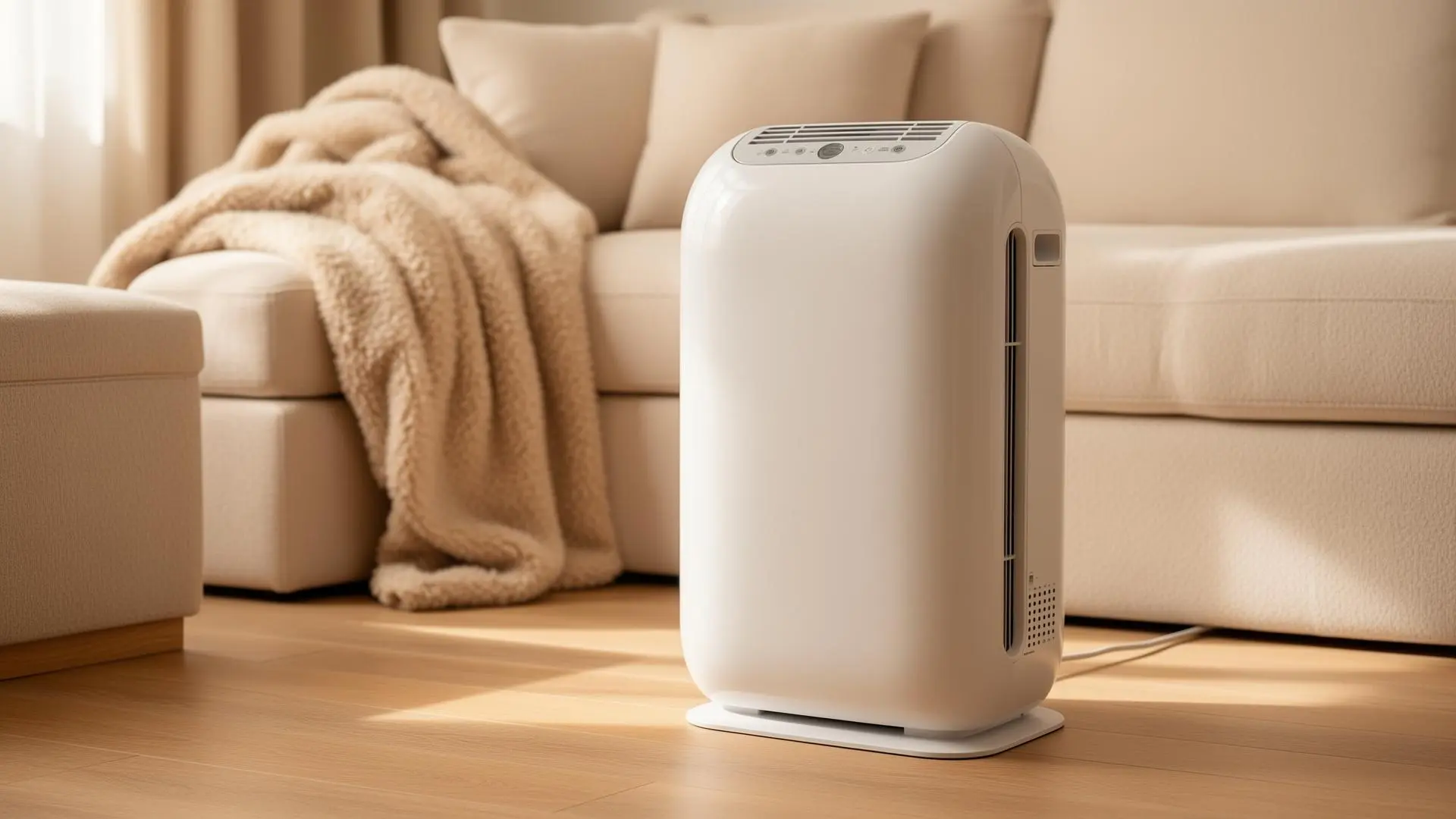


The challenge of maintaining warmth in an expansive living area or a room with high ceilings is a common issue for many homeowners. Central heating systems often fail to distribute heat evenly across large square footage. This failure leaves cold pockets in corners and drafty areas near windows.
A high power space heater serves as an essential tool for supplemental warmth. It allows the main thermostat to remain at a lower setting while specific occupied zones stay comfortable. Selecting the best space heater for a large room requires a deep understanding of how air moves and how different technologies convert electricity into heat.
Most shoppers believe that simply choosing the highest wattage available will solve their heating problems. However, almost all portable electric heaters in the United States are limited to 1,500 watts. This limitation is due to the constraints of standard 120-volt household circuits.
Since every heater draws roughly the same amount of power, the real difference lies in the method of heat distribution. Some units excel at warming the air itself while others focus on heating the objects and people within the space.
Table of Contents
Quick Answer Section
For readers seeking an immediate recommendation, several models stand out based on technical testing and user feedback for large areas. The Vornado AVH10 is widely considered the best for whole room circulation because of its specialized fan design. The Dr. Infrared DR-968 is the top choice for large drafty spaces up to 1,000 square feet due to its dual heating system. For those prioritizing quiet operation in a bedroom or office, the Dreo Solaris Slim H3 offers powerful output with minimal noise.
| Category | Recommended Model | Heating Method | Key Advantage |
| Best Overall | Vornado AVH10 | Forced Air (Vortex) | Superior air circulation |
| Best for Large Spaces | Dr. Infrared DR-968 | Dual (Infrared + PTC) | Heats up to 1,000 sq. ft. |
| Best Value Tower | Dreo Solaris Slim H3 | Ceramic Convection | Whisper quiet at 37.5 dB |
| Best Direct Heat | Honeywell HCE322V | Ceramic Fan | Intense heat for cold spots |
| Best Oil-Filled | DeLonghi Dragon 4 | Radiant/Convection | Silent, long-lasting warmth |
The Mechanics of Heating Large Volumes
Large rooms present a unique set of thermal challenges compared to small bedrooms or offices. The primary issue is the volume of air that must be processed. A room that measures 20 feet by 20 feet with a standard 8 foot ceiling contains 3,200 cubic feet of air. If that same room has a vaulted ceiling reaching 15 feet, the volume increases significantly. This extra volume requires more energy to reach a comfortable temperature.
Thermal stratification is another major obstacle in large rooms. Warm air is less dense than cool air. This physical property causes heat to rise toward the ceiling. In rooms with high ceilings, the air near the top can be ten degrees warmer than the air near the floor. This creates a situation where the occupants feel cold even if the heater is running at full power. Effective large room heaters must use air circulation or radiant energy to break up these layers of air.
Understanding Wattage and Voltage Limits
Every high power space heater in the domestic market operates under strict electrical standards. Most residential outlets are on a 15-amp or 20-amp circuit. To prevent fires and tripped breakers, the National Electric Code limits portable appliances to a continuous draw of 1,500 watts on a standard 15-amp circuit.
| Electrical Metric | Typical Value | Importance for Heaters |
| Voltage (V) | 120V | Standard pressure of US home electricity |
| Amperage (A) | 12.5A | The current drawn by a 1,500W heater |
| Wattage (W) | 1,500W | The maximum power output for most portables |
| BTUs | ~5,118 | The heat energy produced by 1,500 watts |
Because the power input is fixed, the “best” heater is not the one with more watts. It is the one that converts those watts into usable warmth most effectively. Some heaters use high-speed fans to throw air across a room. Others use large surface areas to radiate heat silently. The efficiency of these units is generally considered 100 percent because all electricity is converted into heat. However, the perceived efficiency depends on where that heat goes.
Technical Evaluation of Heating Technologies
Selecting the right technology for a large room depends on the room’s insulation and layout. Ceramic, infrared, and oil-filled heaters each offer different benefits. A detailed analysis of these methods reveals which is best for specific large-room scenarios.
Ceramic Fan-Forced Heaters
Ceramic heaters use an internal element that warms up quickly when electricity passes through it. A fan then blows air over the element to distribute warmth. These are popular for large rooms because they provide immediate relief. The fan allows the unit to push warm air further than a radiant heater could.
The Vornado AVH10 is a prime example of advanced fan-forced technology. It uses “vortex action” to move air throughout the entire room. In technical tests, this model increased the average room temperature by 6.3 degrees. This was the highest score among all tested units. The air circulation ensures that the warmth does not simply pool around the unit. Instead, it moves along the walls and floor to create a consistent temperature.
Infrared and Radiant Heating
Infrared heaters work differently than convection heaters. They emit electromagnetic waves that warm objects directly. This is similar to the way the sun warms your skin on a cold day. These heaters are excellent for drafty large rooms or spaces with high ceilings. Because they do not rely on heating the air, the warmth is not lost as easily through drafts or rising to the ceiling.
The Dr. Infrared DR-968 is often cited as the best infrared option for large rooms. It uses a dual system that combines infrared tubes with a ceramic component. This allows it to heat both the people in the room and the air itself. Users frequently report that infrared heat feels more natural and does not dry out the air as much as fan heaters.
Oil-Filled Radiators
Oil-filled radiators are often the best choice for long term heating in a large bedroom or home office. These units consist of metal fins filled with diathermic oil. An electrical element heats the oil, which then circulates through the fins. The metal surface radiates heat into the room through natural convection.
The primary advantage of oil-filled units is their silent operation. Since they have no fans, they do not create noise that might disrupt sleep or work calls. They also provide very even heat. They continue to radiate warmth for a long time after the thermostat turns off the power. However, they take much longer to warm up a room from a cold start. It may take 20 to 30 minutes before the full heat output is felt.
| Technology Type | Best Use Case | Warm-Up Speed | Noise Level |
| Ceramic Fan | Quick heat for medium rooms | Fast | Moderate |
| Infrared | Drafty or vaulted spaces | Immediate | Low/None |
| Oil-Filled | Steady, overnight heating | Slow | Silent |
| Micathermic | Wall-mounted slim spaces | Moderate | Silent |
Solving the High Ceiling and Vaulted Room Problem
Large rooms with high ceilings are notoriously difficult to heat. The warmth produced by a space heater naturally travels upward. This leaves the living area near the floor cold. Homeowners have found several practical ways to address this issue without spending thousands of dollars on HVAC upgrades.
The most effective solution involves using a ceiling fan in “winter mode.” Most ceiling fans have a switch that reverses the direction of the blades. In the winter, the fan should spin clockwise at a low speed. This direction creates an updraft. It pulls cool air from the floor toward the ceiling. This action forces the warm air trapped at the top of the room to move down the walls and back into the living space.
If a ceiling fan is not available, using a circulator fan can help. A high-quality fan aimed at the ceiling or a corner can break up the layers of stratified air. This mixing process ensures that the heat from the space heater is distributed throughout the room volume rather than just staying at the top.
Deep Product Analysis: Top Performers for Large Areas
Vornado AVH10 Whole Room Heater
The Vornado AVH10 is designed for those who want every corner of a large room to feel warm. It does not just blow heat in one direction. It creates a vortex of air that constantly moves the atmosphere in the room.
Technical testing confirms its effectiveness. It scored a 9.5 out of 10 for consistent warmth. This means it maintains a very steady temperature without the large swings often seen in cheaper models. It also features an “Auto Climate” mode. This setting automatically adjusts the fan speed and heat output to maintain the user’s desired temperature.
One minor drawback noted in testing is its direct heat performance. Because it is designed to circulate air, it does not feel as intense if you are standing right in front of it. It is a “whole room” solution rather than a “personal” heater. It also features a safety light and a hidden cord storage compartment in the base.
Dr. Infrared Heater Portable (DR-968)
The Dr. Infrared DR-968 is a heavy-duty option often recommended for living rooms and finished basements. It is rated to heat rooms up to 1,000 square feet. The unit is housed in a wooden cabinet that remains cool to the touch. This makes it a very safe choice for households with active pets or small children.
The dual heating system is the key to its success. It uses a quartz infrared tube to provide radiant warmth and a PTC ceramic element to warm the air. Users appreciate that it runs quietly compared to standard fan heaters. It includes a remote control and a 12-hour timer. The built-in thermostat is known for its accuracy. A washable air filter helps keep the internal components clean, which can extend the life of the heater.
Dreo Solaris Slim H3
Dreo has become a major competitor in the space heater market by offering sleek designs and quiet operation. The Solaris Slim H3 is a tower heater that uses ceramic technology. It is highly rated for large rooms because of its 70-degree oscillation.
In laboratory testing, the Dreo was found to be exceptionally quiet. It produced only 37.5 decibels of noise while running. For comparison, a normal conversation is about 60 decibels. This makes it an ideal pick for a master bedroom or a home office. It features an easy-to-read LED display and a 12-hour timer. Safety is a major focus for this model. It includes tip-over protection, overheat shut-off, and a child lock.
Lasko FH500 All-Season Tower
The Lasko FH500 is a unique hybrid unit. It stands over three feet tall and serves as both a high-power space heater and a cooling fan. This dual functionality is helpful for large rooms because it eliminates the need for two separate appliances.
The height of the tower is an advantage for heat distribution. It can blow warm air at a higher level than floor-seated units. This helps the heat spread further across the room. In performance tests, it raised the temperature of a 150 square foot room by 10 degrees very evenly. It includes a remote control that can be stored on the back of the unit. One downside is that the controls can be slightly confusing for first-time users.
DeLonghi Dragon 4 Oil-Filled Radiator
For those who want silent, background heat in a large space, the DeLonghi Dragon 4 is a top-tier choice. It features a specialized fin design that increases the radiant surface area. This allows it to move heat more effectively than standard budget radiators.
The Dragon 4 is famous for its “Comfort Temp” button. This feature automatically maintains the most efficient temperature setting for the room. It is a very durable unit with a fully sealed system that never needs oil changes. It is heavier than ceramic heaters, but it includes large wheels and a sturdy handle for moving it between rooms.
Comprehensive Safety Protocols for High Power Heaters
Safety is the most critical consideration when using a 1,500-watt appliance. These heaters draw a massive amount of current. Improper use is a leading cause of home fires and electrical injuries.
The Danger of Extension Cords
The most common mistake people make is plugging a space heater into an extension cord or a power strip. Most household extension cords are not thick enough to handle 15 amps of continuous power. This causes the cord to overheat and can melt the insulation. A space heater should always be plugged directly into a wall outlet. Furthermore, no other high-power devices should be plugged into the same outlet. This prevents overloading the circuit and causing a fire inside the wall.
Placement and Clearance
The “three-foot rule” is a standard safety guideline for space heaters. A heater must have at least three feet of empty space on all sides. This is especially important for the front of the unit where the heat is most intense. Flammable materials like curtains, furniture, bedding, and papers can catch fire if they are too close to the heat source.
| Safety Feature | Function | Why it Matters |
| Tip-Over Switch | Shuts off the unit if it falls | Prevents fires if bumped by pets or kids |
| Overheat Protection | Sensors detect dangerous internal heat | Prevents the unit from melting or igniting |
| Cool-Touch Housing | Keeps the exterior plastic or wood cool | Prevents burns upon accidental contact |
| ALCI Plug | Safety plug for wet environments | Essential for heaters used near water |
| UL/ETL Listing | Certification from independent labs | Ensures the product meets strict safety codes |
Real-World Safety Observations
Technical testers often perform an “overheat sheet test.” This involves covering the heater with a cloth to see if the safety sensors work. In these tests, some heaters shut off in as little as 10 seconds. However, the front grille of some models can reach 250 degrees Fahrenheit during operation. This is hot enough to cause severe burns almost instantly. High power picks like the Vornado AVH10 performed better in these tests. The AVH10 grille temperature remained at a safer 120 degrees.
Analyzing Energy Consumption and Monthly Costs
One of the primary concerns for homeowners is the impact of a space heater on their electric bill. A large room heater running at 1,500 watts uses 1.5 kilowatt-hours (kWh) for every hour it is active.
The cost of running a heater varies significantly by location. In 2021, the average cost to run a space heater for eight hours a day was estimated at over $50 per month in many states. This cost is likely higher now due to rising energy prices.
| State | Avg Electricity Rate (2021) | Monthly Cost (8 hrs/day) |
| California | ~23 cents/kWh | ~$82.80 |
| New York | ~20 cents/kWh | ~$72.00 |
| Texas | ~12 cents/kWh | ~$43.20 |
| Colorado | ~13 cents/kWh | ~$46.80 |
Strategies for Energy Efficiency
To keep costs manageable, it is best to use a heater with a smart thermostat or an “Eco Mode”. These features allow the heater to cycle on and off once the target temperature is reached. This is much more efficient than leaving a heater on “High” for hours.
Energy saving technology like DeLonghi’s “ECO Plus” or Vornado’s “Energy Sync” can help monitor consumption. These modes select the ideal power level based on how cold the room is. If the room is only a few degrees below the target, the heater may run at 750 watts instead of 1,500. This saves significant money over the course of a winter.
Real-World User Sentiment and Common Pain Points
Experienced users often share insights that are not found on a product’s box. These anecdotal observations provide a clearer picture of how these heaters perform over time in large rooms.
The “Dry Air” Problem
Many users complain that fan-forced heaters make the air feel very dry. This can lead to static electricity, dry skin, and respiratory discomfort. In large rooms where a heater may run for several hours, this effect is magnified. To combat this, some high-power units like the Dr. Infrared DR-998 now include a built-in humidifier.
Noise and Distraction
In a large living room, a noisy heater can make it difficult to hear the television or hold a conversation. User discussions frequently highlight the difference in noise levels between brands. Lasko tower heaters are generally praised for their even heat but some models are noted for having a “wobble” that can cause annoying vibrations on hard floors. Dreo and Vornado models are typically the top choices for those who prioritize a quiet environment.
Durability and Reliability
Reliability is a major concern for those who rely on a heater as their primary source of warmth in a room. Some budget models from big-box stores have received complaints about failing after just one season. Brands like Vornado and Lasko often offer three to five-year warranties. This provides peace of mind for buyers looking for a long-term investment. Vornado is particularly noted for its high-quality build and “no BS” warranty service.
Calculating the Power Needed for Your Room
A simple rule of thumb for heating is 10 watts of power for every square foot of space. This assumes a standard ceiling height and average insulation.
| Room Size (Sq. Ft.) | Wattage Required | Recommended Heater Type |
| 150 | 1,500W | Ceramic Fan |
| 200 – 300 | 1,500W (Oscillating) | Tower or Vortex |
| 400 – 600 | 1,500W (High Mass) | Infrared or Oil-Filled |
| 1,000+ | 1,500W (Supplemental) | Dual Infrared/Ceramic |
If a room has poor insulation or single-pane windows, the power requirement may increase by 25 to 50 percent. In these cases, one heater might not be enough. Using two smaller heaters on different electrical circuits can provide better coverage than one large unit straining at its maximum capacity.
Permanent Alternatives and Upgrades
While portable space heaters are a great short-term solution, some large rooms may benefit from more permanent upgrades. These options are more expensive to install but are significantly cheaper to run in the long term.
Ductless Mini-Splits
A mini-split is a small heat pump that is mounted on a wall. It has an outdoor compressor and an indoor air handler. Mini-splits are incredibly efficient. They do not create heat through resistance. Instead, they “move” heat from the outside air into the house. This technology is often 400 percent efficient. It can be five to ten times cheaper to run than an electric space heater.
Underfloor Heating
For rooms with high ceilings, radiant floor heating is one of the most comfortable options. It places heating elements directly beneath the floor surface. This ensures that the warmth starts at the feet and slowly rises. This is the opposite of a fan heater, which blows heat into the upper half of the room.
Energy Audits and Insulation
Before spending money on more powerful heaters, many experts recommend an energy audit. This process involves identifying where heat is escaping the home. Simple fixes like air sealing gaps around windows or adding insulation to an attic can reduce heating costs by 15 percent. This makes any space heater much more effective because the warmth stays inside the room.
Conclusion and Final Recommendations
Heating a large room effectively requires more than just raw power. It requires a strategy for air circulation and heat retention. For most households, the Vornado AVH10 remains the best overall choice due to its ability to move air across entire room volumes. If the room is particularly drafty or has very high ceilings, the Dr. Infrared DR-968 provides a more effective radiant heat that warms occupants directly.
When using high power picks, safety must be the top priority. Always plug heaters directly into wall outlets and maintain a three-foot clearance from all flammable objects. By combining a high-quality heater with smart practices like reversing ceiling fans and sealing drafts, homeowners can turn a cold, cavernous space into a warm and inviting living area throughout the winter months. Selecting the right heater is not just about staying warm. It is about doing so safely, efficiently, and comfortably.
Frequently Asked Questions
Why does my space heater have a plastic smell?
New heaters often have a “new appliance smell” during the first few hours of use. This is caused by factory oils and protective coatings on the heating elements evaporating. It is usually harmless. It is recommended to run a new heater on high in a well-ventilated garage for an hour before using it in a living space.
Can I leave my space heater on while I sleep?
No, most safety experts and manufacturers strongly advise against running a portable heater while unattended or during sleep. Even with safety features, there is a risk of electrical failure or fire if the unit is knocked over or blocked by bedding. An electric blanket or a heated mattress pad is a safer alternative for nighttime warmth.
Will a space heater dry out my eyes and skin?
Yes, most fan-based heaters reduce the relative humidity in a room as they warm the air. This can cause discomfort. Using a heater with a built-in humidifier or running a separate humidifier alongside the heater can help maintain a comfortable balance.
Is it cheaper to run a space heater or central heat?
This depends on how many rooms you need to heat. If you are only using one large room, a space heater is usually cheaper because you are not paying to heat empty bedrooms or hallways. However, if you are heating more than two or three rooms, the central system is typically more efficient.
Why does my heater keep tripping the circuit breaker?
A 1,500-watt heater pulls a lot of electricity. If other devices like a television, computer, or vacuum are on the same circuit, it will likely overload the breaker. Try plugging the heater into an outlet on a different wall that is not shared with high-power electronics.
Do high power heaters need special maintenance?
Most ceramic and infrared heaters only require occasional dusting of the intake vents. Some models have washable filters that should be cleaned once a month to ensure proper airflow. Oil-filled radiators are completely maintenance-free.
What is the quietest heater for a large room?
Oil-filled radiators like the DeLonghi Dragon 4 are the quietest because they have no moving parts. Among fan-based units, the Dreo Solaris Slim and the Vornado AVH10 are noted for their whisper-quiet operation at lower settings.