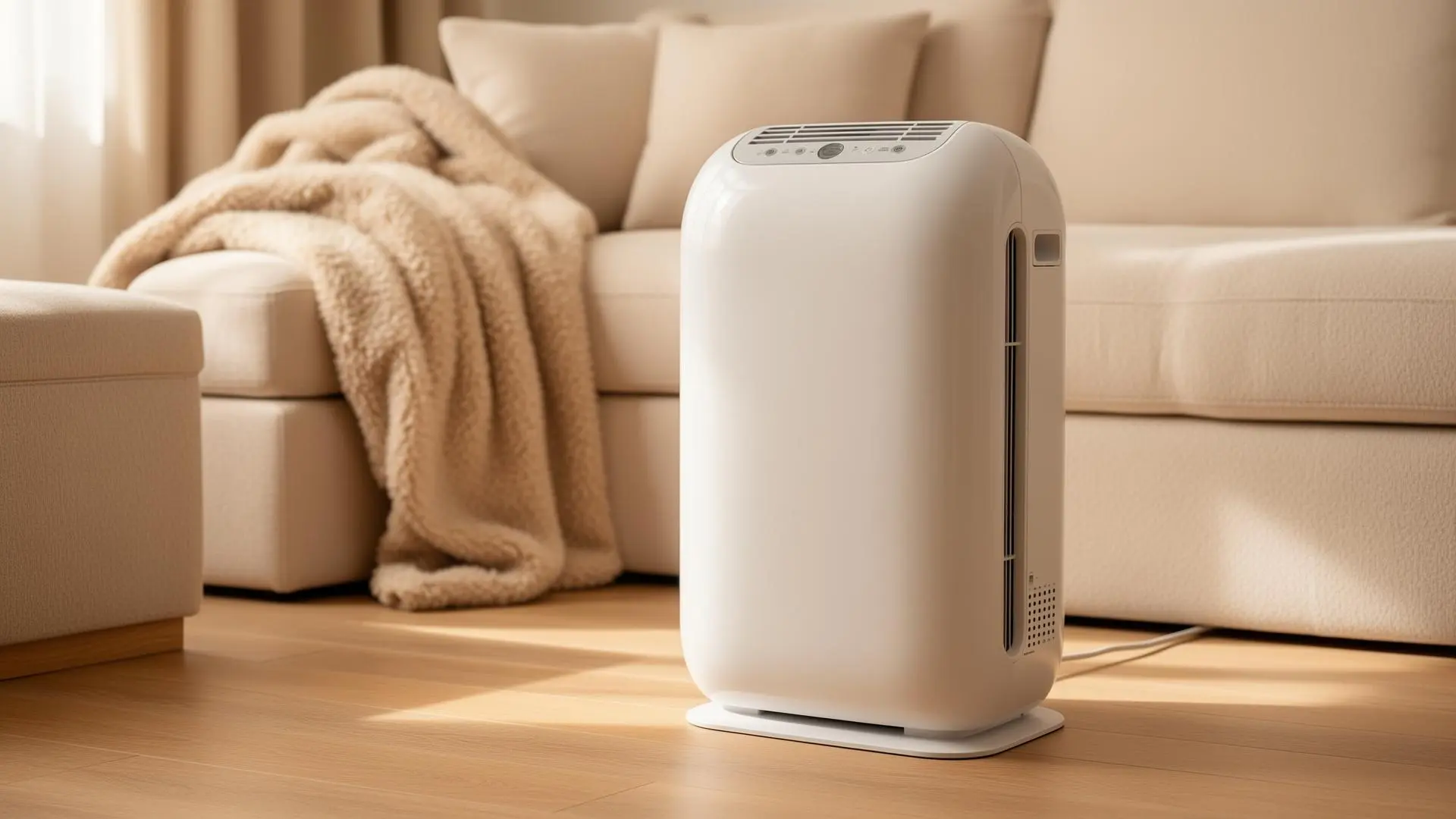


Best Space Heater for Garage in Winter

A garage in winter is a different kind of cold. The concrete stays icy. The big door leaks air. And the moment you open it to grab something, your “warm” garage resets back to the outside temperature.

That is why finding the best space heater for garage in winter is not just about buying the biggest heater you can afford. It is about getting the right type for your space, your power setup, and how you actually use the garage. Some heaters are great for “taking the chill off.” Others can warm a full two-car garage, but only if you size it right and mount it smart. citeturn3search8turn3search1

In this roundup, I focused on what real buyers care about. Fast warm-up. Consistent temperature. Reasonable noise. And fewer surprises like breakers tripping, short-cycling thermostats, or a heater that looks powerful on paper but struggles in a drafty shop. citeturn4search3turn4search2turn6search23

Quick picks summary table

ProductBest forKey strengthQuick link
Dr. Infrared hardwired garage heaterLarge garages and serious coldHigh output with remote-controlled thermostat rangeCheck Price on Amazon
Fahrenheat ceiling-mount unit heaterReliable everyday shop heatSolid ceiling mount design and fan-delay comfortCheck Price on Amazon
King Electric compact unit heaterTough, simple heater for regular useStrong airflow and smart limit protectionCheck Price on Amazon
NewAir hardwired garage heaterClean-looking permanent installCompact unit that fits well in busy garagesCheck Price on Amazon
Dr. Infrared portable industrial shop heaterBig heat, but portable240V portable power with wide thermostat rangeCheck Price on Amazon
Comfort Zone ceiling-mount electric heaterBudget-friendly ceiling mountStrong value for insulated garagesCheck Price on Amazon
Heat Storm Phoenix infrared wall heaterSmall insulated garage or work cornerWall mount plus Wi‑Fi schedulingCheck Price on Amazon
Mr. Heater Big Buddy propane radiant heaterHeat without electricityPortable radiant heat with safety shutoffsCheck Price on Amazon
Dyna-Glo forced-air propane heaterVery large, ventilated garagesFast blast heat when you need it nowCheck Price on Amazon
De’Longhi oil-filled radiator heaterQuiet, steady background warmthSilent heat that is easy to live withCheck Price on Amazon

Short buying snapshot

To build this list, I looked at three things that matter most in a real garage.

First, I checked heat output and power requirements. A typical 120V, 1500W heater is only about 5,100 BTU/hr, which is fine for a small room but can feel weak in a drafty garage. Meanwhile, 5000W at 240V is around 17,060 BTU/hr, which is a noticeable jump for workshops and garages. citeturn3search8turn0search17turn2search17

Second, I weighed installation style. Hardwired ceiling units get up and out of the way, but they often need a dedicated 240V circuit. Portable 240V shop heaters are great if you already have the right outlet. citeturn2search17turn2search0

Third, I paid close attention to what owners repeatedly complain about. Thermostats that cycle strangely. Fans that feel louder than expected. And the common disappointment of expecting “whole garage heat” from a small 1500W unit. citeturn4search3turn5search6turn4search10

Individual product reviews

Dr. Infrared hardwired garage heater

Why it stands out: If you want one heater that can actually keep up with real winter, this is the kind of 240V, high-output unit most people end up happiest with. It is built for garages and shops, and it includes a remote-controlled thermostat so you can dial in comfort without climbing a ladder. citeturn0search0turn0search28

Key features: It runs on 240V and is designed for wall or ceiling mounting. The thermostat range is commonly listed around 50°F to 85°F, and it has adjustable louvers so you can aim airflow where you work. citeturn0search0turn0search24

Performance insight: In a garage, warm air loves to sit at the ceiling. This is where a strong fan and directional louvers matter. Point it slightly down and across the work area, not straight down in one spot, and the space feels more evenly warmed. citeturn0search0

Real-world use case: Great for a two-car garage gym, a woodworking shop, or a workspace where your hands need to stay warm for long stretches.

One limitation: It is hardwired and 240V. Many buyers end up hiring an electrician if they do not already have the right circuit.

Soft CTA: If you want a serious “set it and forget it” option, check latest price on Amazon. citeturn0search0

Fahrenheat ceiling-mount unit heater

Why it stands out: This is one of those classic ceiling-mount garage heaters that people buy because it is straightforward and built for shop use. The thermostat range is wide, and the fan behavior is designed to avoid that annoying “cold draft” feeling right after it kicks on. citeturn0search21turn6search19

Key features: Built-in thermostat commonly listed around 45°F to 135°F, ceiling-mount bracket, and a fan-delay system that waits until the elements warm up before blowing air. citeturn0search21turn6search19

Performance insight: When these unit heaters are mounted correctly, they do a nice job of keeping the whole space usable, not just warming your toes. They work best when you let them maintain a steady temperature instead of trying to go from freezing to warm in five minutes. citeturn6search23turn6search19

Real-world use case: Solid pick for a regular hobby shop. Also good if you want to keep an attached garage above a certain temperature to protect tools, paints, and batteries.

One limitation: Some owners report thermostat issues over time, including odd cycling and failures that lead them to switch to an external thermostat setup. citeturn4search3turn6search3

Soft CTA: If you like proven ceiling-mount heat, view on Amazon and see today’s deal.

King Electric compact unit heater

Why it stands out: King’s unit heaters have a reputation for being more “commercial-feeling” than many budget models. This one is compact, wall or ceiling mountable, and pushes strong airflow around 385 CFM, which helps in a garage where heat stratifies up high. citeturn0search2turn0search6

Key features: Wall or ceiling mounting, strong airflow, and smart limit protection that shuts the unit down if it overheats and then resets when temperatures return to normal. citeturn0search2

Performance insight: This is a good example of “simple controls, steady results.” In garages, that is a win. You can set it, let it cycle, and focus on your project. citeturn5search5turn0search2

Real-world use case: Great for people who work in the garage several evenings a week and want reliable heat without extra app features.

One limitation: Like most 240V unit heaters, installation can be the biggest hurdle. Make sure your wiring and breaker setup match what the heater needs.

Soft CTA: If you want a tough, compact garage unit, check latest price on Amazon. citeturn0search6turn0search2

NewAir hardwired garage heater

Why it stands out: This is a popular “clean install” heater for garages. It is made to be mounted out of the way, and buyers often like the compact footprint for crowded workspaces. citeturn2search17turn4search2

Key features: Hardwired 240V installation and often marketed for about 500 sq ft coverage. Some retailers specifically note it is a 240V, 30‑amp unit that may require an electrician to hardwire to a breaker. citeturn2search17turn2search1

Performance insight: Real feedback on these heaters often splits into two camps. People with insulated garages say it heats nicely. People with leaky, uninsulated garages sometimes say it mainly raises the temperature by a chunk, not to “t-shirt warm.” That gap is usually about insulation and air leaks, not the heater being broken. citeturn4search10turn4search2

Real-world use case: Great if you want an overhead heater for a one-car garage or a dedicated work zone.

One limitation: A small number of owners report failures or overheating incidents, which is a reminder to keep the unit clean, ensure proper clearances, and not ignore odd noises or fan problems. citeturn4search22

Soft CTA: If a compact hardwired heater fits your garage plan, check latest price on Amazon. citeturn2search17

Dr. Infrared portable industrial shop heater

Why it stands out: Sometimes you want big heat without committing to a ceiling install. This style of 240V portable shop heater is perfect for that. It is aimed at garages, workshops, basements, and jobsites, and it is built to move. citeturn2search4turn2search20

Key features: 240V class heater around 5600W, with an adjustable thermostat commonly listed from about 37°F to 113°F. It is also designed with portability in mind, and some listings mention wall or ceiling mounting options too. citeturn2search0turn2search4

Performance insight: This is a heater I like for “weekend garage people.” You can roll it out when you need it, point it at the work area, then store it when you are done. It also recovers fast after you open the garage door. citeturn2search0

Real-world use case: Great for heating the area around a workbench, or for a garage that is used for projects but not heated all day.

One limitation: You need the right 240V outlet and circuit. If you only have standard 120V outlets in your garage, this becomes a bigger project.

Soft CTA: If portable 240V heat sounds right, view on Amazon and check the current price. citeturn2search0

Comfort Zone ceiling-mount electric heater

Why it stands out: This is one of the better-known budget-friendly ceiling mount options. It is popular because it delivers the classic 5000W garage-heater format without a premium price. citeturn1search16turn5search6

Key features: 240V hardwired install, around 5000W with roughly 17,065 BTU output, plus overheat protection. citeturn1search16turn1search24

Performance insight: When people say this heater “works great,” it is usually in an insulated garage, or when the goal is to keep the space comfortably usable, not tropical. That matches what you should expect from any 5kW ceiling unit. citeturn5search6turn1search16

Real-world use case: Good for a one-car garage, a standard work shed, or a workshop where you want a permanent overhead heater and solid value.

One limitation: Some buyers mention the fan could be stronger and the thermostat can be inconsistent. If you are picky about temperature control, that matters. citeturn5search6

Soft CTA: If you want value and ceiling-mounted convenience, check latest price on Amazon. citeturn1search16

Heat Storm Phoenix infrared wall heater

Why it stands out: This is for smaller garages or for people who only need a warm work corner. The big advantage is wall mounting and smart control. You can schedule it, turn it on from your phone, and keep floor space clear. citeturn1search6turn1search2

Key features: 1500W infrared wall unit with Wi‑Fi control. Official specs often list it as a 1500W, 5200 BTU heater. citeturn1search6turn1search2

Performance insight: Infrared is a different feel. It is best when you are near it, like working at a bench. It is not the best choice for heating a big drafty two-car garage end-to-end.

Real-world use case: A small insulated garage gym, a workbench zone, or a hobby space where you want a little warmth without running a 240V circuit.

One limitation: Power connection rules matter here. The manual guidance is clear about plugging directly into a wall outlet and not using extension cords or surge protectors. citeturn6search0

Soft CTA: If smart scheduling and wall mounting sound helpful, check latest price on Amazon. citeturn1search6

Mr. Heater Big Buddy propane radiant heater

Why it stands out: If your garage has no power, or you want heat during outages, this is a classic. It is portable, radiant, and throws strong heat where you point it. It also includes safety features like an oxygen depletion sensor and a tip-over shutoff. citeturn0search11turn0search19

Key features: Multiple heat settings (often advertised as 4,000 to 18,000 BTU/hr) and built-in safety shutoffs like ODS and tip-over. citeturn0search11turn0search3

Performance insight: Radiant propane heat is very satisfying when you are standing near it. It can feel warmer than electric forced air at the same “room temperature,” because it heats you directly.

Real-world use case: Great for a detached garage, a jobsite-style garage setup, or a space where you just need warmth while you wrench on a car for an hour.

One limitation: This is an unvented heater. It uses oxygen from the space and requires adequate ventilation air. That is not optional, especially in a closed garage. citeturn6search2turn6search14

Soft CTA: If you want real heat without wiring, view on Amazon and check the latest price. citeturn0search11

Dyna-Glo forced-air propane heater

Why it stands out: Sometimes you need fast heat, right now. Forced-air propane heaters are the “blast furnace” option for garages. They are loud, but they can warm a large area quickly, especially in larger or more open spaces. citeturn1search7turn1search19

Key features: Models in this class are often marketed around 60,000 BTU and sometimes claim coverage up to about 1,350 sq ft. Many include safety items like overheat shutoff and come with a hose and regulator. citeturn1search7turn1search19

Performance insight: This is the type of heater people use when they open the garage often. Or when they are trying to warm equipment fast. It is not “background heat.” It is “get warm, keep moving.”

Real-world use case: A large, ventilated garage, a workshop with big air volume, or a space where quick recovery matters more than quiet.

One limitation: Safety and ventilation matter a lot. The manual language for this style of heater warns that improper use can cause serious injury or death, including carbon monoxide poisoning, and stresses that adequate ventilation is crucial. citeturn6search25turn6search13

Soft CTA: If you need fast heat for a big space, check latest price on Amazon. citeturn1search7

De’Longhi oil-filled radiator heater

Why it stands out: If noise drives you crazy, oil-filled radiators are the calm option. They are slow and steady. People use them to keep a garage “not freezing,” so tools and stored items stay happier.

Key features: 1500W class heater, with models commonly listed around 5120 BTU output. The controls typically include an adjustable thermostat and multiple heat settings. citeturn2search19turn2search11

Performance insight: This is not the heater that suddenly turns your garage into a warm living room. But it is great for steady background heat while you work, especially if your garage is insulated and you are not constantly opening the door.

Real-world use case: A small insulated garage office, a home gym in a converted space, or a workshop where you want quiet heat you can leave running while you move around.

One limitation: Like any 1500W heater, it has limits in a big drafty garage. If your space is large and leaky, you will want 240V heat or a stronger approach. citeturn3search8turn2search19

Soft CTA: If quiet, steady warmth fits your garage, check latest price on Amazon. citeturn2search19

Buying guide

Choosing the best space heater for garage in winter gets easier when you stop thinking like you are heating a bedroom and start thinking like you are heating a semi-outdoor space.

Start with the reality of your garage

A garage usually has at least one “weak point.” The big door. Gaps around the side door. Thin insulation. Or a cold concrete slab that pulls heat out of the air. If you heat a garage like this, your heater is constantly replacing heat that is escaping.

A common mistake is expecting a small 1500W heater to heat a two-car garage. It can help near your feet or near a bench, but it cannot change the whole air mass fast enough in a big, drafty space. The math explains why. 1500W is only about 5,118 BTU/hr. citeturn3search8

Pick a power level that matches your comfort goal

Ask yourself a simple question.

Do you want to maintain a usable temperature all winter?
Or do you just want to warm up the space while you work?

If you want “maintain,” a 240V ceiling mount unit in the 5000W to 7500W class is usually the sweet spot for typical garages, assuming reasonable insulation. citeturn0search0turn0search17turn2search17

If you want “warm while you work,” a portable 240V shop heater can be perfect, because you can aim it at the work area and get faster payoff. citeturn2search0turn2search4

If you only need a warm corner, a wall-mounted 1500W infrared heater can work, but it is about zone comfort, not whole-garage comfort. citeturn1search6turn1search2

Understand the “240V moment” before you buy

Lots of buyers realize this late. A 240V garage heater often means hardwiring, a dedicated breaker, and sometimes an electrician. Some product listings are very direct about this, and it is worth taking seriously. citeturn2search17turn2search9

If you already have a 240V outlet in the garage, a portable 240V heater is the easiest path to strong heat. If you do not, you might want to price out the electrical work before you fall in love with a heater.

Heat type matters more than most people think

Fan-forced electric unit heaters are the most common for garages because they heat the room air and mix it around. They work well when mounted high and aimed properly. They will make noise, though. That fan sound is part of the package.

Infrared heaters focus warmth on people and objects. They are great at a bench. They are not great at warming every corner of a large garage. citeturn1search6turn1search2

Propane radiant heaters can feel wonderfully warm, but you must respect ventilation and indoor air quality. Unvented propane heaters use oxygen from the space, and adequate combustion and ventilation air must be provided. citeturn6search2turn6search14

Forced-air propane construction heaters bring huge heat fast, but they are not “casual indoor heaters.” Manuals for this style explicitly warn about carbon monoxide risk and the need for adequate ventilation. citeturn6search25turn6search13

If you are using any combustion heater, it helps to understand the CO risk clearly. Carbon monoxide is colorless and odorless, and it can kill. CDC and EPA guidance focuses on prevention and proper use of fuel-burning appliances. citeturn3search5turn3search9

Thermostat placement and cycling is a real garage issue

In a garage, the ceiling can be much warmer than the floor. If the thermostat sensor is up at the unit, it may “think” the garage is warmer than your workbench area. This is why some people complain that a heater cycles oddly or does not hold comfort where they stand. citeturn4search3turn5search6

If you see repeated talk about short cycling, overheating limits, or inconsistent control, it is usually a mix of thermostat placement, airflow issues, and dust buildup. Cleaning and correct mounting height help. citeturn4search3turn6search23

Safety features to prioritize in a garage

Garages have stuff that regular rooms do not. Gas cans. Solvents. Sawdust. Oily rags. That changes the safety equation.

For electric heaters, look for overheat protection and solid build quality. Many models highlight thermal cutoffs or overheat sensors for this reason. citeturn1search16turn0search2

For propane heaters, prioritize built-in shutoffs like ODS and tip-over protection. citeturn0search11turn0search19

Also, follow basic space heater fire safety habits. Safety agencies regularly warn about heating equipment hazards, especially fire risk and carbon monoxide concerns tied to certain equipment types. citeturn3search1turn3search5

Energy efficiency tips that actually work

A garage heater can get expensive if you treat it like central heat. The easiest savings usually come from changing how you run it.

Use the thermostat to maintain a baseline temperature rather than doing repeated “freeze to hot” cycles. It is often cheaper and feels better.

If you want to estimate cost, the common method is simple: watts ÷ 1000 × your electric rate = cost per hour if it ran nonstop. Some manufacturers even show this exact approach. citeturn5search29

Also, fix air leaks. Add weatherstripping. Insulate the garage door if you have not. A better heater is great, but a less leaky garage is the real upgrade.

Who should buy these heaters and common mistakes to avoid

If you spend real time in the garage in winter, a purpose-built garage heater makes sense. That includes people who lift weights in the garage, work on cars, do woodworking, or just want a usable space year-round.

If your garage is small and insulated, you can absolutely make a 1500W unit work for a zone. It is the easiest setup, and it is often enough to stay comfortable at a bench. citeturn1search6turn6search0

If your garage is medium to large, or uninsulated, most people end up happier moving to 240V. It is not about being fancy. It is about having enough heat output to compete with winter air and cold surfaces. citeturn3search8turn0search17turn2search17

Common mistakes I see buyers make:

  • Buying a 1500W heater expecting it to heat a drafty two-car garage.
  • Ignoring the 240V install reality until the heater arrives. citeturn2search17
  • Mounting a ceiling heater so it blasts heat into the ceiling instead of across the workspace.
  • Using extension cords with heaters that specifically warn against it. citeturn6search0
  • Treating propane heat like “no big deal” in a closed garage. Unvented heaters require ventilation air, and CO risk is real.

Conclusion

If your garage is cold enough that you avoid working out there, you are not alone. The trick is matching the heater to your garage, not to a marketing promise.

For most people trying to heat a real garage in winter, a 240V ceiling-mount or hardwired unit is the most satisfying path. It is the best mix of consistent heat and hands-off comfort. If you want maximum heat output, the Dr. Infrared hardwired unit is a strong top-tier pick. citeturn0search0turn0search28

If you want a cleaner, compact install, NewAir and similar hardwired units can be a good fit, especially in insulated garages. If you want heat without electricity, propane radiant heat can be very effective, but only with smart ventilation habits. citeturn2search17turn6search2

No matter what you choose, the best space heater for garage in winter is the one that fits your power setup, keeps your work area comfortable, and does it safely. If you are close between two models, check the latest price on Amazon and pick the one that matches how you actually use the garage.

FAQ

What is the best space heater for garage in winter if I only have 120V outlets?

A 1500W infrared or oil-filled heater can work for a small insulated garage or a work corner. For a big garage, 240V is usually the real solution. citeturn1search6turn3search8

How many watts do I need to heat a garage in winter?

It depends on insulation and size. As a quick reference, 5000W is about 17,060 BTU/hr, while 1500W is about 5,118 BTU/hr. That gap is why bigger garages struggle with small heaters. citeturn3search8turn0search17

Are ceiling-mounted electric heaters safe for garages?

They can be, especially when installed correctly with clearances and proper wiring. Many models also include overheat protection, which is important in garages. citeturn1search16turn3search1

Can I use a propane heater in my garage during winter?

You can, but you must be careful. Unvented propane heaters use oxygen from the space and require adequate ventilation air. Carbon monoxide risk is a real safety issue. citeturn6search2turn3search5

Why does my garage heater turn on and off so often?

Short cycling is often tied to thermostat placement, airflow, or safety limits. Some owners end up improving results with better placement or an external thermostat setup. citeturn4search3turn5search6

Will a Wi‑Fi heater work in a garage?

Yes, if your garage has decent Wi‑Fi signal and you are heating a smaller zone. Many Wi‑Fi wall heaters are 1500W models, so they are best for insulated spaces or a work corner. citeturn1search6turn1search2

What is the quietest option for a garage?

Oil-filled radiators are among the quietest since there is no fan. They are best for small insulated garages and steady background warmth. citeturn2search11turn2search19

Is the best space heater for garage in winter always a 240V model?

Not always. For small insulated garages, a 120V zone heater can be enough. For larger or leakier spaces, 240V often delivers the comfort people actually expect. citeturn3search8turn2search17