
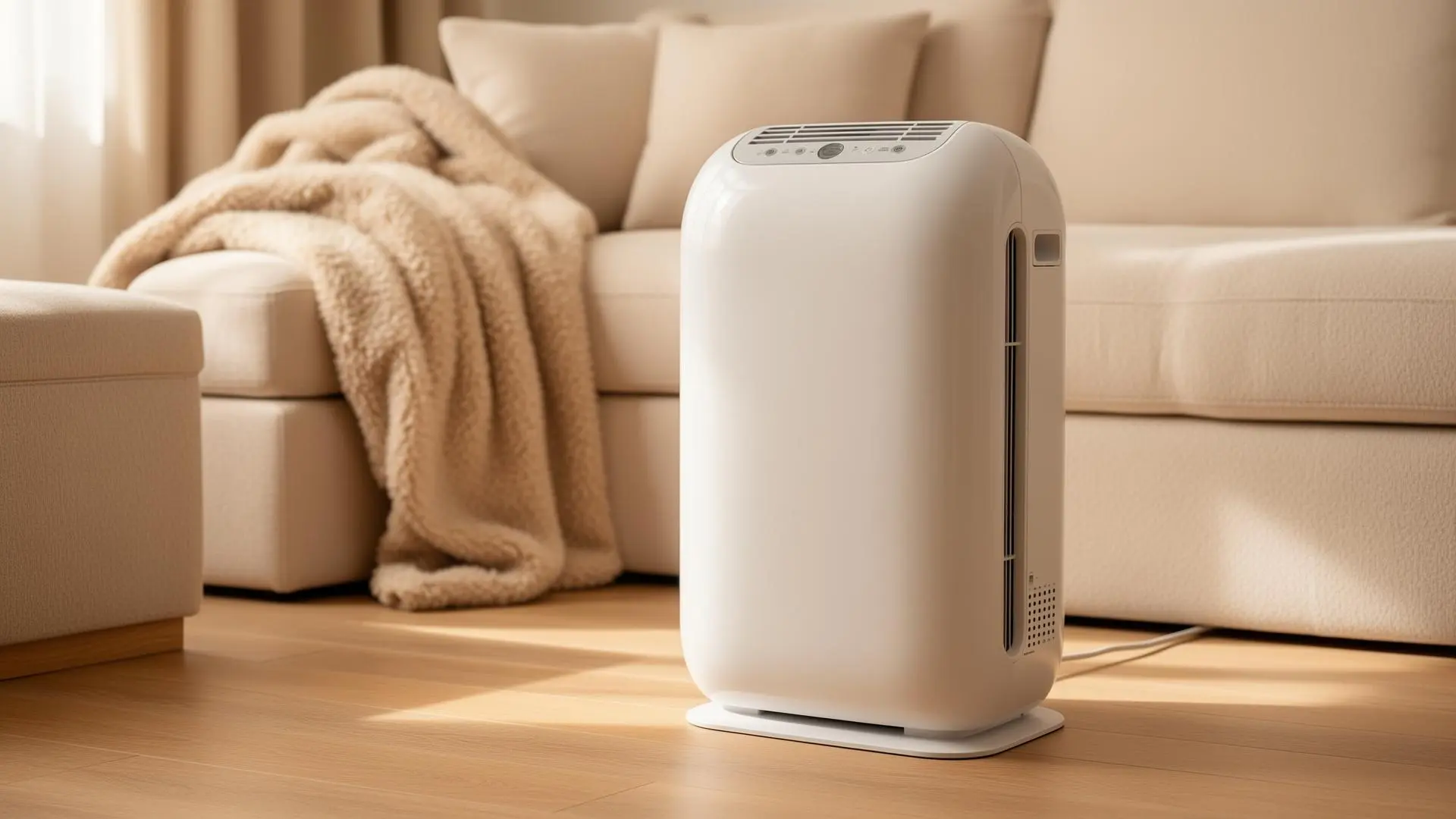


Staying warm in a recreational vehicle when the temperature drops is a challenge that every traveler faces sooner or later. Most people start their journey into cold weather camping with a standard factory furnace, only to find that it is loud, thirsty for propane, and hard on batteries. The quest for the best space heater for RV and camper use is not just about staying cozy.
It is about understanding the delicate balance of electricity, fuel efficiency, and safety in a very small space. This report provides an exhaustive look at the heating options available for mobile living, drawing on technical data and real world user experiences to help owners make an informed choice.
Paid link. As an Amazon Associate, we earn from qualifying purchases at no extra cost to you.
TL;DR
- Staying warm in a recreational vehicle when the temperature drops is a challenge that every traveler faces sooner or later.
- Choose by the room and use case first, then compare wattage, thermostat control, noise, safety features, size and current warranty/model details.
- A higher price does not automatically mean lower electricity use; for electric resistance heaters, runtime and thermostat control matter more than marketing claims.
- Before buying, verify the exact model, safety listing, current price and manufacturer instructions because retailer listings can change.
The unique challenges of heating a mobile space
Heating an RV is much different than heating a traditional house. The walls of a camper are thin. They usually contain very little insulation compared to the four to six inches of fiberglass found in a residential home. Because every square inch in an RV is valuable, manufacturers often sacrifice R-value for space and weight savings. This lack of thermal resistance means that heat escapes quickly through the walls, roof, and floor. It also means that cold surfaces like aluminum frames and single pane windows are prone to moisture issues.
The following table summarizes the typical insulation levels found in different types of mobile structures compared to a standard home.

| Structure Type | Typical Wall Thickness | Common Insulation Material | Estimated R-Value |
| Standard Residential Home | 4 to 6 inches | Fiberglass or Cellulose | R-13 to R-21 |
| Modern Four-Season RV | 1.5 to 2 inches | Block Foam or Fiberglass | R-7 to R-11 |
| Average Travel Trailer | 1 inch | Thin Fiberglass or Foam | R-3 to R-5 |
| Van or Sprinter Conversion | 0.5 to 1 inch | Thinsulate or Sheep Wool | R-3 to R-6 |


Detailed analysis of electric heater types
Electric heaters are popular for campground use because the cost of electricity is often included in the nightly site fee. This makes them much cheaper to operate than the propane furnace. There are four main categories of electric heaters used in RVs: ceramic, oil-filled radiators, infrared, and micathermic.
Ceramic fan-forced heaters
Ceramic heaters are the most common choice for portable heating. They use electricity to heat ceramic plates, which then transfer that heat to the air. A fan blows this warm air into the room. These units are often considered the best space heater for RV and camper users who want instant warmth.
Oil-filled radiant heaters
Oil-filled radiators do not actually burn oil. Instead, an internal element heats diathermic oil that is permanently sealed inside the unit. The oil circulates through metal fins, which then radiate heat into the air.
Infrared and radiant heaters
Infrared heaters work by emitting electromagnetic waves that heat objects and people directly rather than heating the air. This is similar to the feeling of standing in the sun on a cold day. These are excellent for drafty campers because the heat does not blow away when the door is opened.
Micathermic heaters
Micathermic heaters are a hybrid technology. They use mica panels that provide both convection and radiant heat. They are typically very thin and lightweight, making them ideal for wall mounting in a small trailer. They heat up faster than oil radiators but provide a more even warmth than ceramic fans.
Safety risks and electrical hazards
Using a high-wattage appliance in an RV requires a strict focus on safety. Space heaters are a leading cause of home and RV fires during the winter months. The risks in a camper are even higher because of the tight quarters and lightweight electrical components.
The danger of melted outlets and loose wiring
One of the most common mistakes is underestimating the heat generated by a continuous 12.5-amp load. Most RV outlets are “back-stabbed,” meaning the wire is simply pushed into a sharp groove that bites into the copper. Over time, road vibrations and the expansion/contraction of metal from heat can cause these connections to loosen.
A loose connection creates resistance, which creates intense heat. This heat can melt the plastic outlet and the surrounding wall before the circuit breaker ever trips. Many experts recommend replacing these cheap factory outlets with residential-grade receptacles and deep junction boxes.
Proper placement and clearance
A space heater should never be left closer than three feet to any flammable material. In a small camper, this is often difficult to achieve. Curtains, sofa cushions, and bedding can easily catch fire if they drift too close to a heating element. Owners should place the heater on a flat, solid floor surface rather than on a table or carpet.
Extension cord and power strip risks
Plugging a 1,500-watt heater into a standard household extension cord is a significant fire risk. Most cheap extension cords and power strips are not rated for a continuous high-amperage load. They will overheat and can catch fire. Do not use an extension cord as a workaround for a portable electric space heater. Reposition the heater or use a suitable direct connection that follows the heater and RV electrical-system instructions.
Controlling condensation and humidity
Winter camping often leads to “sweating” windows and walls. This happens when warm, moist air inside the RV meets a cold surface that is below the dew point. This moisture can quickly turn into black mold, which is a major health hazard.
Why electric heat is better for humidity
Propane combustion naturally produces water vapor as a byproduct. If a traveler uses an unvented propane heater, they are adding huge amounts of moisture to the air. Electric heaters and vented diesel heaters are often considered the best space heater for RV and camper use because they provide “dry” heat.
The importance of ventilation
Even if an electric heater is used, moisture still builds up from breathing and cooking. The only real way to combat this is through active air exchange. Cracking a roof vent and a window at opposite ends of the rig allows moist air to escape. Many users also rely on compressor-based dehumidifiers to keep the interior dry.
| Moisture Control Strategy | Effectiveness | Main Advantage | Main Drawback |
| Dehumidifier | Very High | Removes water actively | Uses power, noisy |
| Roof Vent / Window | High | Free and simple | Lets cold air in |
| Window Insulation | Moderate | Stops condensation on glass | Blocks the view |
| DampRid / Silica | Low | No power needed | Very slow, fills up fast |
Protecting the underbelly and pipes
A major mistake that many new winter travelers make is relying entirely on a space heater and turning off the main furnace. In many modern campers, the propane furnace is designed to duct warm air into the enclosed underbelly. This heat prevents the water tanks and plumbing lines from freezing.
If a space heater is keeping the living area warm, the furnace thermostat will never turn on. This can lead to frozen and burst pipes underneath the floor. To prevent this, owners should set the furnace to a low temperature (like 55 degrees) to act as a safety backup. Using heated tank pads and installing RV skirting can also help trap heat under the rig.
Choosing the right heater for your rig
Calculating the size of the heater needed is the first step in the buying process. Most experts recommend a ratio of 10 watts per square foot. For a 200 square foot trailer, a 2,000-watt heating solution would be required for extreme cold, although a standard 1,500-watt unit is usually enough for temperatures above 30 degrees.
Brand recommendations and user sentiment
The following models are frequently cited as the best space heater for RV and camper applications based on performance and reliability.
- Vornado VH200: This is widely considered the best overall choice for air circulation. It moves the entire volume of air in a room rather than just blowing heat in one spot.
- Lasko 754200: This small ceramic “cube” is a top choice for those with limited space. It is powerful and very affordable.
- DeLonghi Dragon Digital: This is the preferred choice for sleeping. It is silent and safe for long-term use, providing a “gentle” radiant warmth.
- Dreo Solaris Slim: This tower heater is liked for its digital thermostat and “Eco” mode, which helps manage power consumption in 30-amp rigs.
- Camco Olympian Wave 6: This is the gold standard for off-grid heating. It is silent, fuel-efficient, and lasts for years.
Frequently Asked Questions
Can I run my space heater on high all night?
No portable space heater should be treated as safe to leave running while you sleep or when it is unattended. CPSC recommends turning portable heaters off when sleeping, plugging electric heaters directly into a wall outlet, and keeping them at least three feet from bedding, curtains, furniture, and other combustible materials.
Which heater is best for kids and pets?
Heaters with “cool to the touch” exteriors and automatic tip-over switches are the best for families. Ceramic models and some infrared units are designed to keep the casing cool even during high-heat operation.
Will a space heater dry out the air in my camper?
Any heater that uses a fan to blow air will lower the relative humidity and can cause dry skin or respiratory irritation. Radiant heaters like oil radiators or infrared panels are less likely to dry out the air because they do not move it as aggressively.
How do I know if my shore power can handle a heater?
A 30-amp hookup provides 3,600 watts total. A 1,500-watt heater uses about 40% of that capacity. If the circuit breaker frequently trips, the owner is likely trying to run too many high-draw appliances at once. Monitoring the amperage on an EMS panel is the best way to stay safe.
Is it safe to leave a window cracked in the winter?
Yes, it is actually necessary in an RV. Cracking a window or roof vent allows the moisture generated by breathing and living to escape. This prevents the condensation and mold growth that often ruins campers during the winter.


