
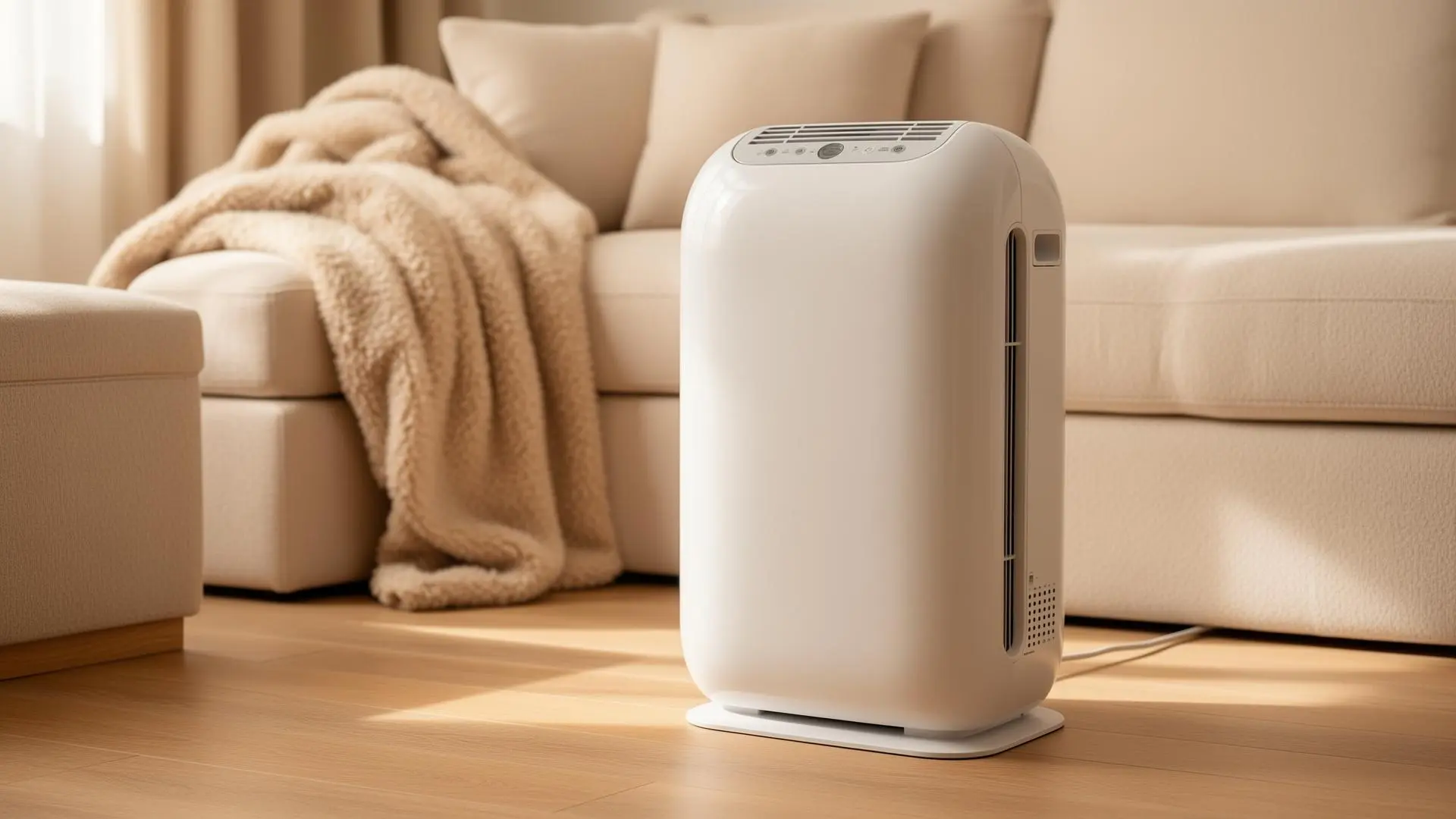


You probably know the feeling of walking into a room that feels like a walk-in freezer. It happens every winter. You crank up your central heating but one specific room stays icy. Maybe it is your home office or a basement bedroom. You realize you need a space heater.
Then you see the options. The debate usually comes down to an oil filled radiator vs ceramic heater. It is a confusing choice. One looks like an old school radiator on wheels. The other is a sleek plastic tower that blows hot air. They both use electricity. They both claim to be efficient. However, they work in completely different ways. If you choose the wrong one, you might end up with a high electric bill and a room that still feels drafty. For a direct side-by-side decision, see Ceramic vs Oil Filled Radiator Which Holds Heat Longer.
I have spent a lot of time testing these units in real world settings. I have felt the dry eyes from fan heaters. I have waited for an oil heater to finally get warm while I shivered. Choosing the right one depends on your specific room and how you live your life.
This guide will break down everything you need to know. We will look at the science of heat and the practical reality of using these heaters every day. We will talk about the noises they make and the smells they produce. By the end, you will know exactly which one to buy for your space.
For a model-specific example within oil-filled and ceramic heaters, see our Comfort Zone CZ8008N Oil-Filled Radiator Review for controls, safety features, heating style, and practical fit.
Paid link. As an Amazon Associate, we earn from qualifying purchases at no extra cost to you.

TL;DR
- If you are in a rush, here is the fast answer. Most people will find that one of these fits their needs much better than the other.
- The better heater depends on whether you value fast direct warmth, steadier whole-room comfort, quiet operation, portability or precise controls.
- For electric resistance heaters with the same wattage, electricity draw while the element is on is broadly similar; comfort and total runtime create the practical differences.
- Match the heater type to the room size, insulation and how long you normally occupy the space.
Quick Verdict: Winner Snapshot
If you are in a rush, here is the fast answer. Most people will find that one of these fits their needs much better than the other. It usually comes down to how long you plan to keep the heater running.
| Category | Winner | Key Deciding Factor |
| Best Overall | Oil Filled Radiator | For long term comfort and silence, it is hard to beat a radiator. |
| Best for Large Rooms | Oil Filled Radiator | It warms the air and objects evenly without creating cold spots. |
| Best Budget Option | Ceramic Heater | These are cheaper to buy and better for quick 30 minute sessions. |
| Best for Personal Space | Ceramic Heater | If you just want to warm your feet under a desk, go ceramic. |
| Best for Bedrooms | Oil Filled Radiator | It is silent and does not blow dry air at your face while you sleep. |
| Winner for Quick Heat | Ceramic Heater | It gets hot in seconds while the oil heater takes 15 minutes. |
The key deciding factor is time. If you need heat for less than two hours, buy a ceramic heater. If you need heat for three hours or more, buy an oil filled radiator.


Side-by-Side Comparison Table
This table compares a standard 1500 watt oil filled radiator with a standard 1500 watt ceramic heater. These are the two most common types you will find on the market today.
| Feature | Oil Filled Radiator | Ceramic Heater |
| Heating Mechanism | Thermal oil and metal fins | Ceramic plates and a fan |
| Heat Distribution | Radiant and natural convection | Forced air convection |
| Standard Wattage | 600W to 1500W | 750W to 1500W |
| Warm-up Time | 10 to 20 minutes | 3 to 60 seconds |
| Heat Retention | Very high (stays warm after off) | Very low (cools instantly) |
| Noise Level | Near silent (occasional clicks) | Audible fan hum |
| Safety Features | Tip-over and overheat protection | Tip-over, overheat, cool-touch |
| Portability | Heavy with wheels | Lightweight with handle |
| Ideal Room Size | 150 to 300 sq. ft. | 100 to 200 sq. ft. |
| Maintenance | Almost none (dusting) | Regular fan/filter cleaning |
Detailed Comparison Sections
Heating Performance
When we talk about performance, we are talking about how a heater actually makes you feel. An oil filled radiator works like a slow-cooked meal. It takes a while to get going. You turn it on and wait. Inside the metal fins is diathermic oil. This oil does not burn. It just gets very hot. The oil transfers heat to the metal fins. Then the fins radiate that heat into the room. It is a gentle process. It warms the air and the objects in the room. This means the walls and furniture eventually stay warm too. It creates a very stable environment. There are no sudden blasts of air. Many people find this type of heat more comfortable because it feels more like a standard home heating system.


Energy Efficiency and Running Costs
Energy efficiency is a big concern for everyone. You do not want to see your electric bill double in the winter. As we mentioned, both heaters are 100 percent efficient at converting electricity into heat. However, how you use them changes how much you pay. In the U.S., electricity averages about $0.16$ to $0.20$ per kWh. A 1500 watt heater running for one hour will cost you roughly $0.24$ to $0.30$.
Noise Level
Noise is one of those things you do not think about until it is 2:00 AM and you cannot sleep. If you are a light sleeper, this is a huge deal. Oil filled radiators are almost completely silent. They do not have fans. They just sit there and glow with heat. This makes them the clear winner for bedrooms or nurseries.
Safety Features
Safety is the first thing I check on any heater. You are essentially putting a high-power electrical device in a room and letting it get very hot. Both types of heaters now come with standard safety features. You should always look for a tip-over switch and overheat protection. A tip-over switch is a little sensor at the bottom. If the heater gets knocked over by a pet or a child, it cuts the power instantly. Overheat protection shuts the unit down if the internal parts get too hot.
Build Quality and Durability
If you buy a heater, you want it to last more than one winter. Oil filled radiators are incredibly durable. They are made of heavy-duty steel. They have very few moving parts. There is no fan motor to burn out. There is no filter to clog. I have seen people use the same oil radiator for over a decade. They are built like tanks. The only thing that usually fails is the electronic thermostat after many years of use.
Design and Portability
Portability is where the ceramic heater wins hands down. Most of them are small towers or little boxes. They often weigh only three to five pounds. They have a handle on top. You can pick it up and move it from the living room to the kitchen with one finger. They are perfect for small apartments where you do not have much floor space. Some are even small enough to sit on a desk or a nightstand.
Ease of Use
Value for Money
Final Verdict
So, which one wins the Oil Filled Radiator vs Ceramic Heater battle? It really depends on your lifestyle. I have found that most people end up needing both. I keep an oil filled radiator in the master bedroom because I love the silent, steady heat for sleeping. But I keep a small ceramic heater in my home office for those chilly mornings when I just need a quick 30-minute blast of warmth to get my day started.
If you can only buy one, look at your primary need. If you want to heat a room for long periods and value silence, go with the oil filled radiator. It is a more comfortable, long-lasting solution that feels like real heating. If you need instant heat for a small spot and want something you can move around easily, the ceramic heater is your best bet.
Before you buy, make sure to check latest price on Amazon. Prices can change quickly depending on the season. Look for brands like Pelonis, Dreo, or De’Longhi, as they have consistently high ratings for safety and reliability. Both of these heaters are great tools for staying cozy. Just make sure you match the heater to the job. You will be much happier (and warmer) all winter long.
Frequently Asked Questions
Is an oil filled radiator safe to leave on overnight?
No portable space heater should be treated as safe to leave running while you sleep or when it is unattended. CPSC recommends turning portable heaters off when sleeping, plugging electric heaters directly into a wall outlet, and keeping them at least three feet from bedding, curtains, furniture, and other combustible materials.
Why does my ceramic heater make the air feel so dry?
Ceramic heaters use fans to blow hot air. This moving air increases the rate of evaporation from your skin and eyes, which makes you feel dry. It does not actually remove moisture from the room, but it lowers the relative humidity significantly as the temperature rises.
How often should I clean my space heater?
For a ceramic heater, you should vacuum the vents and the intake filter every month to prevent dust buildup. This keeps the fan running quietly and prevents that “burnt dust” smell. Oil filled radiators only need a quick dusting of the metal fins once a week.
Can I use a space heater with an extension cord?
You should never use an extension cord with a high-power space heater. Most space heaters draw 12.5 amps, which can cause standard extension cords to overheat and catch fire. Always plug your heater directly into a wall outlet for safety.
Why is my oil filled radiator making a clicking noise?
Clicking is normal during the first 10 to 15 minutes. It is caused by the metal fins expanding as they heat up or by small air bubbles in the oil moving around. If the clicking is very loud or does not stop after an hour, you should check if the unit is on a level surface.
Do I need to refill the oil in an oil filled radiator?
No, the oil is permanently sealed inside. It is never burned or used as fuel. It only serves as a way to store and transfer heat. If you see oil leaking from your heater, stop using it immediately and dispose of it, as it cannot be repaired.
Which heater is better for a small bathroom?
A ceramic heater is usually better for a bathroom because it provides instant heat for the short time you are in there. However, you must ensure it is a model specifically rated for bathroom use with an ALCI plug to prevent electric shock in damp environments.


