
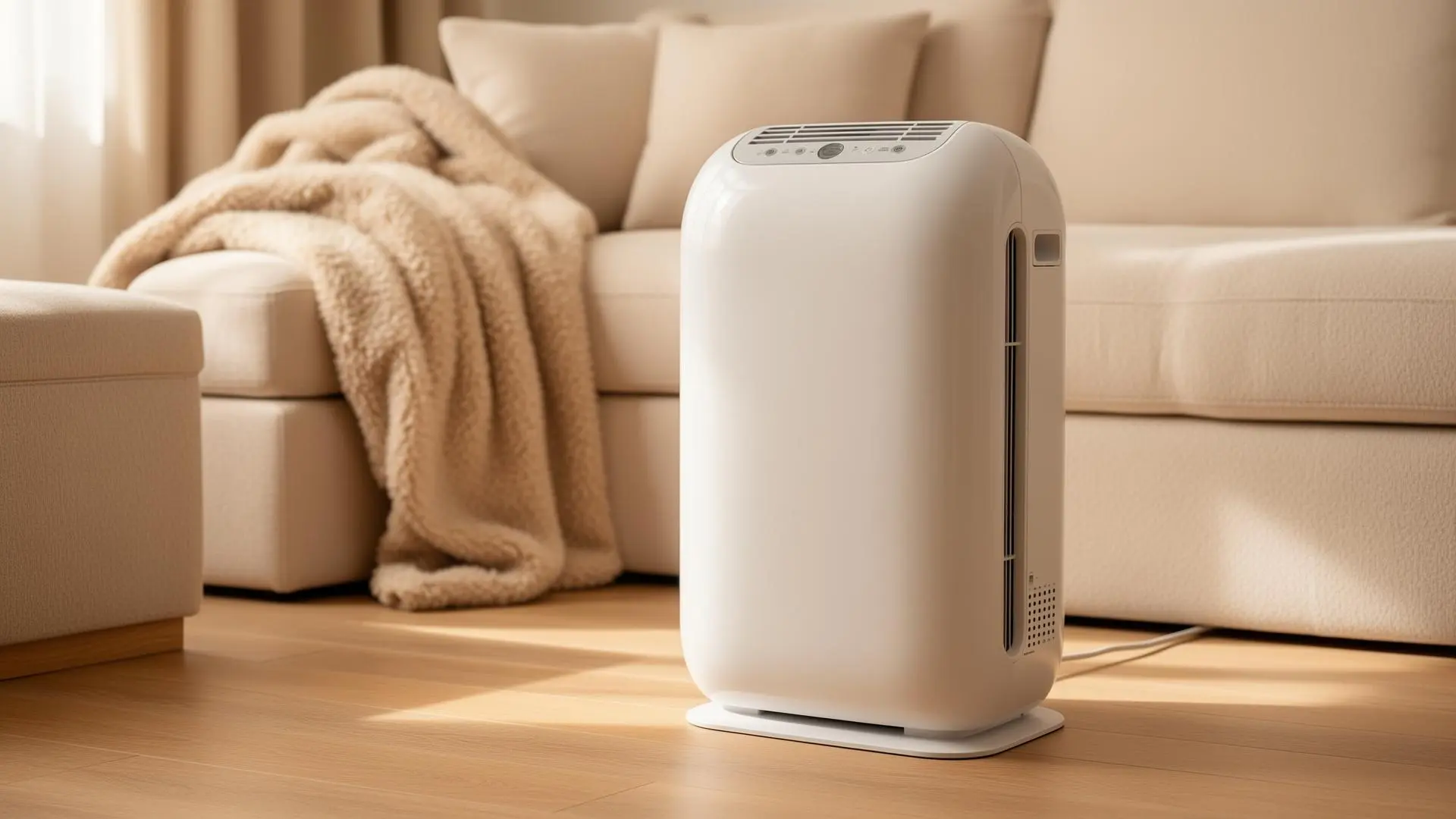


You are finally ready to settle in for a cozy evening, but the winter draft is cutting through your living room. You pull the space heater out and look for a spot to plug it in. You want the warmth close to your armchair or near the sofa, but you hesitate. Is it too close? Could the heat damage the leather or, worse, start a fire?
Most people place their heaters based on convenience rather than safety. This is a dangerous habit. According to fire safety experts, the leading cause of home heating fires is placing portable heaters too close to flammable objects. If you want to stay warm without the anxiety, you need to understand exactly how far should a space heater be from furniture and other common household items.
Paid link. As an Amazon Associate, we earn from qualifying purchases at no extra cost to you.
TL;DR
- A space heater must be at least three feet (one meter) away from furniture, curtains, bedding, and any other combustible materials.
- Match the heater to the room size, insulation and the kind of warmth you want instead of choosing by wattage alone.
- Prioritize appropriate safety features, stable placement, direct wall-outlet use and clear manufacturer instructions.
- Check the exact model specifications before purchase because features and retailer listings can change.
Quick Answer: The Three-Foot Rule
A space heater must be at least three feet (one meter) away from furniture, curtains, bedding, and any other combustible materials. This “three-foot zone” should be maintained in all directions—front, back, and sides—to ensure proper airflow and prevent accidental ignition. For the related safety issue, our Space Heater Safety for Curtains Bedding and Rugs covers the specific risks and safer checks.
Why the Three-Foot Rule Is Non-Negotiable
The National Fire Protection Association (NFPA) and the Consumer Product Safety Commission (CPSC) both emphasize the three-foot rule for a reason. Space heaters are designed to push out intense heat.

If this heat is trapped against a sofa or a set of drapes, the material can reach its ignition temperature even without a direct spark. This process is called “pyrolysis,” where the material chemically decomposes due to heat until it eventually catches fire. By keeping a clear perimeter, you allow that heat to dissipate safely into the room’s air.
1. Safety Distance for Different Furniture Types
Not all furniture reacts to heat the same way. While the three-foot rule is the standard, some materials require even more caution when determining how far should a space heater be from furniture.
Upholstered Sofas and Armchairs
Fabric sofas are highly flammable. The foam padding inside many cushions can ignite quickly and release toxic smoke. Always ensure a minimum of three feet between the heater’s heating element and the fabric.
Wooden Tables and Bookshelves
Wood is less likely to ignite instantly than fabric, but constant heat can damage the finish. It can cause wood to warp, crack, or discolor. To protect your investment in quality furniture, keep the heater at the recommended three-foot distance.
Bedding and Mattresses
Bedrooms are high-risk areas. Sheets, blankets, and mattresses are essentially fuel for a fire. Never place a space heater at the foot of the bed or next to a nightstand with hanging bed linens. In a bedroom, three feet is the absolute minimum; four or five feet is even safer.
2. Distance Requirements by Heater Type
The “three-foot rule” is a general safety standard, but the type of technology your heater uses can affect how it interacts with nearby furniture.
Ceramic Fan Heaters
These heaters blow hot air in a specific direction. The air coming out of the front grille is extremely hot. Because the heat is “forced,” it can heat up the surface of a nearby chair very quickly. Always point these toward open floor space, never directly at a piece of furniture.

Oil-Filled Radiators
These are often considered safer because they don’t have glowing coils. However, the metal fins get incredibly hot. While they radiate heat in all directions, they still require the three-foot clearance to prevent the surrounding air from becoming trapped and overheating the unit’s internal sensors.

Infrared Heaters
Infrared units heat objects directly rather than the air. If you point an infrared heater at a sofa from two feet away, that sofa will absorb all the energy and get dangerously hot. These require strict adherence to the three-foot rule to prevent “hot spots” on your furniture.

3. Beyond Furniture: Other Flammable Items
Furniture isn’t the only thing in your living room. When asking how far should a space heater be from furniture, you must also consider the items on or near that furniture.
Curtains and Drapes
Drafty windows are a common reason for using a heater, but placing a unit under a window with long curtains is a major mistake. A slight breeze from the window can blow the fabric directly into the heater’s grille.
Papers and Books
If you use a heater in a home office, keep it away from bookshelves and piles of paper. Paper has a lower ignition point than most woods and can catch fire in seconds if the heater’s intake or exhaust is blocked.
Rugs and Carpets
While the heater sits on the floor, the “three-foot rule” also applies to what is under it. Always place your heater on a hard, level, non-flammable surface like tile or hardwood. If you must place it on a rug, ensure the heater is specifically rated for it and has a sensitive tip-over switch.
4. Expert Tips for Safe Placement
- Use a Tape Measure: Don’t guess. Physically measure three feet from your sofa or bed to see what that distance actually looks like. It is often farther than you think.
- Avoid High-Traffic Areas: Don’t place the heater where people or pets are likely to walk. A bumped heater can shift closer to a piece of furniture without you noticing.
- The Hand Test: If you aren’t sure, place your hand on the furniture nearest to the heater after it has been running for 20 minutes. If the furniture feels hot to the touch, the heater is too close.
- Direct Wall Plugging: Always plug your heater directly into the wall. An extension cord is a trip hazard that could pull the heater closer to furniture if someone snags the wire.
Practical Tips for Readers
- Clear the Perimeter: Before turning on your heater, do a “sweep” of the area. Move shoes, pillows, or toys that might have migrated into the three-foot safety zone.
- Angle the Heat: Instead of pointing the heater directly at your legs while you sit on the couch, angle it slightly so the air circulates into the center of the room.
- Check the Back: People often remember the front of the heater but push the back right up against a bookshelf. The back needs at least 6 to 12 inches of space (check your manual) to “breathe” and prevent the motor from overheating.
Common Mistakes to Avoid
- Leaving it on while sleeping: If you are asleep, you won’t notice if a blanket falls off the bed and onto the heater.
- Using it to dry clothes: Never drape a towel or clothing over a heater to dry it. This is an immediate fire hazard.
- Ignoring the manual: Every brand has different specifications. Some high-powered units might require four feet of clearance rather than three.
- Blocking the path to the door: Never place a heater between you and the exit of a room. If a fire starts, you don’t want the hazard blocking your only way out.
Conclusion
Staying warm shouldn’t come at the cost of your safety. When deciding how far should a space heater be from furniture, always remember the “3-Foot Rule.” This simple distance is the difference between a cozy evening and a dangerous emergency.
By taking the time to measure your space and clear away flammable items, you build a safer environment for your family. Always prioritize heaters with modern safety features like tip-over switches and overheat sensors, but never rely on them as a substitute for proper placement. Use these guidelines to set up your “warm zone” correctly, and you can enjoy the winter chill from the comfort of a safe, toasty room.

Frequently Asked Questions
Can I put a space heater under a desk?
You should avoid putting a heater under a desk. Desks are often made of wood or particle board, and the enclosed space traps heat. This can damage the desk or cause the heater to overheat. If you must use one, ensure there is at least three feet of clearance from your legs and the desk walls.
Is one foot of distance enough for an oil-filled radiator?
No. Even though oil-filled radiators don’t have exposed coils, they still need three feet of space. They rely on air circulation to distribute heat. If they are too close to a wall or sofa, they can’t cool down properly, which may damage the unit.
How far should a heater be from a TV or electronics?
Electronics are sensitive to heat. Constant heat can melt internal components or damage screens. Keep space heaters at least three feet away from TVs, gaming consoles, and computers to prevent permanent damage.
What if my room is too small for the three-foot rule?
If your room is so small that you cannot maintain a three-foot clearance from all furniture, you should not use a portable space heater. Instead, consider wearing warmer layers or using a heated blanket, which is safer for tight spaces.
Can a space heater be near a wall?
Most manufacturers recommend at least one to two feet of distance from a wall. However, if that wall has baseboard molding or wallpaper, the three-foot rule is a safer standard to prevent discoloration or peeling.
Is it safe to put a space heater on a table?
No. Space heaters should always be placed on the floor. A heater on a table is much more likely to be knocked over, and the heat is focused at a level where it is more likely to ignite curtains or bedding.


