
You wake up on a freezing Tuesday morning. The air in your bedroom feels like ice. You walk to the closet and pull out that small plastic heater you bought years ago. It feels like a quick way to get cozy while you drink your coffee. You plug it in and hear the fan start to hum. For the related safety issue, our Space Heater Do’s and Don’ts for Safe Operation covers the specific risks and safer checks.
Within minutes, the room starts to feel better. But that small device is drawing massive amounts of power through your walls. One small mistake with where you place it or how you plug it in can change everything. Thousands of families lose their homes every year because of simple errors with portable heat. Understanding a few basic space heater safety tips can make the difference between a warm winter and a dangerous emergency. For the related safety issue, our Space Heater and GFCI Outlets Bathroom Safety Guide covers the specific risks and safer checks.
To stay safe, always keep your heater at least three feet away from anything that can burn. This includes curtains, blankets, and furniture. You must plug the unit directly into a wall outlet and never use an extension cord or power strip. These simple rules prevent the vast majority of heater related fires.
For a model-specific example within space-heater safety guidance, see our Best Space Heaters for Seniors for controls, safety features, heating style, and practical fit.
Paid link. As an Amazon Associate, we earn from qualifying purchases at no extra cost to you.
TL;DR

- You wake up on a freezing Tuesday morning. The air in your bedroom feels like ice. You walk to the closet and pull out that small plastic heater you bought years ago.
- Keep a portable heater on a stable surface with about 3 feet (0.9 m) of clearance from bedding, curtains, furniture and other combustible materials.
- Plug portable electric heaters directly into a suitable wall outlet; stop using a heater if the plug, cord or outlet becomes unusually hot, damaged or discolored.
- Safety features reduce risk but do not replace correct placement, supervision and the manufacturer’s instructions.
Modern Safety Features You Need
If you are buying a new heater, you should check for specific safety features. Older models often lack the sensors that prevent accidents. Modern technology has made heaters much smarter. These features are your second line of defense if you make a mistake with placement or power. For the related safety issue, our Space Heater Safety for Apartments and Rentals covers the specific risks and safer checks.
Automatic Tip Over Switch
This is one of the most critical space heater safety tips. A tip over switch detects if the machine is no longer vertical. If a pet or a child knocks the heater over, the power is cut immediately. This prevents the heating element from touching the floor while it is still active. Some units use a mechanical button, while newer ones use electronic sensors that work at any angle. For the related safety issue, our Space Heater Safety Tips for Power Outages and Storms covers the specific risks and safer checks.
Overheat Protection
An overheat sensor monitors the internal temperature of the unit. If the air vents get blocked by a stray sock or a thick layer of dust, the temperature inside will climb. Before the plastic starts to melt, this sensor shuts the machine down. This feature is vital for preventing fires that start inside the machine itself.
Cool Touch Housing
Traditional heaters had metal grills that could reach very high temperatures. Touching them would result in instant burns. Newer heaters use advanced materials or double walls to keep the outside cool. This is especially important if you have curious toddlers or pets who might wander near the unit.
Thermostat and Timers
A built in thermostat helps the heater run more efficiently. Instead of staying on high all the time, it cycles on and off to maintain a set temperature. This reduces the stress on your electrical circuit. Timers are also helpful. You can set the heater to turn off after an hour, ensuring it does not run all night if you fall asleep.
Understanding Safety Certifications
Before you take a heater to the checkout counter, look for a safety seal. These seals prove that a neutral lab has tested the device. They check for fire risks, electrical shocks, and how the unit handles a tip over.
The three most common seals in North America are:
- UL (Underwriters Laboratories): This is the gold standard for safety in the US.
- ETL (Intertek): This mark shows the unit meets the same standards as UL.
- CSA (Canadian Standards Association): This is common on units sold in both Canada and the US.
Avoid any heater that does not have one of these marks. Many cheap heaters sold on large online marketplaces do not undergo this testing. They might be cheaper to buy, but they are much more likely to fail and cause a fire. A safety certification is a small detail that provides huge peace of mind.
Room Specific Safety Hazards
The way you use a heater should change depending on which room you are in. Each area of your home has unique risks that you need to consider. For related safety guidance, read our guide on space heater safety tips for power outages and storms.
Bathroom Safety
Bathrooms are the most dangerous place for an electric heater. Water and electricity do not mix. If a heater falls into a tub or gets splashed, it can cause a fatal electric shock. Most space heaters are not designed for damp environments. If you need a bathroom heater, only buy one that is specifically rated for bathrooms and has an ALCI plug for shock protection.

Bedroom Safety
In the bedroom, the biggest risk is sleeping while the heater is on. If your bedding shifts in the middle of the night and falls on the heater, a fire can start while you are unaware. Many experts recommend using the heater to warm the room for 30 minutes before you go to sleep, then turning it off once you get into bed. For the related safety issue, our Can a Space Heater Cause a Fire? Staying Safe While Staying Warm covers the specific risks and safer checks.
Kitchen Safety
Kitchens are already full of high power appliances. Plugging a space heater into the same circuit as your refrigerator or dishwasher is a recipe for a blown fuse. Kitchens also have many water sources like the sink. Keep heaters on the opposite side of the room from any water and never touch them with wet hands.
Practical Safety Tips for Senior Citizens
Senior citizens are at a higher risk for heater related injuries. Limited mobility or reduced vision can make it harder to spot a fire risk. If you are a senior or caring for one, these specific tips are vital.
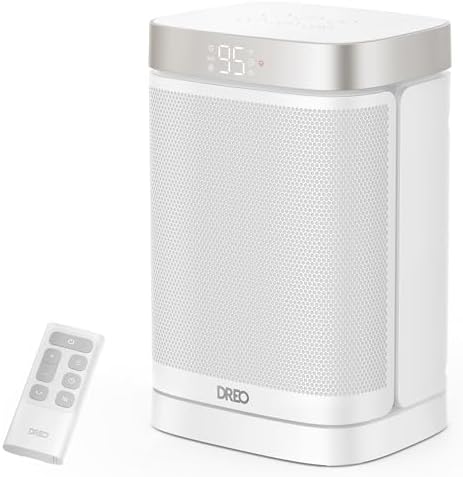
- Use Heaters with Remotes: This prevents the need to bend down or reach across a hot machine to change the settings.
- Choose High Contrast Buttons: Brightly colored buttons are easier to see if you have limited vision.
- Avoid Small Units: Larger tower heaters are harder to knock over and are more visible in the room.
- Check Smoke Alarms: Ensure smoke alarms have loud sirens and flashing lights if the person is hard of hearing.
How to Store Your Heater for the Summer
When the weather warms up, how you store your heater matters. Proper storage prevents dust buildup and protects the cord from damage.
- Clean Before Storing: Follow the cleaning steps above so dust does not sit inside the unit for months.
- Wrap the Cord Loosely: Never wrap the cord tightly around the heater. This can damage the internal copper wires.
- Use the Original Box: The box protects the unit from being bumped and keeps dust out of the vents.
- Store in a Dry Place: Avoid damp basements where moisture could rust the internal components.

Frequently Asked Questions
Can I plug my space heater into a surge protector?
No. Surge protectors are not designed for the high current that space heaters draw. They can easily overheat and cause a fire. You must always plug the heater directly into a wall outlet.
Is it safe to use a space heater while I sleep?
No portable space heater should be treated as safe to leave running while you sleep or when it is unattended. CPSC recommends turning portable heaters off when sleeping, plugging electric heaters directly into a wall outlet, and keeping them at least three feet from bedding, curtains, furniture, and other combustible materials.
It is generally not recommended. Fires can start quickly, and you will not be able to react. It is safer to use the heater to warm the room before you go to bed and then turn it off once you are under your blankets.
Why does my space heater smell like it is burning?
If you have just pulled it out of storage, it is likely just dust burning off the heating elements. This smell should go away in a few minutes. If the smell persists or smells like melting plastic, unplug the unit immediately.
How far should a heater be from my curtains?
You should keep a minimum of three feet between your heater and curtains or any other flammable material. This ensures that even if a draft blows the curtains toward the heater, they will not catch fire.
What should I do if my circuit breaker trips?
If the breaker trips, your heater is pulling too much power for that circuit. Unplug the heater and move it to a different room that is on a separate circuit. Never use a larger fuse or breaker to try and fix the problem.
Can I use a space heater in a garage?
Yes, but you should use a model rated for workshop use. Infrared heaters are often the best choice for garages because they heat you directly rather than trying to warm all the cold air in a large, drafty space.
Do all space heaters have tip over protection?
Most modern units do, but older or very cheap models might not. Always check the box or the manual for this feature before you buy. It is one of the most important safety sensors for any home.


