
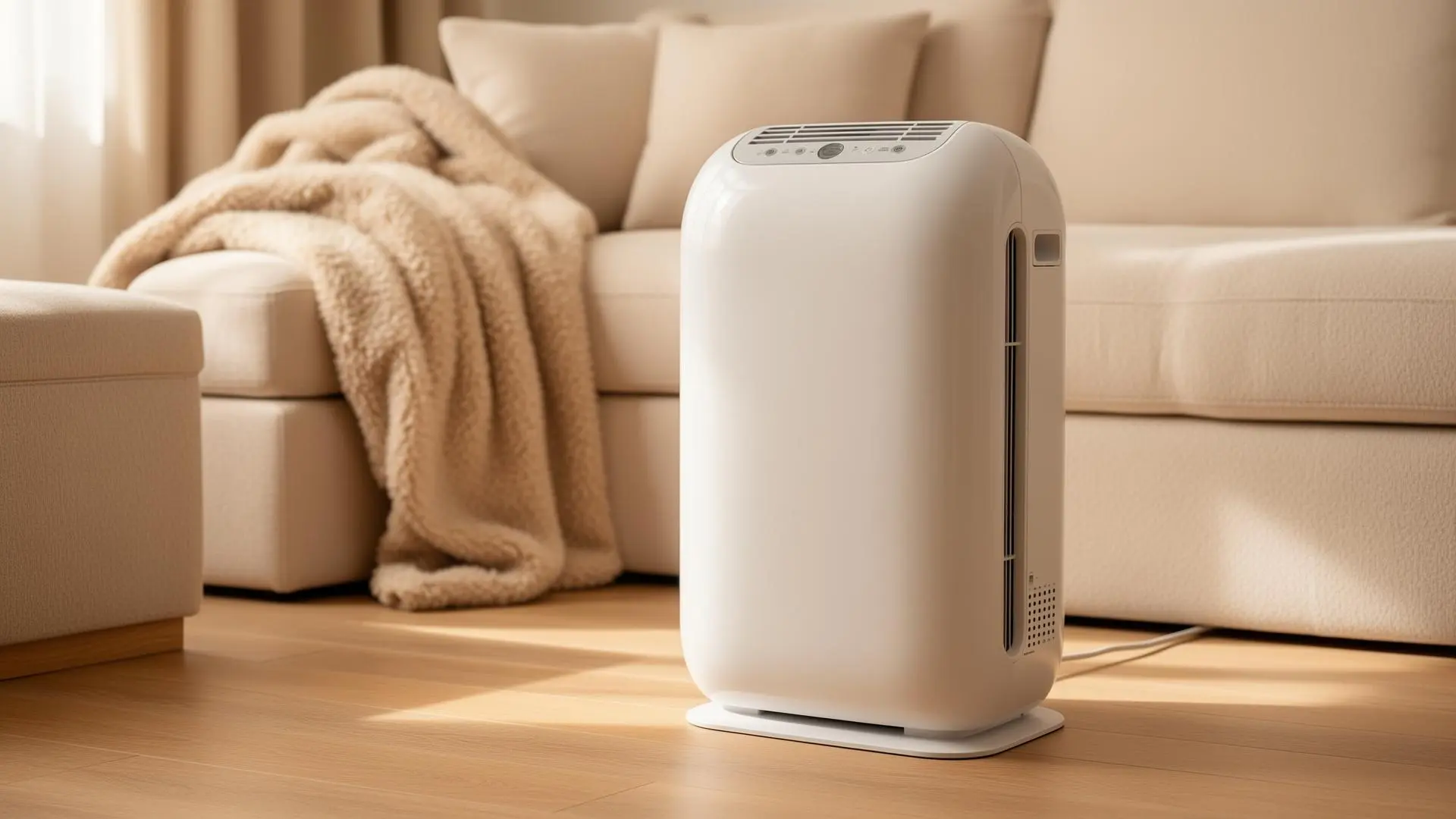


You are sitting in your living room on a freezing winter evening. Your central heating is running, but you still feel a chill deep in your bones. You want to stay warm without heating the entire house and sending your energy bill into outer space. You start looking for a solution and keep seeing the term infrared pop up in your search. For the buying decision behind this topic, compare our Best Infrared Space Heaters for Home.
It sounds high-tech, but you might wonder if it is just a marketing gimmick. Many people are used to old-fashioned ceramic heaters that blow hot air around the room. Moving to a different technology can feel a bit confusing. If you have been asking what is an infrared portable space heater, you are about to discover a very different way to stay cozy.
As an experienced reviewer of home heating products, I have tested dozens of these units in drafty offices and large basements. They do not work like the heaters you grew up with. Instead of trying to warm every cubic inch of air, they focus their energy exactly where you need it. Let’s look at why this technology is a game changer for many homeowners.
Paid link. As an Amazon Associate, we earn from qualifying purchases at no extra cost to you.
TL;DR
- An infrared portable space heater is a device that uses electromagnetic waves to heat objects and people directly rather than warming the air.
- Match the heater to the room size, insulation and the kind of warmth you want instead of choosing by wattage alone.
- Prioritize appropriate safety features, stable placement, direct wall-outlet use and clear manufacturer instructions.
- Check the exact model specifications before purchase because features and retailer listings can change.
Quick Answer: Infrared Heating Defined
An infrared portable space heater is a device that uses electromagnetic waves to heat objects and people directly rather than warming the air. It works much like the sun, sending out invisible light that creates instant warmth when it hits your skin or furniture. This makes them highly efficient for large, drafty rooms where traditional heaters struggle.


How It Works: The Science of Invisible Light
To understand what is an infrared portable space heater, you have to stop thinking about hot air. Most heaters use “convection.” They heat a wire or a plate, and a fan blows that heat into the room. The hot air rises to the ceiling, leaving your feet cold.
Infrared technology uses “radiant” heat. Inside the heater, there are quartz bulbs or tubes. These bulbs emit infrared light. You cannot see this light, but your body can feel it. When these waves hit an object, like your sofa or your sweater, they cause molecules to vibrate. This vibration creates heat. For a deeper look at this heater type, see our Infrared Space Heater Range What It Can and Cannot Do. For a deeper look at this heater type, see our What Is a Quartz Space Heater.
Think about standing outside on a cold but sunny day. Even if the air is freezing, you feel warm the moment the sun hits your face. That is infrared energy at work. An infrared heater brings that same feeling into your living room.
Key Features of Infrared Heaters
When you go shopping for one of these units, you will notice they look different from standard box heaters. They often have specific design elements that help them perform.
Quartz Tubes and Heating Elements
Most infrared units use quartz tubes to house the heating elements. These tubes are very good at emitting infrared waves without burning out quickly. Some high-end models use copper heat exchangers to help distribute the warmth more evenly.

Furniture-Style Cabinets
You will often see infrared heaters built into wooden or plastic cabinets. Because the heat is directed outward in waves, the exterior of the heater usually stays much cooler than a ceramic unit. This allows manufacturers to make them look like a piece of furniture rather than a utility appliance.
Fan-Assisted Distribution
While infrared heat travels in waves, many portable units still include a small, quiet fan. This fan helps push the warm air that builds up inside the cabinet out into the room. This gives you a hybrid effect: the instant warmth of infrared light and a gentle movement of warm air.
Pros and Cons of Infrared Technology
No heater is perfect for every situation. Understanding the strengths and weaknesses is a big part of knowing what is an infrared portable space heater.
The Pros
- Instant Warmth: You don’t have to wait for the whole room to warm up. You feel the heat the second you turn it on.
- Energy Efficiency: Because you aren’t heating the entire volume of air, you can often stay comfortable using less electricity.
- Maintains Humidity: Traditional heaters can dry out the air, leading to itchy skin and dry eyes. Infrared heaters do not dry out the air as much.
- Silent Operation: Without a heavy-duty fan, these units are often much quieter than ceramic models.
The Cons
- Directional Heat: If you move out of the “line of sight” of the heater, you might feel the chill again quickly.
- Large Footprint: Many infrared units are larger and heavier than small ceramic personal heaters.
- Not Great for Multiple People: If you have a large family spread out in a room, those not directly in front of the heater might stay cold.
Cost Breakdown: Electricity and Value
A common question people ask is whether these units are expensive to run. Almost all portable heaters in 2026 use 1,500 watts on their high setting. This means an infrared heater uses the same amount of electricity as a ceramic one.
However, the value comes from how you use that power. Because the heat is instant and directed at you, you might find that you can turn the heater off sooner. You might also find you can set your home’s central thermostat lower. This “zone heating” strategy is where the real savings happen.
Safety Considerations for Infrared Units
Safety is the most important factor when choosing any heater. Infrared technology has some unique safety benefits.
Cool-to-the-Touch
Because the heat is projected forward, the top and sides of the cabinet usually stay cool. This is a massive benefit for parents with curious toddlers or pet owners with dogs that like to lean against furniture.
Automatic Shut-off Features
Modern infrared heaters come with tip-over switches and overheat protection. If the unit is knocked over or the internal temperature gets too high, it shuts down instantly. In 2026, these sensors are highly reliable and standard in most quality brands.
No Exposed Coils
Unlike some older heaters, the heating elements in an infrared unit are tucked deep inside quartz tubes and behind metal grilles. This reduces the risk of dust or loose clothing catching fire.
Comparison Insights: Infrared vs. Ceramic
If you are still on the fence, it helps to compare this tech to the most common alternative.
Ceramic Heaters: These are better for small, enclosed spaces like a bathroom or a tiny office. They are great at warming up the air quickly in a small “bubble.”
Infrared Heaters: These are the winners for large living rooms, basements, or rooms with high ceilings. If you have a drafty house, an infrared heater is better because its heat waves aren’t blown away by a draft like hot air is.
Buying Factors: What to Look For
When you are ready to buy, don’t just pick the cheapest one. Look for these specific details.
- Digital Thermostat: This allows you to set an exact temperature. The heater will cycle on and off to maintain that level, saving you money.
- Remote Control: Since infrared heaters are directional, it is nice to be able to adjust the settings without getting up from your cozy spot.
- Filter Quality: Some models have lifetime dust filters. This keeps the internal bulbs clean and ensures the heater lasts for many years.
Common Mistakes to Avoid
One mistake people make is thinking that an infrared heater can heat an entire three-bedroom apartment. It cannot. It is a tool for a single room.
Another mistake is placing objects too close to the front. While the sides stay cool, the front grille gets very hot. Maintain at least three feet of clearance in front of the heater to prevent any fire risk. Finally, don’t leave the heater on in an empty room. Since it heats objects, it is a waste of money to heat a room when nobody is there to feel it.
Frequently Asked Questions
Are infrared heaters safe for eyes and skin?
Yes, the infrared waves emitted by these household heaters are at a safe frequency. They are the same type of waves used in saunas and baby incubators. They do not contain harmful UV rays.
Do infrared heaters use a lot of electricity?
They use the same amount of power as other heaters, usually 1,500 watts on high. However, because they heat you directly, you may find you can run them for shorter periods, which saves money.
Can an infrared heater be left on overnight?
No portable space heater should be treated as safe to leave running while you sleep or when it is unattended. CPSC recommends turning portable heaters off when sleeping, plugging electric heaters directly into a wall outlet, and keeping them at least three feet from bedding, curtains, furniture, and other combustible materials.
Why does my infrared heater have a fan?
The fan helps move the heat out of the internal cabinet and into the room more quickly. It also helps circulate the air so the thermostat can get an accurate reading of the room temperature.
Do infrared bulbs need to be replaced?
Quartz bulbs in these heaters are designed to last for many years. Most are rated for 20,000 hours or more. If a bulb does fail, many manufacturers sell replacement parts that are easy to install.
Is an infrared heater better than an oil-filled radiator?
Infrared heaters provide instant heat, while oil-filled radiators take a long time to warm up. If you want warmth right now, choose infrared. If you want silent, long-lasting heat for a bedroom, choose an oil radiator.
Will an infrared heater work in a garage?
Yes, they are actually one of the best choices for garages. Since they don’t rely on warming the air, you will feel warm even if the garage has poor insulation or cold concrete floors.


