

You wake up on a Tuesday morning and the floor feels like a sheet of ice. Your toes are numb. You check the thermostat and realize your central heat is struggling. You decide it is finally time to get a space heater. You drive to the local big box store. You find the heating aisle is almost empty. The few models left are way more expensive than you expected. This is the classic panic buy scenario that many homeowners face every winter.
It is a frustrating and costly experience that happens to thousands of people. You want to stay warm without overpaying for a basic appliance. Finding the best time to buy a space heater can save you 50 percent or more on the purchase price. It also ensures you get the best technology instead of settling for whatever is left on the shelf.
This guide will help you navigate the retail cycles of the heating industry. We will look at how stores manage their inventory. We will explore the best months for clearance deals. We will also look at major shopping holidays like Black Friday and Prime Day. By the end of this report, you will know exactly when to pull the trigger on a new heater. You will understand how to spot a real deal versus a marketing trick. Most importantly, you will be prepared before the next cold front hits your home.
Table of Contents
Quick Answer: The Best Window for Savings
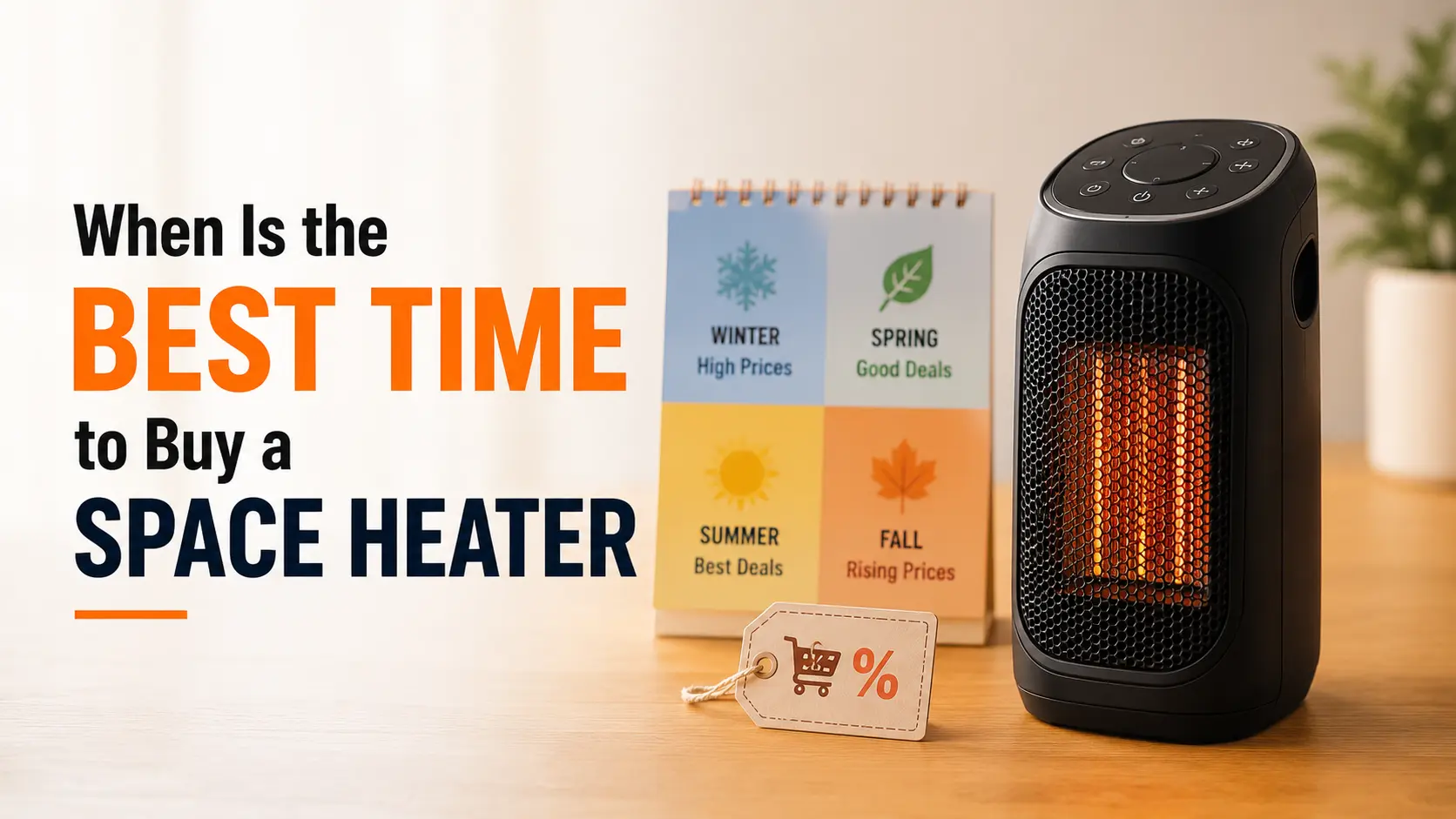
The absolute best time to buy a space heater for maximum savings is during the late winter clearance window in February and March. Retailers are desperate to clear floor space for spring gardening products and patio furniture during these months. You can often find high quality units marked down by 40 percent to 60 percent as stores transition their inventory. If you prefer to buy a brand new model at the start of the season, the best deals occur during Amazon Prime Day in July or Black Friday in late November.

Understanding the Retail Lifecycle of Heating Appliances
Retailers do not view space heaters as year round products. They see them as seasonal inventory that must move quickly to maintain profitability. Seasonal inventory refers to products that are stocked based on repeatable market demands. For heaters, this demand is entirely driven by the weather. When the temperature drops, demand spikes. When the sun comes out in the spring, demand disappears completely.
Store managers use historical data to forecast how many units they should buy. They analyze previous sales trends and regional weather forecasts. Despite this planning, they often end up with too much or too little stock. If the winter is milder than expected, stores get stuck with rows of unsold heaters. This is where the savvy shopper finds the biggest opportunities.
The Inventory Transition Period
Most large retailers follow a strict calendar for their floor sets. They need to move from winter products to spring products by a specific date. This usually happens between late January and early March. During this time, the “cost of carry” becomes a problem for the store. It costs money to store bulky heaters in a warehouse. It is often cheaper for the store to sell them at a loss than to keep them until next year.
You can see this transition happen in real time. The heating aisle starts to shrink. Bags of potting soil and lawnmowers start appearing nearby. This is your signal that clearance is imminent. Many stores will use “Flash Deals” to move the last few units quickly. You might see a ceramic heater that was 50 dollars in November drop to 20 dollars in February.
The Role of Manufacturers
Manufacturers like Lasko, Honeywell, and De’Longhi also have their own cycles. They typically release new models in the late summer or early fall. This allows them to have fresh inventory ready for the peak buying season in October and November. For example, Lasko often launches new smart heaters in September.
When new models arrive, the previous year’s models are often discounted. This happens at both the manufacturer level and the retail level. If you do not mind having last year’s design, you can save a lot of money in the fall. You are getting nearly identical technology for a much lower price.
| Month | Retail Activity | Consumer Opportunity |
| January | Post-holiday returns and initial markdowns | Moderate savings on open box units. |
| February | Deep clearance to make room for spring | Maximum savings on all models. |
| March | Final closeout sales | Very high savings but limited selection. |
| April/May | Off-season low demand | Good for negotiating on larger HVAC systems. |
| July | Prime Day and mid-summer sales | Good for smart tech and new releases. |
| September | New model launches | High availability of the latest features. |
| November | Black Friday and Cyber Monday | Best for mid-range and budget units. |
Monthly Breakdown: When to Shop
The Winter Clearance (January and February)
January and February are the gold mine months for space heater shoppers. By January, the peak of the holiday shopping season is over. Most people who needed a heater for the first freeze have already bought one. Stores are looking at their remaining stock and realizing they need to get rid of it.
February is particularly strong for discounts. Many retailers offer hefty markdowns as winter starts to wind down. This is the time when you will see the biggest price cuts on premium brands. Models from companies like Dyson or Vornado might see significant reductions. These are the units that rarely go on sale during the peak of December.
You should look for “Rollback” tags at stores like Walmart or clearance stickers at Target. During this period, a high quality oil-filled radiator might be priced the same as a cheap fan heater was in November. It is the best time to upgrade your home’s supplemental heating without breaking the bank.
The Off-Season Strategy (Spring and Summer)
Buying a heater in May or June might feel strange. It is often the last thing on your mind when the sun is shining. However, this is exactly why it is a great strategy. Demand is at its absolute lowest point. Some specialty retailers or online shops may still have leftover stock that they want to move.
This period is also the best time for larger home heating projects. If you are looking to buy a furnace or a large wall mounted heater, spring and summer are ideal. HVAC companies are less busy during these months. They often offer better prices and more flexible installation schedules. You avoid the emergency service fees that come with a winter breakdown.
The Mid-Year Digital Sales (July)
Amazon Prime Day has changed the way we shop for appliances. It usually happens in mid-July. This creates a secondary peak in the shopping calendar. Amazon and its competitors offer deep discounts to keep sales moving during the summer slump.
Prime Day is excellent for technology focused heaters. If you want a heater with Wi-Fi, app control, or air purification, this is a great time to look. Brands like Dreo or Govee often run aggressive promotions during this window. You can get a high tech unit for 30 percent or 40 percent off its original price.
The Pre-Season and Black Friday (September to November)
September marks the return of heating products to the shelves. Manufacturers release their latest innovations during this month. This is the best time to buy if you want the most advanced safety features or the best energy efficiency ratings. You will pay a higher price, but you get the full selection of every model on the market.
Black Friday in late November is the final big chance for a deal before the deep winter hits. Most Black Friday deals on space heaters focus on budget friendly models. You might see compact ceramic heaters for 15 dollars or 20 dollars. It is a great time to pick up small units for an office desk or a bathroom.
However, you must be careful during Black Friday. Some “deals” are not as good as they seem. Some retailers may hike prices in October just to lower them for the sale. Always use a price tracking tool to ensure the discount is real. In many cases, the clearance prices in February are still lower than the Black Friday prices in November.
Analyzing the Types of Heaters for Best Value
To find the best deal, you need to know what kind of heater you are looking for. Different technologies have different price points and maintenance costs. A cheap heater might cost you more in electricity over the long run.
Ceramic Space Heaters
Ceramic heaters are the most common type on the market. They represent about 32 percent of the total market share. They use ceramic plates that heat up quickly when electricity passes through them. A fan then blows that heat into the room.
These units are usually the first to go on sale. Because they are inexpensive to produce, retailers can afford to mark them down significantly. They are great for small rooms or personal use. You can find these for as low as 15 dollars during clearance events.
Oil-Filled Radiators
Oil-filled radiators look like old fashioned steam radiators. They are filled with a special diathermic oil that never needs to be replaced. They do not have fans, so they are completely silent. They are excellent for bedrooms because they provide steady, long lasting heat.
These heaters are often more expensive than ceramic models. They rarely go for ultra-low prices like 15 dollars. However, they provide better value for sustained heating. During February clearance, you might find a 100 dollar radiator for 50 dollars. This is a fantastic investment for long term comfort.
Infrared Heaters
Infrared heaters work differently than other types. They do not heat the air in the room. Instead, they emit radiation that heats objects and people directly. It is similar to the feeling of standing in the sun on a cold day.
These are perfect for drafty rooms or large open spaces like garages. They provide instant warmth without wasting energy heating all the air in a room. These models often have higher price tags because they use specialized quartz tubes. Keep an eye out for these during Prime Day or end-of-season sales.
Comparison of Heating Technologies
| Technology | Best Use Case | Heating Speed | Noise Level | Price Range |
| Ceramic | Small offices, bedrooms | Very Fast | Moderate (Fan) | $15 – $60. |
| Oil-Filled | Bedrooms, long-term use | Slow | Silent | $40 – $120. |
| Infrared | Drafty rooms, garages | Instant | Quiet | $60 – $200. |
| Fan Forced | Quick spot heating | Fast | Loud | $15 – $40. |
The Real Cost of Running a Space Heater
When you are looking for the best time to buy, you should also think about the cost of electricity. A cheap heater can be very expensive if it uses a lot of power. Most full size space heaters use 1,500 watts of electricity.
In the United States, the average cost of electricity is around 16 to 18 cents per kilowatt hour. In the United Kingdom, rates are expected to be around 27.69 pence per kilowatt hour by 2026. You should calculate the daily cost before you decide which model to buy.
How to Calculate Your Costs
You can find the daily cost using a simple formula. Divide the wattage by 1,000 to get the kilowatts. Multiply that by the hours you use it. Then multiply by your local electricity rate.
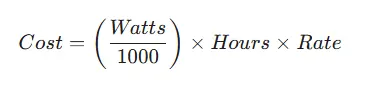
For a 1,500 watt heater running for 8 hours: 1.5 × 8 × 0.16 = $1.92 per day
Over a month, this adds about 57 dollars to your bill. If you buy a heater with an “Eco Mode” or a programmable thermostat, you can reduce this cost by 20 percent to 30 percent. Spending 20 dollars more for a smarter heater during a sale can save you hundreds of dollars over several winters.
Smart Heaters vs. Manual Models
Smart heaters are becoming more popular. They connect to your phone and can be programmed with complex schedules. Some even use motion sensors to turn off when the room is empty.
While a smart heater might cost 550 dollars versus 70 dollars for a manual one, the savings can add up. A smart heater might pay for itself in about seven years if used frequently. If you find a smart heater on clearance in February, that payback period drops significantly. This makes the off-season the perfect time to invest in expensive technology.
Essential Safety Standards to Check
No matter how good the deal is, you should never compromise on safety. Space heaters are responsible for thousands of house fires every year. When you are browsing the clearance aisle, look for specific safety marks.
UL vs. ETL Certification
You will often see a “UL” or “ETL” logo on the box. Many people think one is better than the other. In reality, they are both equal in terms of safety assurance. Both agencies test products to the same national standards.
UL stands for Underwriters Laboratories. It is a very old and respected organization. ETL is managed by Intertek and also follows the same testing methods. If a heater has either mark, it means it has been tested for overheating and fire hazards. Never buy a heater that lacks these certifications, even if the price is incredibly low.
Critical Safety Features
A good space heater should have at least three specific safety features. These are especially important if you have pets or children in the house.
- Tip-Over Protection: This is a switch that turns the heater off if it gets knocked over.
- Overheat Protection: This sensor shuts the unit down if internal parts get too hot.
- Cool-Touch Exterior: The outside of the heater should stay safe to the touch while it is running.
When you shop during the end-of-season sales, check the boxes for these features. Sometimes older clearance models might lack the newest safety sensors. It is better to pay a few dollars more for a unit that keeps your family safe.
Expert Tips for Finding the Best Deals
Finding the best time to buy is only half the battle. You also need to know where to look and how to evaluate the offers. Here are some insider tips from an experienced reviewer.
Use Price Tracking Tools
Retail prices change almost every day. For online shopping, use price tracking websites. They can show you the price history of a specific heater. You might find that the “Black Friday Sale” price is actually the same price the heater was in August. This helps you avoid fake discounts.
Check the Open Box Section
January is a peak month for returns. Many people receive heaters as gifts or realize they do not need them after the holidays. Check the “Open Box” or “Warehouse Deals” section of major retailers. You can often find a brand new heater that has only been taken out of the box once. These are usually discounted by 20 percent to 30 percent even before the clearance sales start.
Evaluate the Warranty
Most space heaters come with a one to three year warranty. When you buy in the off-season, make sure the warranty starts on your purchase date. Keep your receipt in a safe place. If you buy a heater in February and do not use it until November, you want to make sure the warranty is still active if it fails on the first cold night.
Look for Bundled Deals
During the summer months, some retailers bundle heaters with other products. You might see a “Home Comfort Bundle” that includes a fan and a heater. These can be great value if you need both. Dyson often sells their “Hot + Cool” models that work year round as both a heater and a fan.
Common Mistakes to Avoid
Buying a space heater should be a simple task. However, many people make the same errors every year. Avoiding these mistakes will save you money and keep your home safer.
The Panic Buy
The biggest mistake is waiting until the first snowstorm to shop. You will pay the highest price and have the worst selection. Stores know that people are desperate during a cold snap. They rarely offer discounts during peak demand.
Buying the Wrong Size
Many people buy the biggest heater they can find, thinking it will heat better. This is a waste of money and electricity. The general rule is that you need 10 watts of power for every square foot of space.
- Small rooms (100-150 sq ft): 750 to 1,500 watts.
- Medium rooms (150-300 sq ft): 1,500 watts.
- Large rooms (300+ sq ft): Multiple heaters or high-capacity units.
Using Extension Cords
Never plug a space heater into an extension cord or a power strip. Heaters draw a massive amount of current. This can cause the cord to overheat and start a fire. Always plug your heater directly into a wall outlet. If the cord is not long enough, you might need to reconsider your room layout.
Ignoring the Maintenance
A space heater is not a “set it and forget it” device. Dust can accumulate on the heating elements or the fan blades. This makes the heater less efficient and creates a fire risk. Make sure you clean your heater before you store it for the summer.
How to Store Your Heater for the Summer
Once the weather warms up, you need to store your heater properly. Proper storage ensures the unit will work perfectly when you need it next year.
- Unplug and Cool Down: Always wait for the unit to be completely cool before handling it.
- Thorough Cleaning: Use a vacuum with a brush attachment to clean the vents and grilles.
- Inspect for Damage: Check the cord for frays and the body for cracks.
- Use a Cover: Protect the heater from dust by using a cloth or the original box.
- Dry Location: Store it in a cool, dry place. Moisture can cause internal components to rust.
Real World Performance and Brand Reliability
In my years of reviewing heaters, I have found that certain brands consistently perform better than others. When you see these names on clearance, they are usually a safe bet.
Lasko
Lasko is the workhorse of the industry. They offer reliable, value-driven heaters that last for many seasons. Their ceramic tower heaters are particularly popular because they oscillate to distribute heat evenly. They are often the most common brand in clearance aisles.
Vornado
Vornado heaters use a special vortex technology to circulate air. They do not just blow heat in one direction. Instead, they create a current that warms the entire room evenly. They are often more expensive, but they are very quiet and efficient.
De’Longhi
If you want an oil-filled radiator, De’Longhi is the top choice. They have been making these for decades and have some of the best safety features in the business. Their mica thermic panel heaters are also excellent for wall mounting in small spaces.
Dyson
Dyson is the luxury option. Their heaters are bladeless and often include advanced HEPA air filtration. While they are very expensive, they are the most stylish and offer the most features. If you can find a Dyson for 30 percent off during a summer sale, it is a great time to buy.
Decision Focused Conclusion
Choosing the best time to buy a space heater comes down to your personal needs. If you want the lowest possible price, you should shop in February and March. The clearance markdowns are unbeatable during this window as stores prepare for spring. You can find high quality units for a fraction of their original cost.
If you are looking for the latest smart features or the best energy efficiency, look at September or July. The September launches give you the best selection of new technology. Amazon Prime Day in July offers a great middle ground with discounts on high tech models.
Remember to always prioritize safety. Check for UL or ETL marks and ensure the unit has tip-over and overheat protection. Avoid the panic buy in the middle of a blizzard. By planning your purchase just a few months in advance, you can stay warm and cozy while keeping your wallet full. The best time to buy a space heater is before the frost arrives.
FAQs
When do space heaters go on clearance?
Most retailers start marking down heaters in late January and throughout February. They need to clear the shelves to make room for spring items like lawnmowers and gardening tools.
Is Black Friday a good time to buy a heater?
Black Friday is great for budget models and small personal heaters. However, for high-end brands and advanced technology, the end-of-season clearance in February often offers deeper discounts.
Do heaters go on sale during the summer?
Yes, online retailers often have sales during the summer to move leftover stock. Amazon Prime Day in July is one of the best times to find mid-summer deals on space heaters.
How much can I save by buying off-season?
You can typically save between 40 percent and 60 percent during major clearance events. Some floor models or open box units might even be discounted up to 75 percent in late March.
Are clearance heaters safe to buy?
Yes, clearance heaters are the same models sold at full price. Just make sure to inspect the box for damage and confirm it has modern safety features like tip-over and overheat protection.
Does the warranty still work if I buy in the off-season?
Yes, your manufacturer’s warranty typically begins on the date of purchase. Keep your sales receipt as proof of purchase to ensure you are covered for the full term.
Should I buy a heater online or in person?
Both have advantages. In-person shopping is better for finding one-off clearance deals at local stores. Online shopping offers better price comparison tools and access to mid-summer sales like Prime Day.