
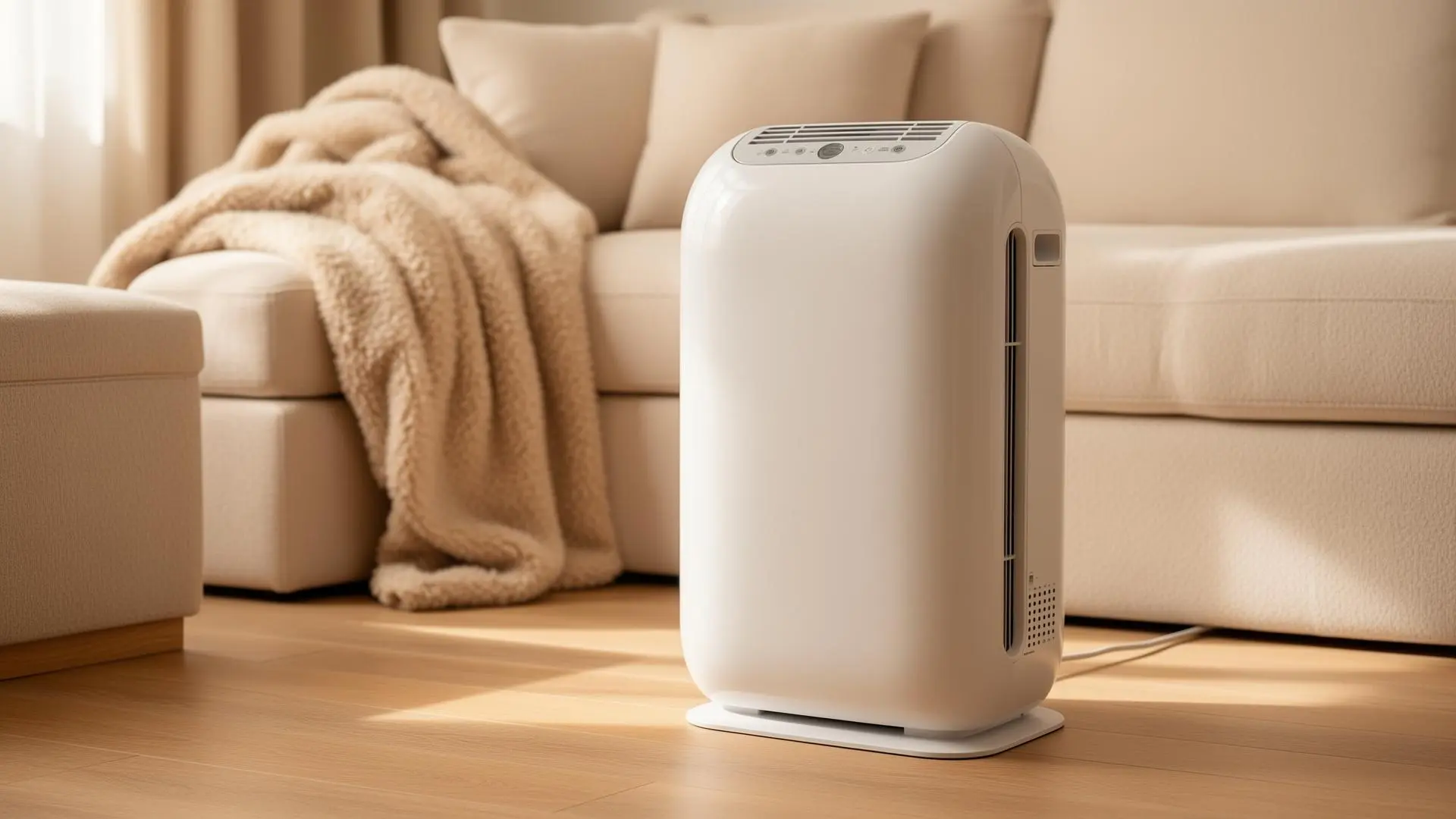


Choosing a space heater gets easier once you understand what each type actually does. Most portable heaters use electric resistance heat, but they deliver that heat in different ways. Some warm the air quickly, some warm people and objects directly, and others trade speed for quieter, steadier comfort.
TL;DR
- Ceramic and fan-forced heaters are best when you want fast warm airflow and compact size.
- Infrared and other radiant heaters are better for targeted warmth because they heat people and objects directly.
- Oil-filled and micathermic heaters favor quieter, steadier room comfort over instant heat, while panel and wall heaters save floor space.
Paid link. As an Amazon Associate, we earn from qualifying purchases at no extra cost to you.


How space heaters differ
The biggest difference is not electrical efficiency. Standard electric resistance heaters convert nearly all electricity used at the appliance into heat. What changes is how that heat reaches you: convection warms air, radiant heat warms surfaces and people directly, and hybrid designs use both.
Ceramic space heaters
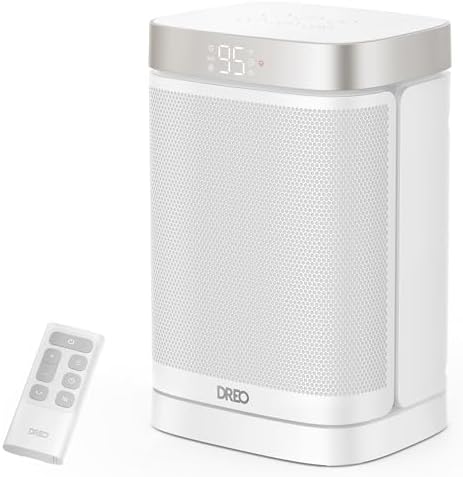
Ceramic heaters use an electrically heated ceramic element, usually with a fan. They warm up quickly, are widely available, and work well in bedrooms, offices and small-to-medium rooms. Their main tradeoff is fan noise.
Infrared heaters
Infrared heaters are radiant heaters. They send infrared energy toward people and objects instead of depending entirely on warming the surrounding air. That makes them useful for spot heating, garages and drafty areas where warm air can escape quickly.

Oil-filled radiators
Oil-filled radiators heat sealed thermal oil inside metal fins. There is no fan, so operation is quiet. They warm more slowly than ceramic heaters but continue releasing heat from the hot metal and oil after the element cycles off.
Radiant and quartz heaters
Radiant describes the heat-transfer method. Quartz usually describes the element construction. A quartz heater is often also an infrared radiant heater. These models feel warm quickly when you are in their line of sight.
Convection and fan heaters
Convection heaters warm the surrounding air. Some rely on natural air movement, while fan heaters push warmed air into the room. They are usually better for whole-room temperature improvement than narrow radiant heaters.
Micathermic heaters
Micathermic heaters use mica-covered elements and combine radiant and convective heat. They are typically slim and quiet, with a feel that sits between a panel radiator and a faster convection heater.
Panel and wall heaters
Panel and wall-mounted heaters are useful when floor space matters. Some are convection-based, while others use radiant or infrared heat. Installation and placement matter more than with a portable floor heater.
Which type should you choose?
For fast personal warmth, start with ceramic. For silent overnight-style room heating, consider oil-filled. For direct spot heat, infrared or quartz can work well. For slim, quiet wall-adjacent heating, micathermic or panel designs make sense. Match the type to how the room is used rather than assuming one technology is universally best.
Related guides
Compare our best ceramic heaters, best infrared heaters, best oil-filled radiators and best micathermic heaters for product-level recommendations.
FAQs
What is the most common type of space heater?
Ceramic fan heaters are among the most common portable electric space heaters because they heat quickly and are available in many sizes.
Which space heater type is quietest?
Oil-filled radiators and many micathermic heaters are among the quietest because they do not depend on a high-speed fan.
Which type gives the fastest warmth?
Ceramic fan heaters and infrared radiant heaters usually feel warm fastest, though they deliver heat differently.
Are all 1500W heaters equally efficient?
At the appliance level, standard electric resistance heaters convert electricity to heat very efficiently. Comfort and operating cost depend more on runtime, thermostat behavior and whether you heat only the occupied zone.


