
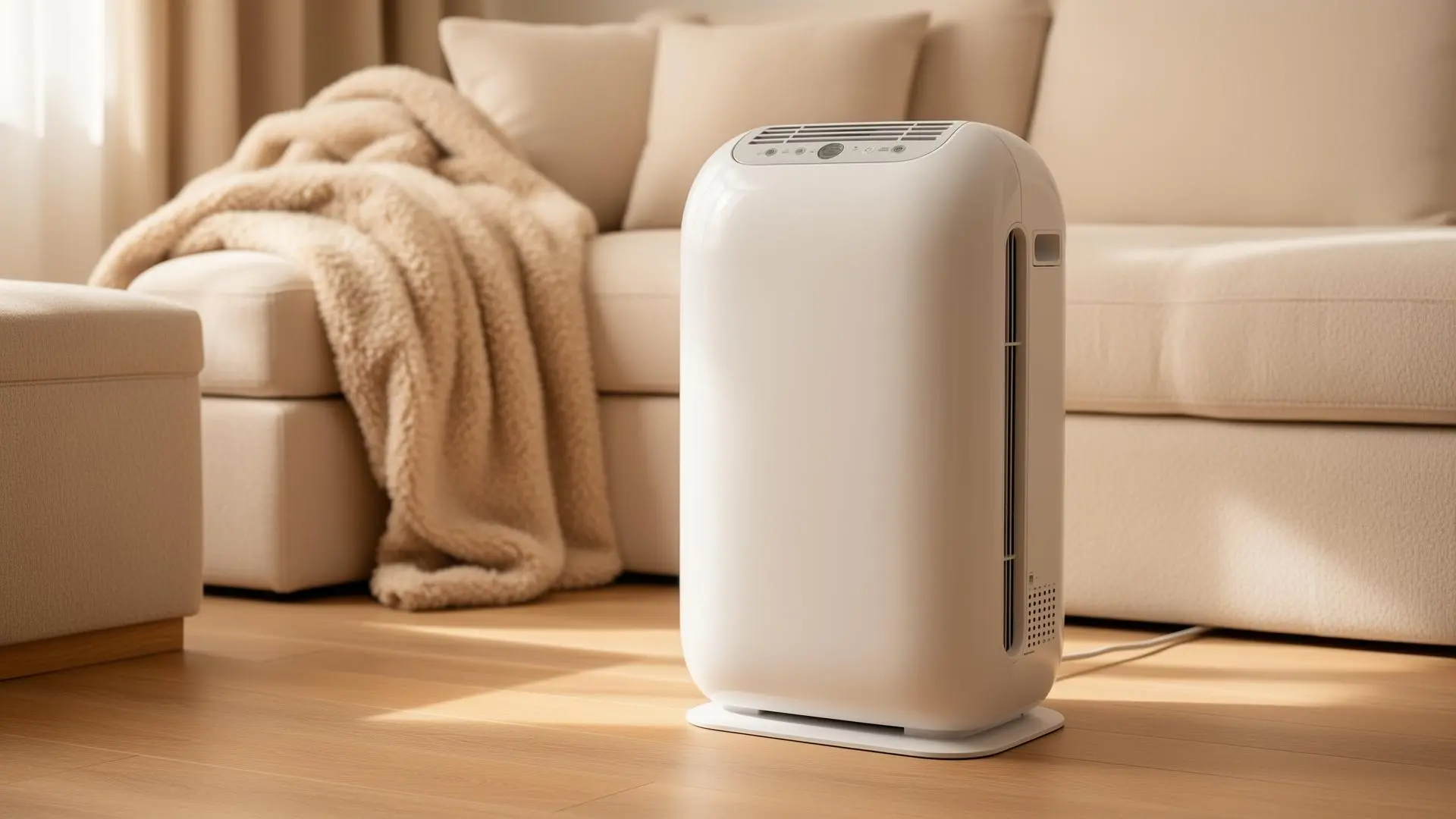


A heat pump and a space heater can both use electricity, but they do not use it the same way. A space heater creates heat with electrical resistance. A heat pump uses electricity to move heat from one place to another, which is why it can deliver much more heat per kilowatt-hour under suitable conditions.
TL;DR
- A resistance space heater has a coefficient of performance near 1: one unit of electricity becomes roughly one unit of heat.
- A modern heat pump can often deliver multiple units of heat for each unit of electricity, so it usually costs less per unit of heat.
- A space heater still makes sense for short-term zone heating, isolated cold spots or rooms where installing a heat pump is impractical.
Paid link. As an Amazon Associate, we earn from qualifying purchases at no extra cost to you.
The efficiency difference: COP
Heat pumps are measured by coefficient of performance. A COP of 3 means the system delivers about three units of heat for each unit of electrical energy used. Resistance space heaters are effectively around a COP of 1 because they create heat directly.
Why heat pumps use less electricity
A heat pump operates like an air conditioner in reverse. Instead of creating every unit of heat from electricity, it uses a refrigeration cycle to move available heat indoors. Performance drops as outdoor conditions become harder, but it can still outperform resistance heat across much of the heating season.
Where a space heater can still win
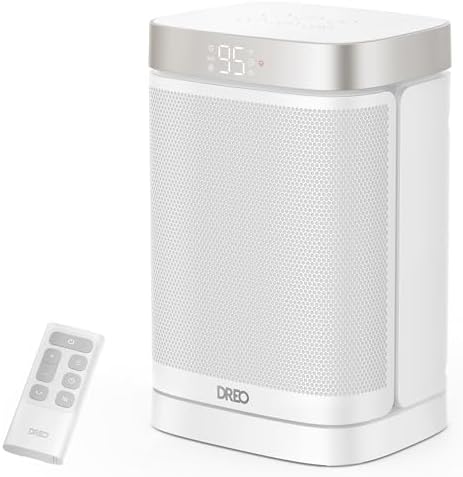
A portable heater has almost no installation cost. If you only need one small room warm for an hour or two, buying and operating a space heater can make more practical sense than installing a permanent system.

Whole-home versus zone heating
For heating multiple rooms every day, a heat pump is usually the stronger energy-cost option. For a single cold office while the rest of the home remains comfortable, a portable heater may avoid running a larger system for one zone.
Cold-weather performance
Modern cold-climate heat pumps can continue operating below freezing, but output and COP vary by model and temperature. Some systems use auxiliary resistance heat in severe cold, which reduces their efficiency advantage.
Upfront cost
Space heaters are inexpensive and plug in immediately. Heat pumps require equipment, installation and usually a much larger upfront budget, but they can provide both heating and cooling.
Which should you choose?
If you need daily heating for a large portion of the home, compare heat-pump installation and operating cost seriously. If the problem is one cold corner, occasional supplemental heat or a rental where installation is impossible, a portable heater remains useful.
Related guide
See our space heater vs central heating comparison for another whole-system perspective.
FAQs
Does a heat pump use less electricity than a space heater?
Usually yes for the same amount of delivered heat because a heat pump moves heat instead of producing it only through resistance.
Can a space heater be cheaper for one room?
Yes. Short-term zone heating can be cheaper in total if it avoids heating a much larger area.
Do heat pumps work below freezing?
Many modern systems do, especially cold-climate models, but efficiency and output depend on outdoor temperature and equipment design.
Is a heat pump also an air conditioner?
Most air-source heat pumps can provide both heating and cooling by reversing the refrigeration cycle.


