
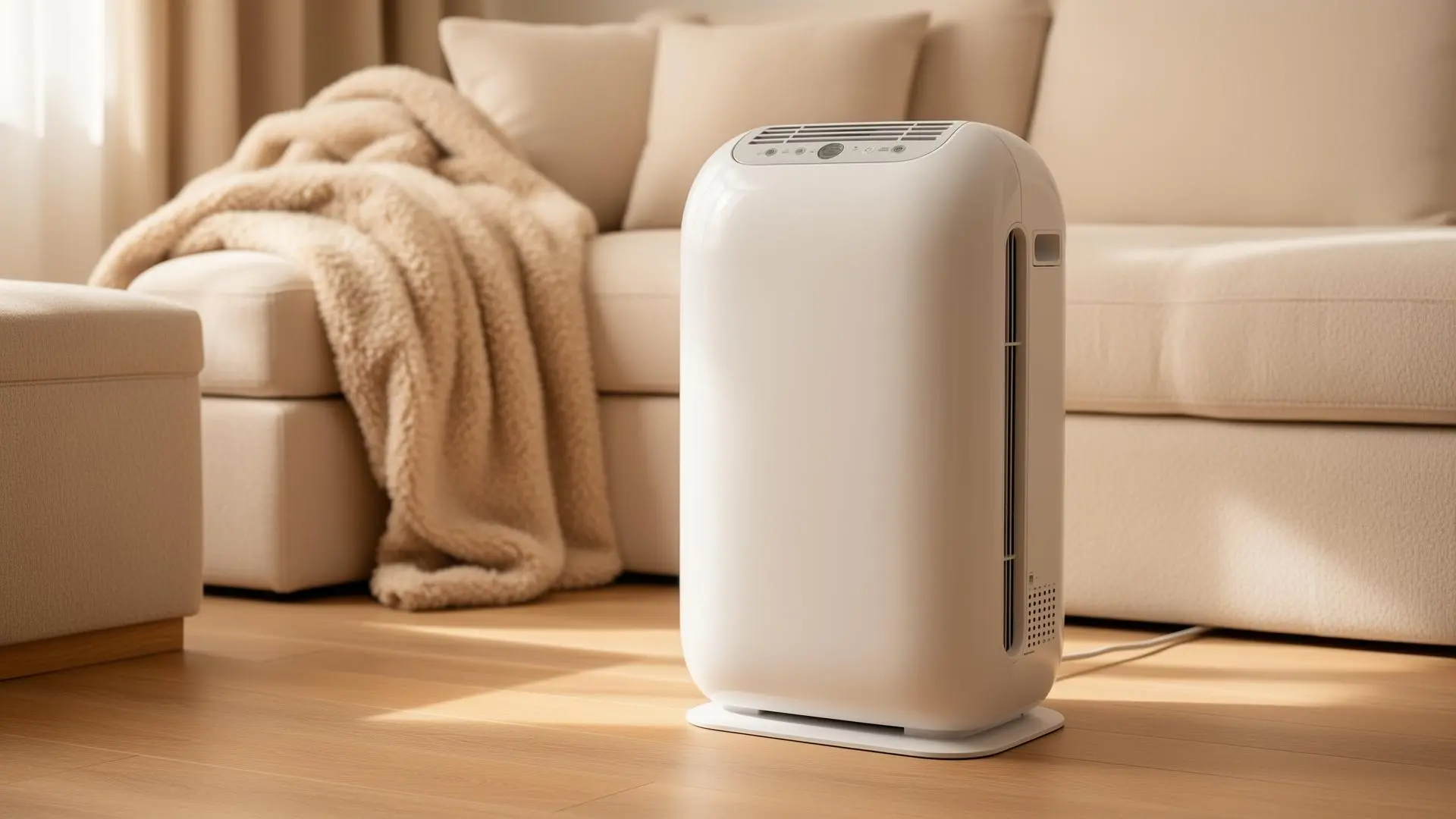


A mini split and a portable space heater can both solve a cold-room problem, but they operate on very different economics. A space heater is inexpensive resistance heat with no installation. A mini split is a heat pump that costs much more upfront but can move several units of heat for each unit of electricity consumed.
TL;DR
- A mini split usually uses less electricity per unit of heat because it moves heat rather than creating all of it through resistance.
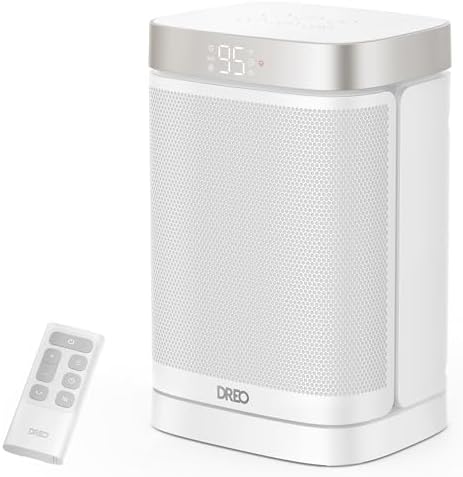
- A portable space heater costs far less upfront and is practical for occasional or temporary zone heating.
- For a room heated every day, a properly sized mini split can make more sense long term, especially because it also provides cooling.
Paid link. As an Amazon Associate, we earn from qualifying purchases at no extra cost to you.
How the two systems work
A space heater uses electric resistance heat. A mini split uses a refrigeration cycle to move heat between outdoors and indoors. That difference lets mini splits achieve a coefficient of performance above 1.
Electricity use
A 1500W space heater at full output uses 1.5 kWh per hour. A mini split may deliver the same amount of heat while using substantially less electricity, depending on outdoor temperature, equipment efficiency and operating conditions.
Upfront cost
Portable heaters can cost tens or hundreds of dollars. Mini splits require indoor and outdoor equipment, installation, refrigerant lines and electrical work, so the initial investment is much higher.

Comfort
Mini splits can maintain a room temperature continuously with quiet variable-speed operation. Space heaters are better for short bursts of heat or a specific occupied zone.
Heating one room every day
This is where a mini split becomes attractive. If the room is used daily through the heating season, lower operating cost can matter more than the initial equipment price.
Renters and temporary spaces
A portable heater is often the only practical option in a rental, temporary office or room where permanent installation is not allowed.
Cold climates
Cold-climate mini splits can work well below freezing, but performance varies by model. Space heaters keep their basic resistance output regardless of outdoor temperature as long as the electrical supply is adequate.
Cooling advantage
A mini split also works as an air conditioner. If you need both summer cooling and winter heating, the year-round value can justify installation more easily.
Which should you choose?
Choose a mini split for frequent room heating and cooling when installation is possible. Choose a space heater for occasional use, temporary heating, low upfront cost or supplemental warmth.
FAQs
Is a mini split cheaper to run than a space heater?
Usually yes for the same delivered heat because a mini split is a heat pump with a COP above 1.
Can a space heater replace a mini split?
For occasional supplemental heat, yes. For daily heating and cooling of a room, it is not an equivalent system.
Do mini splits work in winter?
Many modern cold-climate mini splits do, but capacity and efficiency vary with outdoor temperature.
Which costs less to install?
A portable space heater by a very large margin because it requires no HVAC installation.


