
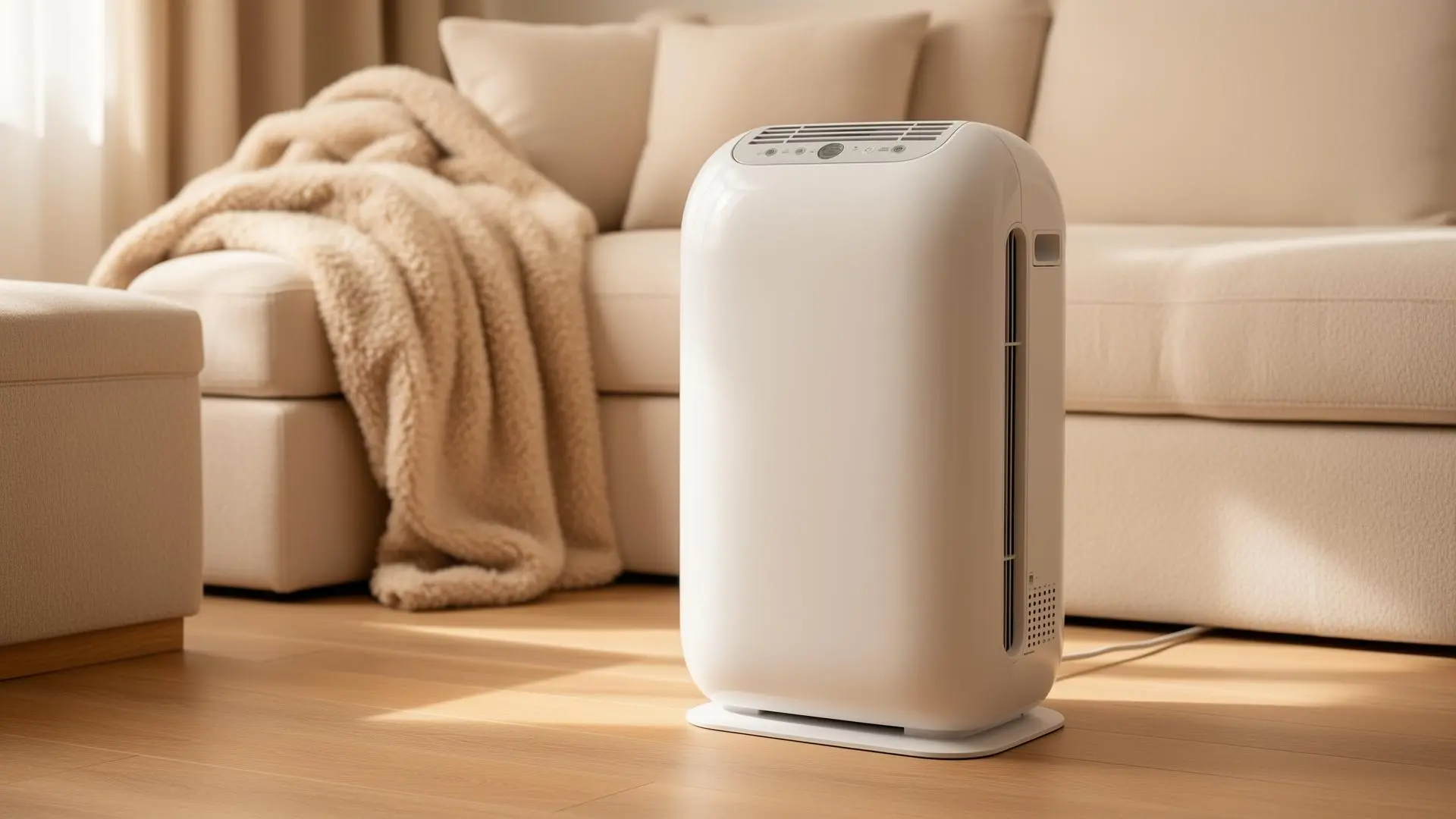


A cold bedroom in winter is usually not just a heater problem. Drafts, exterior walls, leaky windows, poor insulation and an oversized room can all make a bedroom feel cold even when the thermostat looks normal. The best heater for a cold bedroom should warm the occupied area efficiently, stay easy to control from across the room, and fit the room without creating an unsafe setup around bedding and curtains.
TL;DR
- For most cold bedrooms, a quiet 1500W ceramic or whole-room circulator is the most practical supplemental heater when the electrical circuit and room size are appropriate.
- Do not treat “overnight heater” marketing as permission to leave a portable heater running while you sleep; CPSC advises turning portable heaters off when sleeping.
- Fixing drafts and heat loss can matter as much as choosing a stronger heater, especially in older bedrooms with exterior walls or leaky windows.
This post contains affiliate links. We may earn a commission if you buy through them. As an Amazon Associate we earn from qualifying purchases.
Best heater type for a cold bedroom
For a bedroom that feels cold only during the evening, a ceramic heater is usually the easiest choice because it produces warm airflow quickly and can bring the occupied zone up to comfort faster than a slow radiator. If the room is consistently cold for hours at a time, an oil-filled radiator can provide gentler, quieter heat, while a Vornado-style whole-room circulator can be useful when the problem is uneven temperature rather than a cold spot beside the bed.
What matters more than the wattage label
Most full-size plug-in electric space heaters in the U.S. top out around 1500W. That means two heaters with the same maximum wattage do not differ dramatically in raw electrical heat output. The meaningful differences are thermostat control, airflow, oscillation, noise, safety features and how well the heater distributes heat through your bedroom.
Why bedrooms feel colder in winter
- Exterior walls and windows lose heat faster than interior partitions.
- Air leaks around windows, doors and baseboards create cold drafts.
- Large windows can produce a “cold radiation” effect even without obvious airflow.
- Closed bedroom doors can reduce warm-air circulation from a central system.
- Poor attic or wall insulation increases heat loss during long cold periods.
A practical setup for a cold bedroom
Start by placing the heater on a stable, level surface where its intake and outlet remain clear. CPSC recommends at least three feet of clearance from bedding, curtains, furniture, clothing and other combustible materials, and advises plugging portable electric heaters directly into a wall outlet rather than a power strip or extension cord. The agency also advises turning portable heaters off when sleeping.

Ceramic heater vs oil-filled radiator for a bedroom
Choose ceramic when you want faster warm air, easier portability and a compact footprint. Choose oil-filled when fan noise bothers you and you prefer slow, steady heat during waking hours. A radiator can feel calmer in a bedroom, but it also takes longer to warm up and its exterior still needs safe clearance.
How to make the heater work less
Close obvious air leaks, use properly fitted curtains without allowing fabric near the heater, keep doors positioned to support the airflow you want, and avoid setting the heater temperature unnecessarily high. Supplemental heating works best when you reduce heat loss first instead of asking a portable heater to compensate for a continuously leaking room envelope.
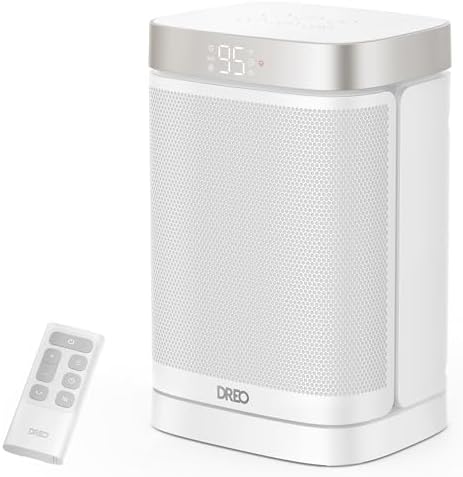
Who should consider the Dreo Atom One
The Dreo Atom One is a sensible fit for a cold bedroom when you want a compact ceramic heater with oscillation, a digital thermostat, remote control and a timer. Its value is convenience and distribution rather than unusually high wattage. If you want more whole-room circulation, compare it with our best Vornado space heaters; if you prefer slower fanless heat, see our oil-filled radiator guide.
Bedroom heater safety in winter
Keep the three-foot clearance rule around the heater, never route the cord under a rug, and stop using a heater if the plug or wall outlet becomes unusually hot, discolored or loose. If a bedroom repeatedly trips a breaker, the answer is not a larger power strip; the electrical load and circuit should be checked.
Final verdict
For a cold bedroom in winter, a quiet ceramic heater with thermostat control is the best starting point for most people, but the room itself matters just as much. Seal drafts, keep the heater safely clear of bedding, and use it as supplemental heat while you are awake rather than as an unattended overnight appliance.
FAQs
What is the best space heater for a cold bedroom?
A quiet ceramic heater with thermostat control is a strong all-around choice for quick supplemental heat. Oil-filled radiators are attractive when low fan noise and steady heat matter more than speed.
Can I leave a bedroom space heater on while sleeping?
CPSC advises turning portable heaters off when sleeping. Follow the manufacturer instructions and do not treat timers or tip-over switches as a substitute for safe operation.
Is 1500W enough for a bedroom?
Often, but room size, insulation, outdoor temperature, ceiling height and drafts can change the result. A 1500W heater cannot compensate efficiently for severe heat loss.
Where should I place a heater in a bedroom?
Use a stable, level surface with clear airflow and at least three feet of space from bedding, curtains, furniture and other combustible materials.
Is a ceramic heater or radiator better for a bedroom?
Ceramic heaters warm the occupied area faster. Oil-filled radiators are slower but quieter and produce gentler heat.
How can I make a cold bedroom warmer without running the heater constantly?
Reduce drafts, improve window and door sealing, use appropriate insulation measures and avoid blocking central HVAC registers or return airflow.


