
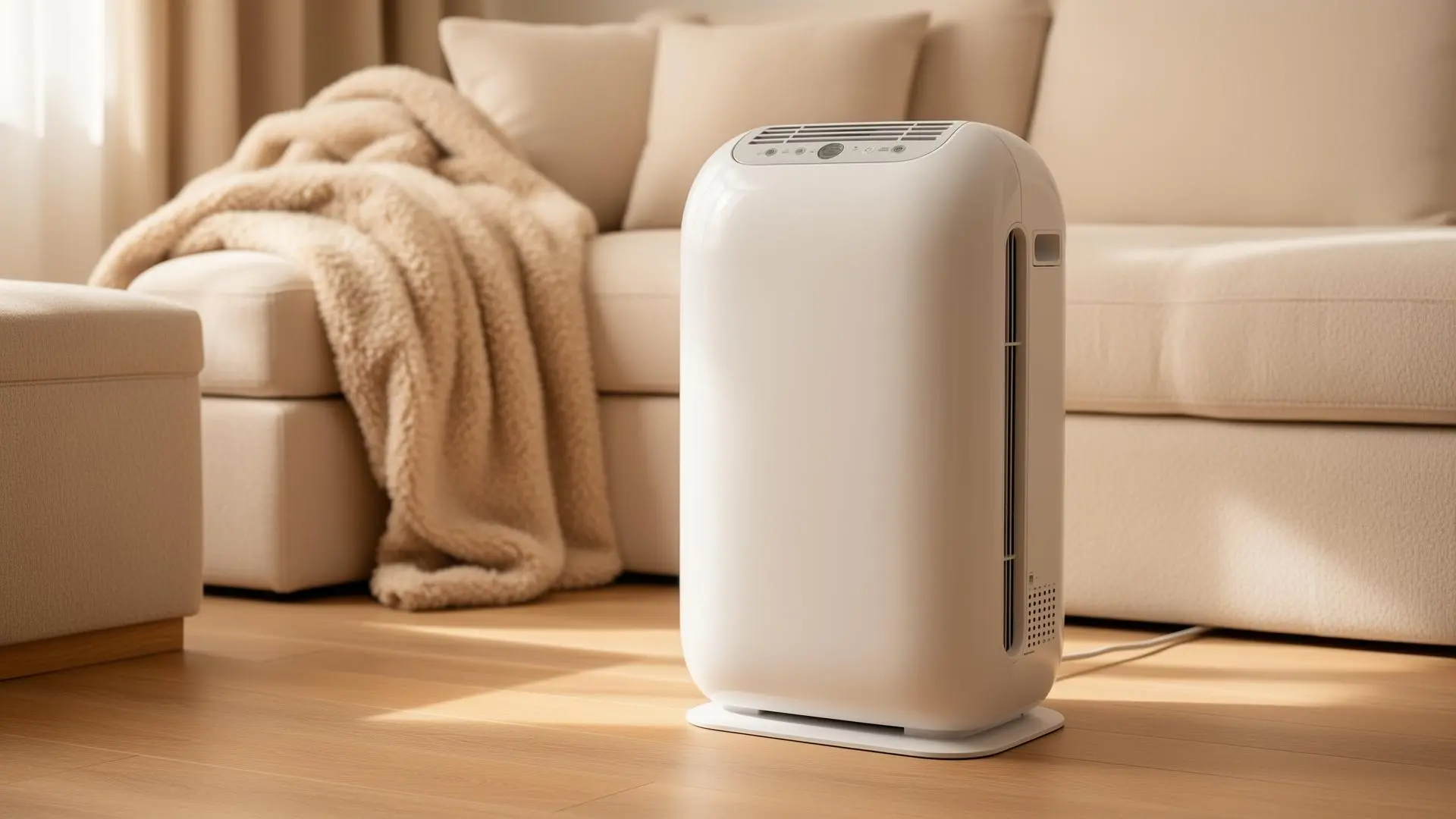


Ceramic-core radiators are electric heaters built around a heat-retaining ceramic mass rather than the small ceramic elements used in portable fan heaters. They can provide steady, silent warmth and retain heat after the element cycles off, but they are not magically cheaper per kilowatt-hour than other resistance heaters.
TL;DR
- Ceramic-core radiators are good for steady room heating, silent operation and controlled heat release.
- Their main benefit is thermal mass: the ceramic core stores heat and releases it gradually, which can smooth temperature swings.
- They still use electric resistance heating, so the biggest cost savings come from good thermostats, zoning and avoiding unnecessary runtime.
Paid link. As an Amazon Associate, we earn from qualifying purchases at no extra cost to you.
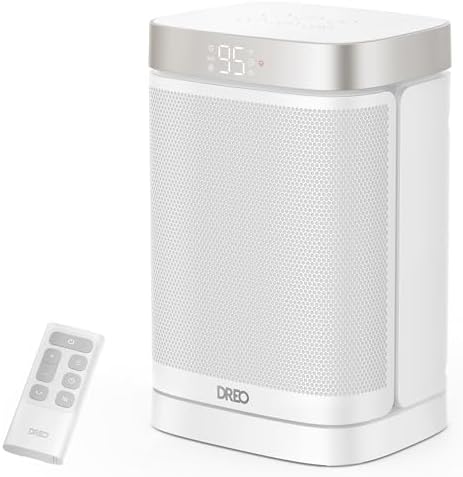
What is a ceramic-core radiator?
A ceramic-core radiator contains a dense ceramic block or stone heated by an electrical element. The ceramic stores heat and then releases it through a mix of radiation and convection. This is different from a small ceramic fan heater, which uses a lightweight ceramic element and a fan for rapid airflow.
Why people like them
The appeal is comfort rather than raw output. Ceramic-core radiators are quiet, have no high-speed fan, and continue releasing stored heat after the element cycles off. That makes them suitable for bedrooms, offices and living rooms where stable temperature matters.
Heat retention
Thermal mass can reduce rapid on-off temperature swings. It does not create free energy, but it changes how heat is delivered over time. A radiator that stays warm after the element switches off may feel more consistent than a fan heater that stops producing noticeable warmth immediately.

Running cost
A 1000W ceramic radiator using full power for one hour consumes about 1 kWh. A 1500W unit consumes up to 1.5 kWh per hour at full output. Thermostats and schedules can reduce actual runtime, but electricity price and total watt-hours determine cost.
Ceramic radiator vs oil-filled radiator
Both favor quiet, steady room heating. Oil-filled radiators store heat in sealed oil and metal fins, while ceramic-core models store heat in ceramic material. Ceramic-core designs can be slimmer or wall mounted, while portable oil-filled units are often easier to move.
Ceramic radiator vs fan heater
A fan heater gives faster perceived warmth and usually costs less upfront. A ceramic-core radiator is better for longer heating sessions where noise, stable temperature and comfort matter more than instant warm air.
Pros
Quiet operation, steady comfort, heat retention, clean wall-mounted designs, accurate digital controls on many models, and no fuel combustion inside the room.
Cons
Higher purchase cost than basic portable heaters, slower response than fan heaters, and no inherent electricity-cost miracle because the heating element still uses resistance heat.
Who should buy one?
A ceramic-core radiator makes sense for a frequently used room where you want quiet, controlled heat for several hours at a time. For occasional five-minute warm-ups, a compact ceramic fan heater is usually more practical.
FAQs
Are ceramic radiators energy efficient?
They convert electricity into heat very effectively at the appliance, but running cost still depends on wattage, thermostat cycling and electricity prices.
Do ceramic radiators stay warm after switching off?
Yes. The ceramic core stores heat and can continue releasing warmth after the electrical element cycles off.
Are they better than oil-filled radiators?
Not universally. Ceramic-core radiators can offer strong heat retention and slim installation, while oil-filled radiators are widely available and portable.
Do ceramic radiators make noise?
Most ceramic-core radiators are very quiet because they do not depend on a high-speed fan.


