
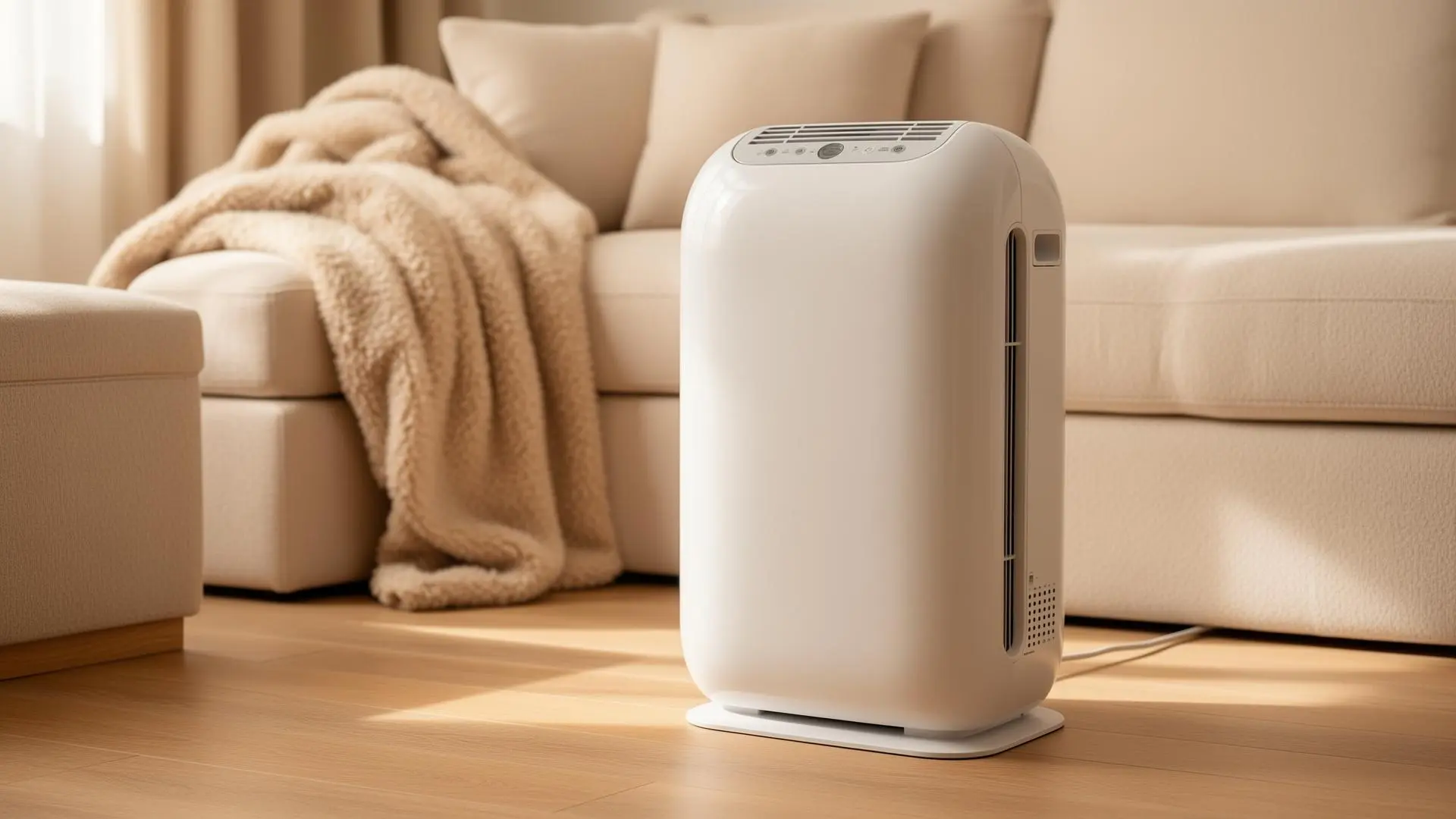


The challenge of maintaining a comfortable temperature in a residential basement is fundamentally different from heating any other part of a home. Basements are uniquely susceptible to the laws of thermodynamics because they are literally surrounded by a massive heat sink: the earth. While an upstairs bedroom might lose heat through air gaps in a window, a basement loses heat through its entire floor and wall structure via conduction into the soil. For the buying decision behind this topic, compare our Best Space Heater for Poorly Insulated Rooms.
This creates a persistent chill that often makes these spaces feel uninviting or even unusable during colder months. For anyone looking to reclaim their basement as an office, a playroom, or a media center, the primary tool for comfort is the focus of this analysis: the search for the best space heater for basement environments.
Most homeowners realize very quickly that their central heating system is not up to the task of warming a subterranean level. Central furnaces are typically zoned for the upper floors, and since heat naturally rises, any warmth pumped into a basement often escapes up the stairwell before it can actually warm the living space. This leads to the settle of cold, stagnant air that feels heavy and damp.
The concrete walls and floors, which have high thermal mass, absorb what little heat is present and pull it away from the room, keeping surfaces freezing to the touch. This is why supplemental heating is not just a luxury but a necessity for basement dwellers.
The environmental conditions of a basement also introduce secondary complications like high relative humidity. Damp air can feel significantly colder than dry air at the same temperature, a phenomenon often described as a bone chilling cold. When choosing a heating solution, one must consider how a device interacts with this moisture.
Some heaters might help circulate air to reduce stagnant dampness, while others provide direct radiant warmth that cuts through the humidity to warm the occupants directly. Understanding these nuances is the key to moving from a shivering basement experience to a cozy one.

Paid link. As an Amazon Associate, we earn from qualifying purchases at no extra cost to you.
TL;DR
- When time is limited, a quick comparison of available technology helps narrow the field. The following units have been selected based on their performance in subterranean conditions, safety profiles, and consumer reliability scores.
- Choose by the room and use case first, then compare wattage, thermostat control, noise, safety features, size and current warranty/model details.
- A higher price does not automatically mean lower electricity use; for electric resistance heaters, runtime and thermostat control matter more than marketing claims.
- Before buying, verify the exact model, safety listing, current price and manufacturer instructions because retailer listings can change.
Scannable Summary of Top Supplemental Heating Units
When time is limited, a quick comparison of available technology helps narrow the field. The following units have been selected based on their performance in subterranean conditions, safety profiles, and consumer reliability scores.
| Product Name | Best For | Key Strength |
| Dr. Infrared Heater (DR-968) | Large Open Basements | Hybrid heating technology for even warmth |
| Dreo Solaris Slim H3 | Small Finished Offices | Rapid heat up with whisper quiet fan |
| DeLonghi Dragon (TRD40615E) | Long Term Daily Use | Excellent heat retention and no noise |
| Heat Storm Phoenix | Wall Mounted Safety | Space saving design with smart Wi-Fi |
| Vornado Velocity 5 | Circulating Air Pockets | Powerful vortex air movement |
| Shark TurboBlade | Multi Season Comfort | Fan and heater combo with oscillation |
| Lasko Designer Series | Modern Decor | Ceramic heat with a decorative look |
| Pelonis Oil-Filled Radiator | Budget Even Heat | Stable base and very safe for pets |
| Dreo Solaris Tower 818 | Quiet Productivity | Vertical heat distribution at 25dB |
| Stelpro Baseboard Heater | Permanent Zoning | Consistent heat for finished rooms |


Evaluation Snapshot of Subterranean Heating Systems
The evaluation of these heating units involved more than just looking at wattage. Since all electric space heaters convert electricity to heat at nearly 100 percent efficiency, the real difference lies in how they distribute that heat. Testing focused on three primary areas: the speed of heat delivery, the ability to maintain a steady temperature against concrete thermal loss, and long term safety in potentially damp environments.
Specific attention was paid to noise levels, as many basements serve as home offices where loud fans can interfere with professional calls. Additionally, units were assessed on their “throw” distance, which refers to how far the heated air can travel before it loses its velocity and rises to the ceiling. For basements with high ceilings or large open layouts, this metric is often more important than the heater’s raw heat output.
The Essential Guide to Choosing a Basement Space Heater
Selecting a heater for a basement requires more than just checking the price tag. Because of the unique subterranean environment, certain features that are optional in an upstairs bedroom become critical in the basement. Understanding the physics of how these machines work will help you avoid the frustration of buying a unit that simply can’t keep up with the cold.
Understanding Heat Transfer in Subterranean Spaces
There are three ways heat moves: conduction, convection, and radiation. In a basement, all three are at play. Conduction is your enemy here; it is the process of heat moving from your warm room into the cold concrete walls. To fight this, you need a heater that uses either convection or radiation effectively.
Sizing Your Heater Correctly
A common mistake is buying a heater that is too small for the space. Most portable heaters are 1,500 watts, which is the limit for a standard household outlet. A 1,500 watt heater is generally rated for a 150 to 200 square foot room with standard eight foot ceilings. If your basement is larger than that, or if you have very high ceilings, a single heater will struggle to make a difference.
The Impact of Humidity on Comfort
Basements are naturally damp, and high humidity makes air feel colder than it actually is. If your heater is running constantly but you still feel a chill, the problem might be moisture. Running a dehumidifier alongside your space heater can make a massive difference. By removing the excess water from the air, you allow the heater to work more effectively, and the room will feel several degrees warmer without you having to turn up the thermostat.
Safety Features That Matter
In a basement, where you might be using the heater for long periods or where it might be placed in a high traffic area, safety features are non negotiable. Every unit you consider should have:
Who Should Buy a Basement-Specific Space Heater?
These heaters are not just for people with finished basements. They are essential tools for several different types of homeowners. If you fit into one of these categories, a dedicated basement heater will be a high value investment:
- The Remote Worker: If your home office is in the basement, you need a quiet, reliable heater that keeps you comfortable during long shifts without making a lot of noise on your calls.
- The Workshop Enthusiast: If you spend time woodworking, crafting, or working on cars in an unfinished basement, a rugged infrared or utility heater can provide targeted warmth even in drafty conditions.
- The Family Gamer: If your kids use the basement as a playroom or media center, a safe, cool to the touch tower heater or the Dr. Infrared cabinet model is the best choice to keep them warm while they play.
- The Storage Organizer: Even if you don’t live in your basement, keeping a low heat baseboard or oil radiator running can prevent pipes from freezing and protect sensitive stored items from extreme temperature swings.
Final Thoughts on Reclaiming Your Cold Basement
Finding the best space heater for basement use is about matching the technology to your specific environment. If you have a large, open area that always feels drafty, a hybrid unit like the Dr. Infrared DR-968 provides the power and reach you need. For those in smaller, finished offices, a quiet ceramic tower like the Dreo Solaris H3 offers rapid warmth without the distraction of a loud fan. If you prefer a silent, set it and forget it approach, an oil filled radiator from DeLonghi is the gold standard for steady comfort.
The most important factor is to remember that heating a basement is a team effort. A great space heater works much better when supported by basic insulation and moisture control. By sealing air leaks, using a dehumidifier, and following all electrical safety rules, you can transform your basement from a chilly storage zone into a warm and inviting part of your home. Take the time to assess your space, choose the right technology, and enjoy a much cozier winter season.
Frequently Asked Questions
Can I use a space heater in a damp basement?
You should only use a space heater in a basement that is dry. If there is standing water or active leaks, any electrical appliance poses a serious shock hazard. For damp air, use a dehumidifier alongside your heater to improve comfort safely.
Why is my basement still cold with the heater on?
This is usually due to poor insulation or air leaks. If your rim joists are uninsulated or if windows are drafty, the heat your unit produces is escaping as fast as it is made. Sealing these gaps will make your heater much more effective.
Do I need a special outlet for a basement space heater?
Most portable heaters work with a standard 120V outlet. However, ensure the outlet is in good condition and not loose. If the plug feels hot after use, stop using that outlet and call an electrician.
Which heater is best for an unfinished concrete basement?
Infrared heaters, like the Dr. Infrared or Heat Storm models, are usually best for unfinished spaces because they warm objects and people directly, rather than trying to heat the air in a space where it might escape.
Are oil filled radiators better than ceramic heaters for basements?
It depends on your goal. Oil filled radiators are better for silent, long term, steady warmth. Ceramic heaters are better for quick, powerful heat in short bursts.
How much will it cost to run a basement space heater?
A 1,500 watt heater running for eight hours a day will use 12 kilowatt hours of electricity. Depending on your local utility rates, this usually costs between $1.50 and $3.00 per day.
Can a space heater prevent basement pipes from freezing?
Yes, a heater with a thermostat can be set to a low “freeze protection” setting (usually around 45 to 50 degrees). This will cycle the heater on only when needed to keep the temperature above the freezing point.
Do I need more than one heater for my basement?
If your basement is larger than 300 square feet and is an open layout, one portable heater likely won’t be enough. Using two heaters on separate electrical circuits is often necessary for total comfort.


