
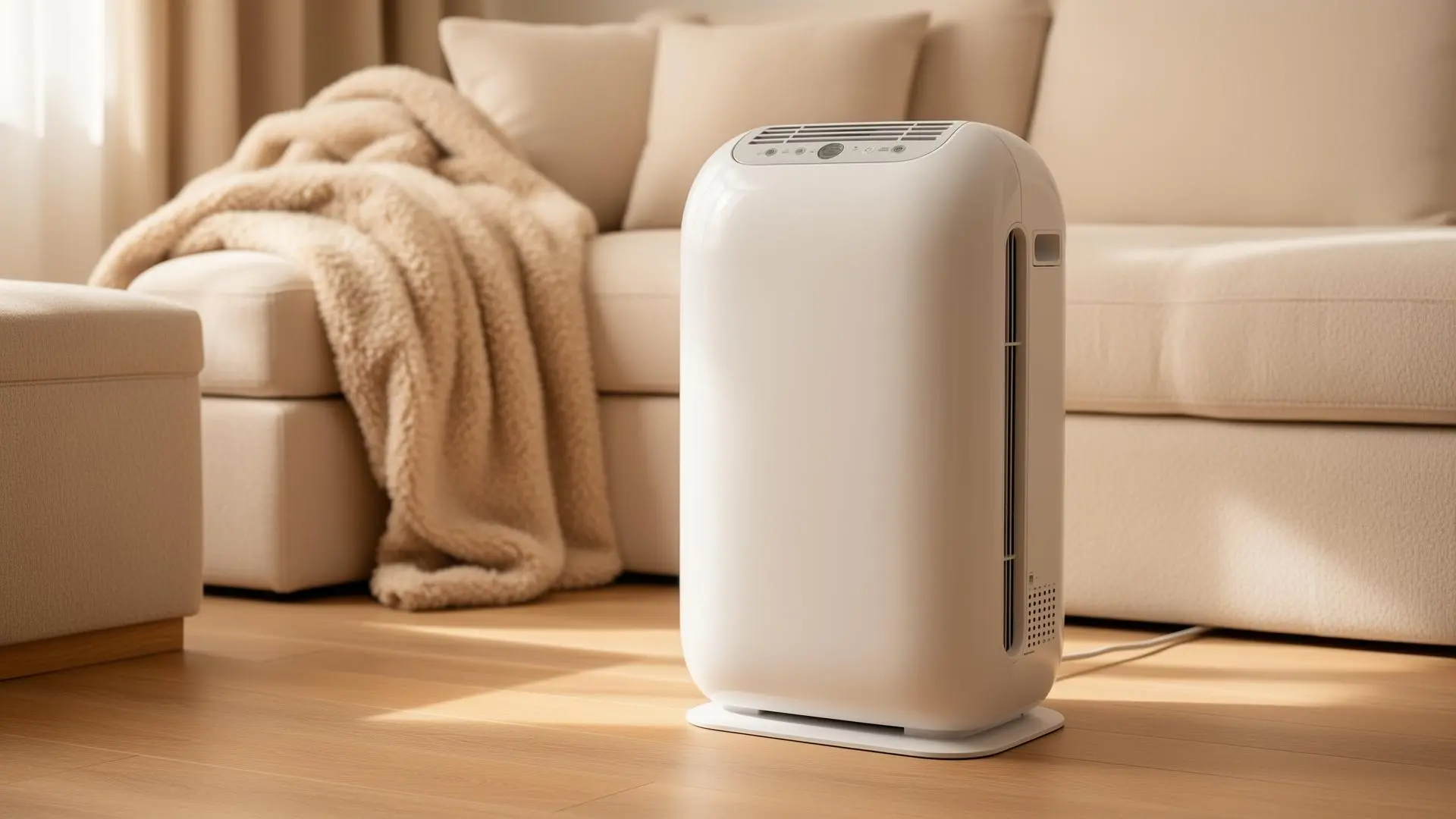


A winter cabin creates a different heating problem from a normal bedroom. Cabins can sit unused for days, cool completely between visits, have limited electrical service and lose heat quickly through floors, windows and exterior walls. The best space heater for a cabin in winter depends on whether you have reliable electricity, how well the cabin is insulated and whether you need quick warm-up or steady background heat.
TL;DR
- For an electrified cabin, a thermostat-controlled 1500W ceramic or whole-room heater is practical for occupied-zone heat, while an oil-filled radiator suits slower, quieter warming.
- Do not use a portable electric heater to “protect” an unattended cabin for days unless the manufacturer and installation explicitly support that use; permanent freeze protection is a different job.
- Combustion heaters require ventilation, fuel-handling and carbon-monoxide precautions that do not apply to standard electric resistance heaters.
This post contains affiliate links. We may earn a commission if you buy through them. As an Amazon Associate we earn from qualifying purchases.

What makes cabin heating different?
A cabin that starts near outdoor temperature takes time to warm because the furniture, walls and floor are cold too. A 1500W electric heater can make the occupied zone comfortable, but it may not quickly raise the temperature of a large, poorly insulated cabin. Draft sealing and insulation often determine whether portable heat feels effective.
Best electric heater type for a winter cabin
A ceramic heater is best when you arrive to a cold cabin and want fast warm airflow. A Vornado-style circulator is useful when you want to mix warm air around one main room. An oil-filled radiator is slower but comfortable for longer stays where quiet operation matters. If the cabin is large or divided into several rooms, one plug-in heater may not be enough.
Electrical service is the first check
Older cabins may have limited circuits, loose receptacles or shared loads. A typical 1500W heater is a significant electrical load. Plug portable heaters directly into a sound wall outlet and stop if the plug or receptacle becomes unusually hot. Do not solve a circuit problem with an extension cord or power strip; CPSC advises against both for portable electric heaters.

Why the Vornado AVH10 fits many cabins
The Vornado AVH10 is relevant for a small electrified cabin because its whole-room circulation, thermostat and automatic climate control help distribute heat without requiring a tall tower. It is still a 120V portable heater, so expectations should stay realistic in a large, uninsulated cabin. Compare it with our Vornado AVH10 review and heater guide for poorly insulated rooms.
Cabin safety during winter
CPSC recommends at least three feet of clearance from bedding, curtains, furniture, clothing and other combustible materials. Place the heater on a stable level surface and turn portable heaters off when sleeping or leaving the room. For any fuel-burning heater or appliance, carbon-monoxide safety becomes essential; working CO alarms are part of the winter safety setup.
Portable heater vs permanent cabin heat
If the cabin must remain above freezing while nobody is there, a portable room heater is not automatically the right solution. A professionally installed fixed electric system, mini split or other heating system designed for unattended temperature maintenance may be more appropriate. The choice depends on climate, electrical service, plumbing and local code.
How to make a cabin warm faster
- Seal obvious door and window drafts before the trip.
- Close unused rooms if doing so does not create plumbing-freeze or ventilation problems.
- Use insulated window coverings while maintaining heater clearance.
- Warm the occupied room first rather than trying to heat every space immediately.
- Keep HVAC, fireplace or heater airflow paths clear.
Final verdict
For most small electrified cabins, a thermostat-controlled ceramic or whole-room electric heater is the simplest supplemental option. The bigger decision is whether the cabin is insulated well enough and wired safely enough for portable heat to be useful. If the building must stay warm unattended, consider a fixed heating solution rather than treating a portable heater as freeze protection.
FAQs
What is the best space heater for a cabin in winter?
For a small electrified cabin, a thermostat-controlled ceramic or whole-room circulator is a practical choice for quick supplemental heat.
Will a 1500W heater heat a cabin?
It can heat a small insulated cabin or occupied zone, but large, open or poorly insulated cabins may need more heating capacity or a permanent system.
Can I leave a cabin space heater running when I am away?
Portable heaters should not automatically be used as unattended freeze-protection systems. Follow manufacturer instructions and consider a fixed system designed for that purpose.
Is a propane heater better for a cabin?
Propane can provide high heat where electricity is limited, but combustion introduces ventilation, fuel and carbon-monoxide hazards. Use only heaters approved for the intended indoor environment.
Do I need a CO alarm with an electric space heater?
Electric resistance heaters do not produce combustion gases, but cabins with fireplaces, fuel-burning appliances or generators should have working CO alarms.
How do I warm a cabin faster after arriving?
Reduce drafts, close appropriate unused spaces, warm the occupied zone first and use a heater with strong airflow rather than trying to heat the entire building immediately.


