
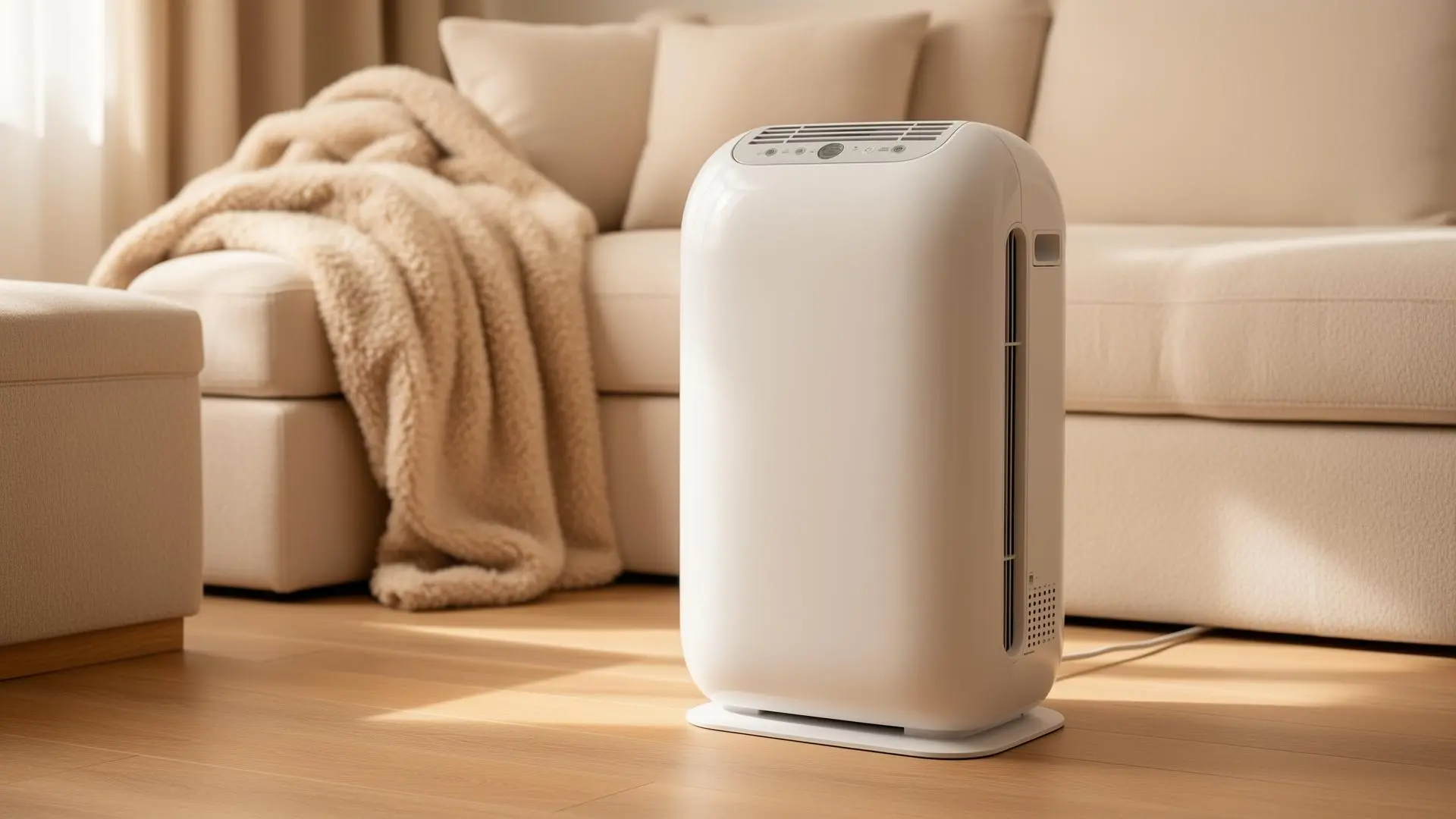


An extremely cold room is usually not a heater problem alone. Poor insulation, large windows, exterior walls, high ceilings and air leakage can overwhelm a normal 120V portable heater. The best space heater for an extremely cold room is therefore one that matches the way you use the room: fast ceramic heat for quick warm-up, whole-room circulation for occupied living spaces, or slower oil-filled heat for long quiet sessions.
TL;DR
- For fast warm-up, choose a 1500W ceramic heater with a thermostat and broad airflow.
- For more even room comfort, Vornado-style circulation or a tall oscillating heater can distribute heat better than a tiny personal heater.
- If the room remains freezing despite continuous heating, fix drafts/insulation or move to a properly sized permanent heating solution rather than expecting more from one plug-in heater.
This post contains affiliate links. We may earn a commission if you buy through them. As an Amazon Associate we earn from qualifying purchases.
Our top heater types for very cold rooms
Most U.S. plug-in heaters top out around 1500W. That means the biggest differences are heat delivery, thermostat control and how effectively the heater spreads warmth through the occupied area.
1. Dreo Whole Room Heater 715 — best for broad heat distribution

The Dreo 715 is useful when the problem is not just producing heat but moving it across a bedroom or living room. Its whole-room design and multidirectional oscillation can reduce the hot-near-the-heater/cold-across-the-room effect. It is still a 1500W class heater, so do not mistake wider distribution for unlimited heating capacity.
2. Vornado Velocity 5R — best for strong room circulation
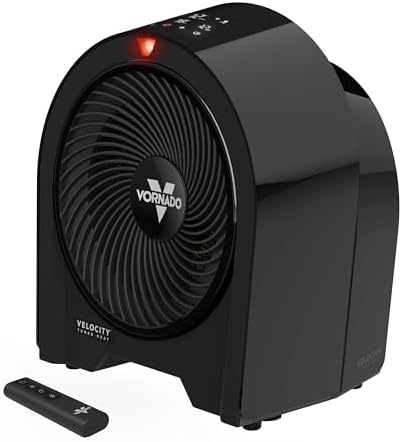
Vornado’s Velocity line focuses on pushing heated air farther into the room. That can be useful in a cold room where warmth tends to stay concentrated around the heater. A digital thermostat also makes it easier to maintain a target temperature once the room starts warming.

3. DeLonghi EW7707CM oil-filled radiator — best for long, quiet heating

An oil-filled radiator is slower to feel warm, but it is a good fit for a room used for several hours at a time. It produces no normal fan noise and the heated metal body continues releasing heat between thermostat cycles. It is less suitable when you walk into a freezing room and want immediate hot airflow.
What makes a room “extremely cold”?
A room can feel unusually cold because of exterior exposure, insufficient insulation, leaky windows or doors, blocked HVAC registers, high ceilings or an undersized central heating system. ENERGY STAR identifies drafty rooms and uneven room temperatures as common signs that air sealing or insulation may need attention.
If your room is cold because heat escapes almost as fast as you add it, a larger-looking space heater will not solve the underlying problem. Start by sealing obvious drafts and making sure central heating airflow is not blocked.
Ceramic vs oil-filled vs infrared in severe cold
- Ceramic: quickest noticeable heat and best for short sessions.
- Oil-filled radiator: slower, quieter and comfortable for long occupied periods.
- Infrared: useful for direct warmth when room air is difficult to heat evenly.
- Whole-room fan/circulator: useful when distribution is the main problem.
Do you need more than 1500W?
In a very large or poorly insulated room, one 120V plug-in heater may not keep up with heat loss. Adding multiple high-wattage heaters can create electrical-load problems if they share a circuit. A fixed 240V heater, mini split, heat pump or properly sized central system may be the better solution for a consistently freezing space.
Our 500 sq ft heater guide explains why room size and insulation matter more than marketing coverage claims. For cold garages, use our uninsulated garage heater guide instead.
Safety in very cold rooms
Do not compensate for poor heating by placing a heater too close to a bed, curtain or chair. CPSC recommends at least three feet of clearance from combustible materials, plugging electric heaters directly into a wall outlet and turning portable heaters off while sleeping.
Bottom line
The best space heater for an extremely cold room depends on what is making the room cold. For fast heat, choose a ceramic model. For wider distribution, choose a whole-room circulator or oscillating tower. For long quiet use, an oil-filled radiator is often more comfortable. If the room still cannot hold heat, fix insulation or use a permanently sized heating system instead of stacking portable heaters.
FAQs
What is the best space heater for a freezing room?
A 1500W ceramic heater with a thermostat is a strong choice for fast warm-up. For more even room comfort, consider a whole-room circulation model. For long quiet use, an oil-filled radiator can be better.
Will a 1500W heater warm an extremely cold room?
It can improve comfort, but the result depends on room size, insulation, drafts, ceiling height and outdoor temperature. A very large or poorly insulated room may need a permanent higher-capacity heating system.
Is infrared better for very cold rooms?
Infrared heat can feel effective when you want direct warmth without first heating all the room air. It is especially useful for spot heating, but it may not create even whole-room comfort by itself.
Are oil-filled radiators good in winter?
Yes, especially for long occupied sessions where quiet, steady heat matters. They warm more slowly than ceramic fan heaters.
Can I use two space heaters in one cold room?
Using multiple high-wattage heaters can overload household circuits if they share the same circuit. Check electrical capacity and consider a properly sized permanent heater instead.
Why is one room still cold with a heater running?
Common causes include drafts, poor insulation, high ceilings, blocked HVAC airflow or a room that simply loses heat faster than the heater can replace it.

