
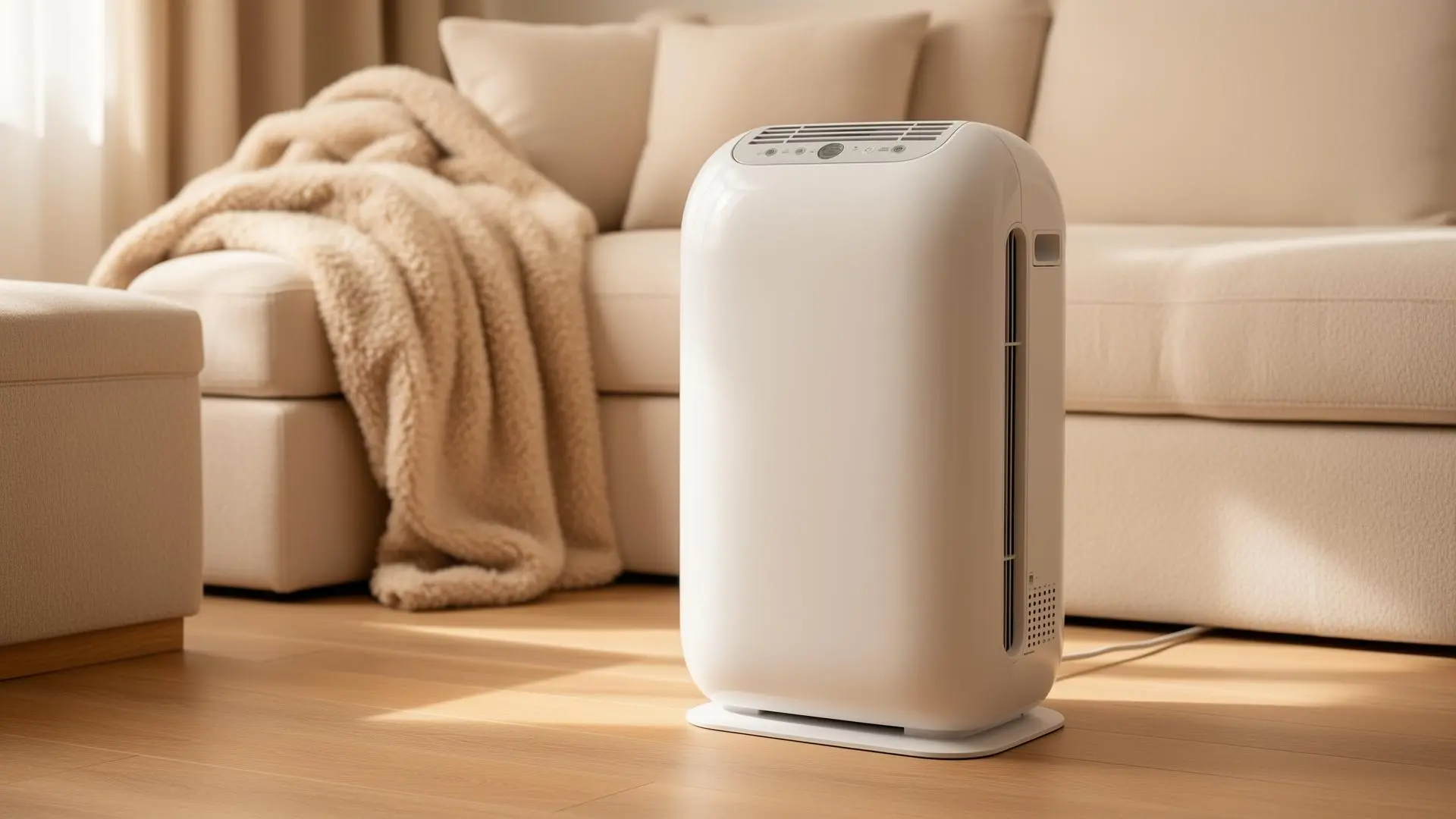


When central heat is unavailable or a small area of plumbing runs through an unheated space, frozen pipes can become expensive quickly. The safest strategy is prevention: insulate vulnerable pipes, reduce cold-air exposure and maintain enough background heat around plumbing before temperatures fall. A space heater can sometimes provide temporary local heat, but it should not be treated as a substitute for pipe insulation or listed heat cable.
TL;DR
- Insulate vulnerable pipes and seal cold-air leaks before relying on supplemental heat.
- The American Red Cross recommends UL-listed heat tape or heat cable where appropriate and advises keeping home heat at least 55°F when away during cold weather.
- If using a portable electric heater near plumbing, keep it dry, clear of combustibles and attended; never use an open flame to thaw frozen pipes.
This post contains affiliate links. We may earn a commission if you buy through them. As an Amazon Associate we earn from qualifying purchases.
Which pipes freeze first?
The American Red Cross identifies pipes in unheated basements, crawl spaces, attics, garages, kitchen cabinets and exterior walls as common freezing risks. Outdoor hose connections and other exposed lines are also vulnerable. Water expands when it freezes, and that expansion can rupture metal or plastic pipe.
Best ways to keep pipes from freezing
- Insulate exposed hot and cold water pipes with appropriate pipe sleeves or insulation.
- Use listed heat tape or heat cable only as directed for the pipe and location.
- Keep garage doors closed when water lines run through the garage.
- Open sink cabinet doors during severe cold so warmer room air can reach plumbing.
- During very cold weather, a small trickle from the vulnerable faucet can help keep water moving.
- If leaving home during cold weather, the Red Cross recommends leaving heat on and setting the thermostat no lower than 55°F.
Can a space heater prevent frozen pipes?
A space heater can temporarily warm the air around vulnerable plumbing in an accessible, dry area, but it is not a set-and-forget pipe-protection device. It requires normal portable-heater clearances and safe electrical use. A purpose-built listed heat cable provides more targeted freeze protection when installed correctly.
Using a heater near pipes safely
Keep the heater away from water, leaks, paper, stored boxes, insulation facing and other combustibles. Place it on a stable surface and plug it directly into a wall outlet. CPSC advises against power strips and extension cords for portable electric heaters and recommends at least three feet of clearance from combustible materials. Do not leave a portable heater running unattended.

How to thaw a frozen pipe safely
The Red Cross recommends keeping the affected faucet open and applying gentle heat with an electric heating pad, hair dryer, portable space heater kept safely away from flammables, or hot-water-soaked towels. It specifically warns against blowtorches, kerosene or propane heaters, charcoal stoves and other open-flame methods. If you cannot locate or safely access the frozen section, call a licensed plumber.
Why a compact ceramic heater may help temporarily
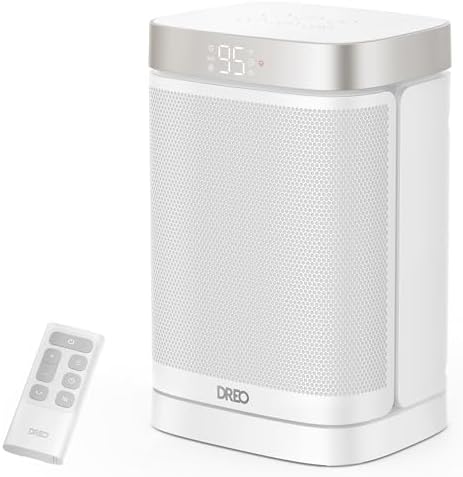
A compact thermostat-controlled ceramic heater such as the Dreo Atom One can be useful for attended, temporary warming of a dry utility area because it produces heat quickly and is easy to position at a safe distance. It is not a substitute for permanent freeze protection, and it should never be aimed at wet plumbing or placed where a leak could reach it.
Final verdict
To prevent frozen pipes without central heat, prioritize insulation, listed heat cable, air sealing and a safe minimum background temperature. Use portable heaters only as attended supplemental heat in dry locations. That approach protects the plumbing without creating a new fire or electrical hazard.
FAQs
Can I use a space heater to keep pipes from freezing?
It can provide temporary attended heat in a dry area, but pipe insulation and properly installed listed heat cable are better targeted freeze-protection measures.
What temperature should I keep a house at to prevent frozen pipes?
The American Red Cross recommends leaving heat on and setting the thermostat no lower than 55°F when you are away during cold weather.
Should I use heat tape on water pipes?
Listed heat tape or heat cable can be appropriate when installed exactly as directed for the pipe and location.
Can I thaw pipes with a propane torch?
No. The Red Cross advises against blowtorches, kerosene or propane heaters, charcoal stoves and other open-flame methods for thawing frozen pipes.
Why do pipes freeze in basements and garages?
These areas may be unheated, poorly insulated or exposed to cold air, especially near exterior walls and doors.
Should I leave faucets dripping during a freeze?
The Red Cross recommends allowing cold water to drip from a faucet served by exposed pipes during very cold weather because moving water can help reduce freezing risk.


