
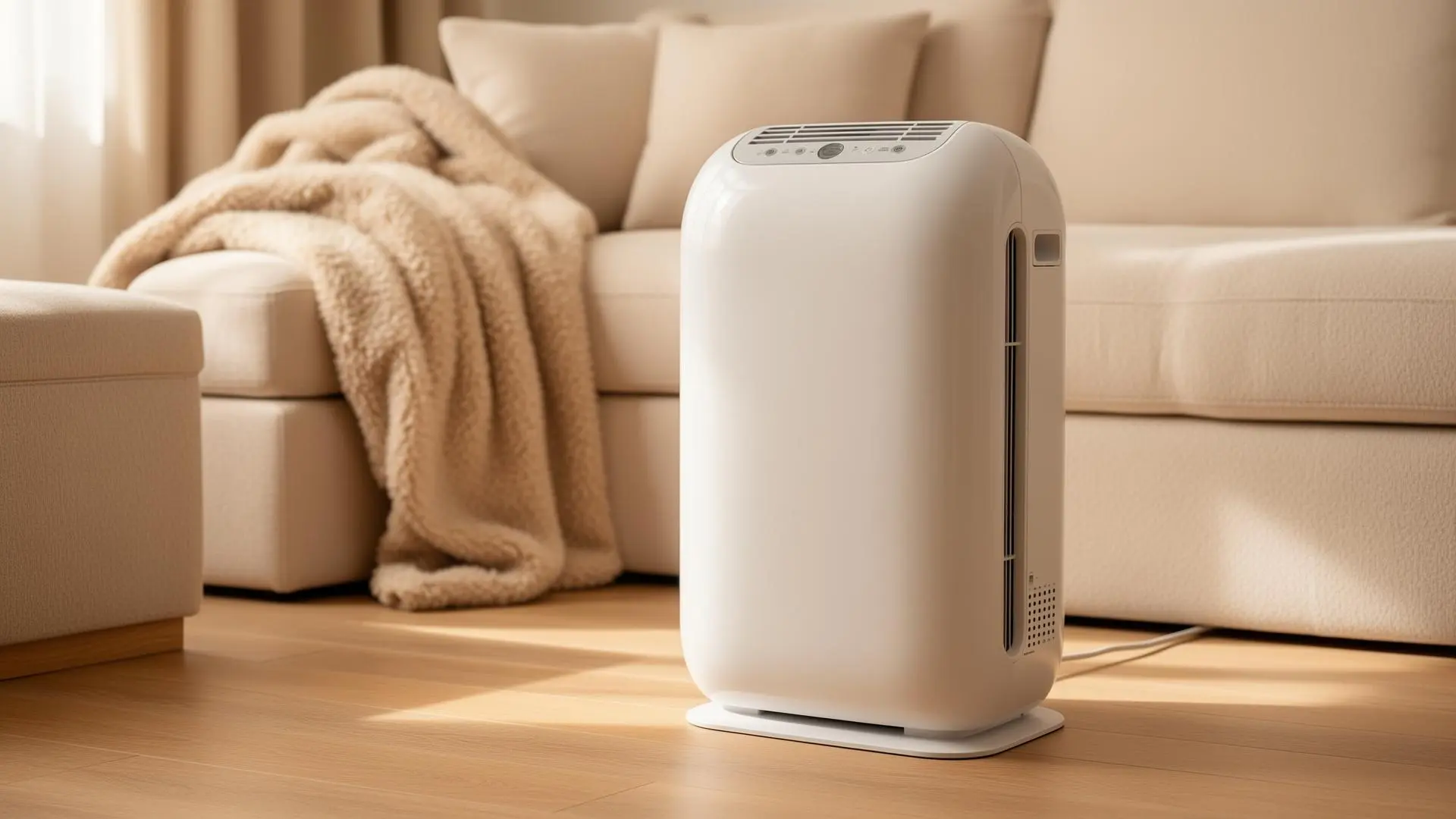

Micathermic heater vs ceramic heater is mainly a choice between gentler panel-style heat and faster fan-forced heat. Micathermic models combine radiant and natural-convection heating from a thin panel, while most ceramic portable heaters use a PTC ceramic element plus a fan to push warm air into the room.
For most people who want fast warmth, compact size and digital controls, ceramic is the easier choice. If low fan noise and a slim, wall-mountable form factor matter more, a micathermic panel heater can be a better fit.
Affiliate disclosure: This post contains affiliate links. We may earn a commission if you buy through them. As an Amazon Associate we earn from qualifying purchases.
Micathermic vs Ceramic: Products to Compare


DeLonghi HMP1500: Micathermic Example
The DeLonghi HMP1500 is a 1500W mica panel heater with two heat settings, an adjustable thermostat, thermal shutoff, an internal tip-over switch and hardware for freestanding or wall-mounted use. DeLonghi positions the HMP1500 as a quiet panel heater for room heating. See DeLonghi’s current HMP1500 information.
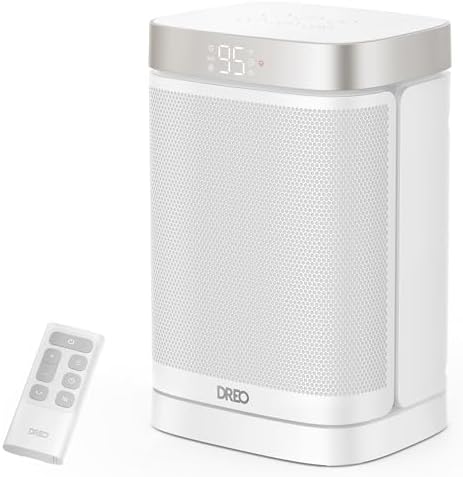
Dreo Atom One: Feature-Rich Ceramic Example
Dreo Atom One uses a 1500W PTC ceramic system with fan-forced airflow, a 41–95°F digital thermostat, remote control, timer and 70° oscillation. It reaches comfortable airflow quickly and offers more precise controls than a basic panel heater.
Lasko 754200: Simple Ceramic Example
The Lasko 754200 shows the simpler side of ceramic heating: 1500W high heat, 900W low heat, fan-only mode and a manual thermostat. Lasko lists automatic overheat protection and a cool-touch housing, but this model does not include a remote.
Which Heats Faster?
Ceramic fan heaters generally feel faster because they actively blow warm air. A micathermic panel does not need a loud high-speed fan to create useful room heat, but the sensation is usually more gradual.
Which Is Quieter?
Micathermic heaters are attractive when fan noise bothers you because many panel designs rely mainly on radiant heat and natural convection. Ceramic heaters can still be quiet, but they normally use a fan whenever they are actively heating.
Which Uses Less Electricity?
At the same wattage and runtime, neither heater type has a built-in electricity-cost advantage. Electric resistance heaters convert their electrical input to heat at the point of use; the practical difference comes from thermostat behavior, heat distribution, room heat loss and how long the heater runs. The U.S. Department of Energy notes that electric resistance heating converts essentially all electricity to heat at the point of use, while heat pumps can use much less electricity for the same heating task.
For more background, read what a micathermic heater is, our best micathermic heater guide, and our ceramic heater roundup.
Frequently Asked Questions
Is micathermic heat better than ceramic heat?
Not universally. Micathermic heat suits people who value quiet panel-style warmth, while ceramic heaters are better when fast fan-forced heat and compact controls matter more.
Do micathermic heaters have fans?
Many micathermic panel heaters rely mainly on radiant heat and natural convection, although exact designs vary. Always check the specific model.
Which is better for a bedroom?
A micathermic heater can be appealing for low fan noise, but a quiet ceramic heater with a precise thermostat may be easier to control. Follow manufacturer placement instructions and never leave a portable heater running while sleeping.
