
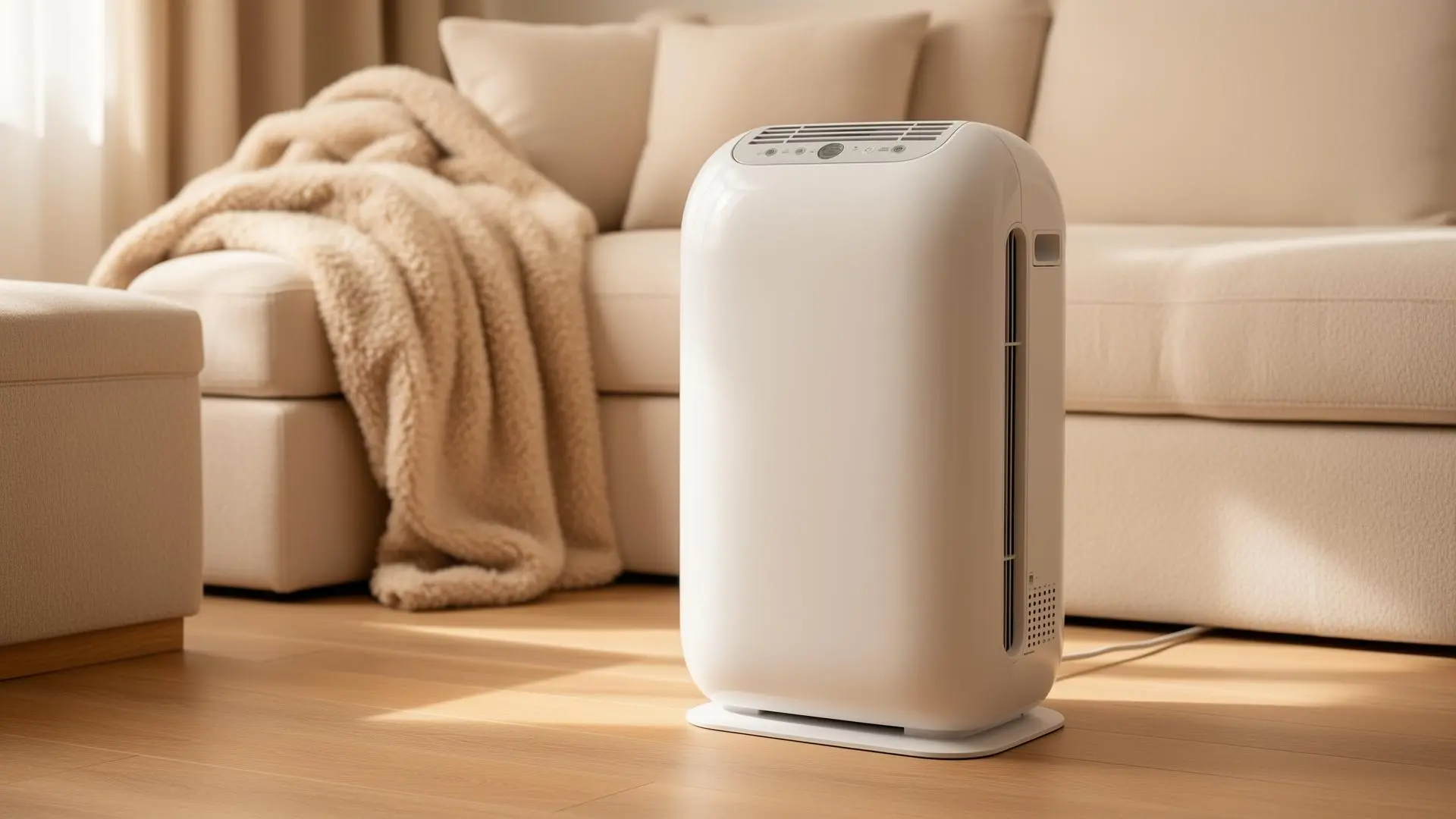


A dripping, gurgling or “water running” sound from an oil-filled radiator can be alarming because the heater is sealed. In many cases the noise comes from normal thermal expansion and movement of the internal heat-transfer oil, not from a leak.
TL;DR
- Light gurgling, ticking or liquid movement can be normal as the sealed oil warms and circulates inside the radiator fins.
- A true external oil leak, burning smell, damaged plug or unusual overheating is not normal and should be treated as a safety issue.
- If the sound is new, very loud or paired with poor heating, stop using the heater until you can inspect it or contact the manufacturer.
Paid link. As an Amazon Associate, we earn from qualifying purchases at no extra cost to you.

Why it can sound like dripping water
Oil-filled radiators contain permanently sealed thermal oil. As the heating element warms the oil and metal, expansion and internal movement can create bubbling, gurgling, ticking or dripping-like sounds even though no water is inside.
Thermal expansion of the metal
The fins, internal channels and element housing expand at slightly different rates. Small clicks and pops can occur as the metal heats, then again as it cools after the thermostat switches off.
Oil movement inside the radiator
The oil naturally moves as hotter fluid rises and cooler fluid shifts downward. In a quiet bedroom this internal movement can sound surprisingly similar to water dripping or flowing.

When the sound is usually normal
A brief gurgle after startup, occasional ticking during thermostat cycling, or soft liquid sounds that fade as the radiator reaches temperature are generally consistent with normal operation.
Warning signs that need attention
Stop using the heater if you see oily residue on the floor or fins, smell electrical burning, notice a damaged cord or plug, see discoloration around an outlet, or hear arcing/buzzing from the electrical controls.
Can you refill the oil?
No. Consumer oil-filled radiators are sealed systems and are not meant to be opened or topped up by the user. If oil is leaking, the heater needs manufacturer service or replacement.
How to reduce normal noises
Keep the heater upright on a level floor. If it was transported or stored on its side, allow it to stand upright before use according to the manufacturer guidance. Dust and loose external panels can also create secondary rattles that sound like internal noise.
Related troubleshooting
For a different noise pattern, see our oil-filled radiator clicking guide and noisy space heater troubleshooting guide.
FAQs
Is a dripping sound from an oil heater normal?
Soft intermittent liquid-like sounds can be normal as the sealed oil heats and moves internally.
Does an oil-filled radiator contain water?
No. It contains sealed heat-transfer oil. The sound can resemble water even though water is not circulating inside.
Can an oil-filled radiator leak?
Yes, but it should not. Visible oil outside the unit is a reason to stop using it and contact the manufacturer.
Should I open the radiator to check the oil?
No. Oil-filled radiators are sealed appliances and should not be opened or refilled by the user.


