
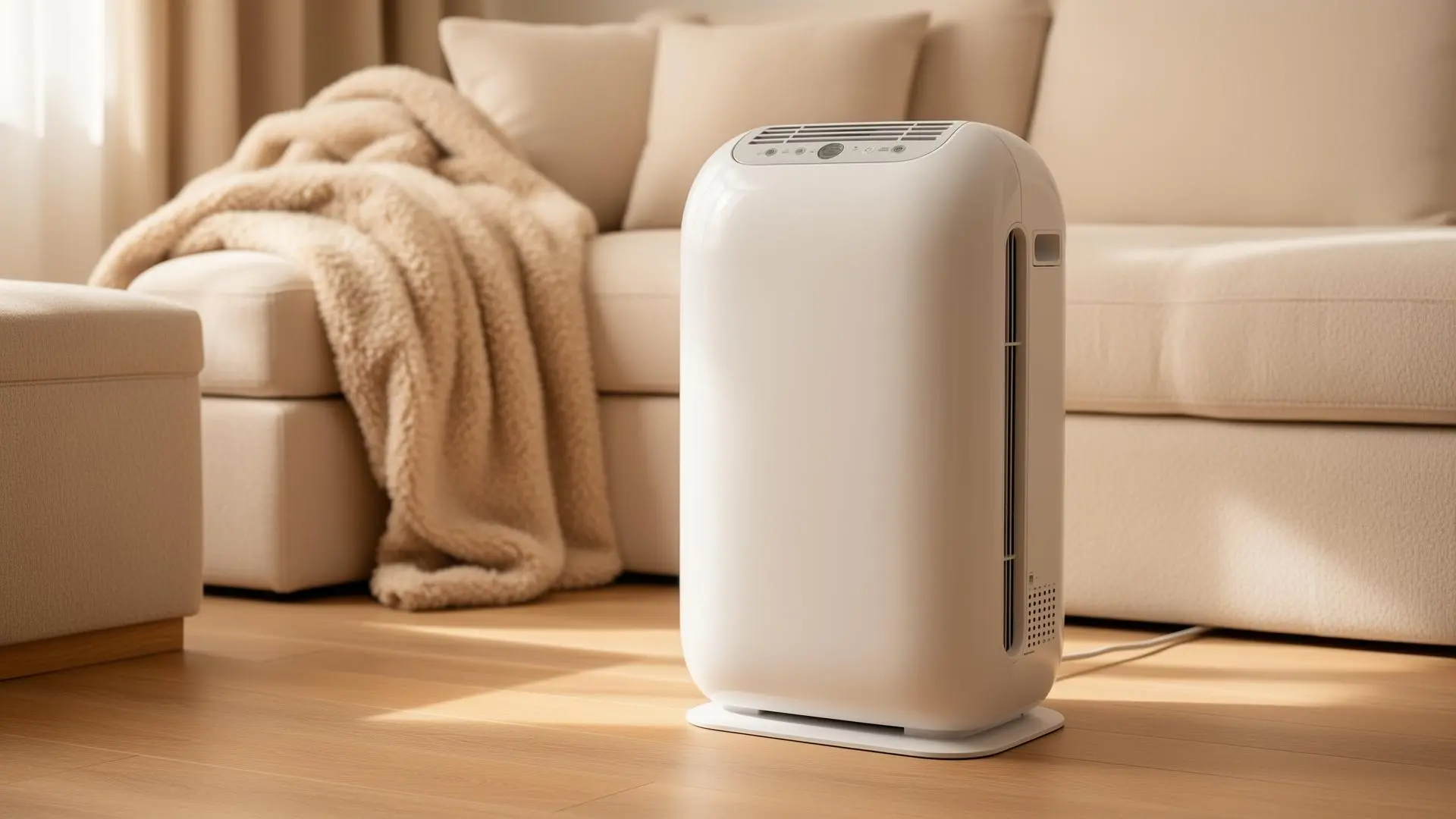


A wall heater and a portable space heater can use the same basic electric resistance heating, but they solve different problems. Wall heaters trade portability for permanent placement and free floor space. Portable heaters trade permanence for flexibility and zero installation.
TL;DR
- At equal wattage, electric wall heaters and portable resistance heaters have similar cost per hour at full output.
- Wall heaters are better for permanent room heating, bathrooms, hallways and spaces where floor clearance is limited.
- Portable heaters are better for renters, temporary cold spots and moving heat between rooms.
Paid link. As an Amazon Associate, we earn from qualifying purchases at no extra cost to you.

How wall heaters work
Electric wall heaters may use fan-forced convection, natural convection or infrared/radiant heat. Some plug into an outlet, while higher-output models require hardwiring and a dedicated circuit.
How portable space heaters differ
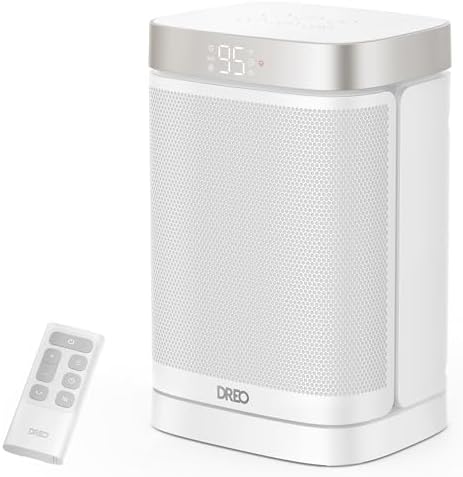
Portable heaters are usually 120V plug-in appliances. They are easy to move and replace, but they occupy floor or tabletop space and need careful clearance around bedding, curtains and furniture.
Running cost
A 1500W wall heater and 1500W portable heater can each use up to 1.5 kWh per hour at full power. Installation style does not change the basic energy math. Thermostat quality and total runtime matter more.

Heat distribution
Wall placement can help keep the heater out of walkways and may distribute air effectively across a room. A portable heater can be positioned closer to the occupied zone, which is useful when only one person needs extra warmth.
Installation and electrical load
A plug-in portable heater requires no installation. Hardwired wall heaters should be installed on the correct voltage and circuit according to manufacturer instructions and local electrical code.
Safety
Wall mounting reduces tip-over risk and keeps the heater in a fixed position. Portable heaters often include tip-over shutoff but still require a stable surface and direct wall connection. Neither should be covered or blocked.
Best use cases for a wall heater
Bathrooms with approved models, workshops, entryways, small bedrooms and rooms where you need repeatable heat from the same location.
Best use cases for a portable heater
Rental homes, home offices, occasional bedroom heating and situations where one heater needs to serve several rooms at different times.
Which should you choose?
Choose a wall heater for a room that needs supplemental heat every winter and has a suitable installation location. Choose portable when flexibility, low upfront cost and no installation are more important.
FAQs
Is a wall heater cheaper to run than a space heater?
Not automatically. At equal wattage and runtime, electric resistance heating cost is similar.
Are wall heaters safer?
Fixed mounting removes tip-over risk, but clearances, wiring and overheat protection still matter.
Can a wall heater heat a whole room?
Yes if it is properly sized for the room and heat loss. Small 120V units may be supplemental rather than primary heat.
Do wall heaters need a dedicated circuit?
Some higher-output or hardwired models do. Follow the exact manufacturer electrical requirements and local code.


