
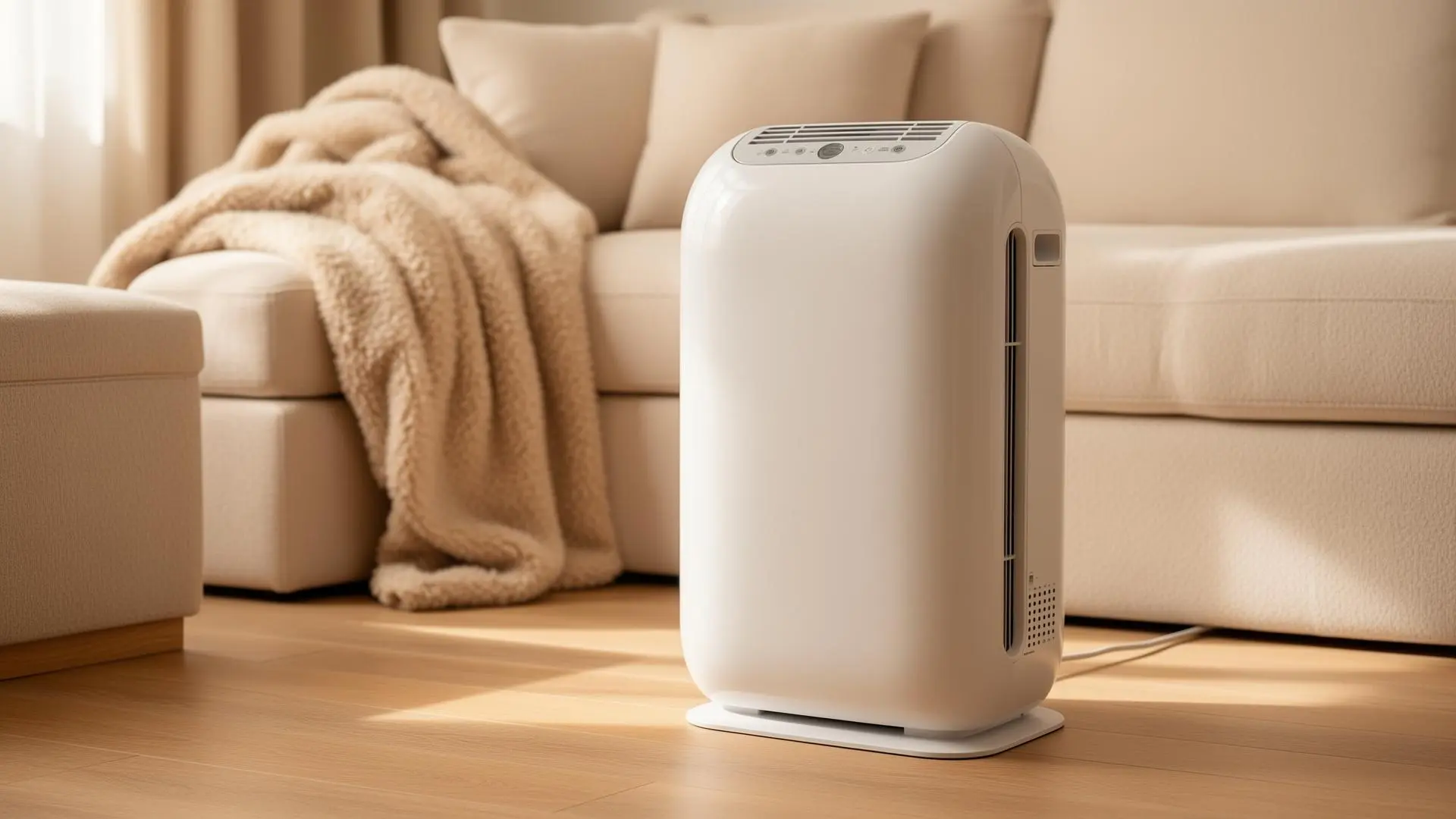


Finding the right way to stay warm during the night is more than just a matter of comfort. It is a critical part of creating a healthy sleep environment. When the temperature drops, the body naturally looks for warmth to maintain a steady internal state. Many people turn to their central heating systems, but heating an entire house just to stay warm in one room is often a waste of money and energy.
This is where a high quality space heater becomes useful. For a bedroom, two factors matter more than anything else: silence and safety. A heater that makes loud noises or poses a fire risk has no place where people sleep. This report examines the best space heater for bedroom options by looking at how they work, how they stay quiet, and how they protect a home.
For a model-specific example within bedroom heaters, see our Best Space Heaters for Dorm Rooms for controls, safety features, heating style, and practical fit.
Paid link. As an Amazon Associate, we earn from qualifying purchases at no extra cost to you.
TL;DR
- For those who need a fast decision, the following table summarizes the top performers based on noise levels, safety features, and heating style.
- Keep a portable heater on a stable surface with about 3 feet (0.9 m) of clearance from bedding, curtains, furniture and other combustible materials.
- Plug portable electric heaters directly into a suitable wall outlet; stop using a heater if the plug, cord or outlet becomes unusually hot, damaged or discolored.
- Safety features reduce risk but do not replace correct placement, supervision and the manufacturer’s instructions.
Quick Answer: The Best Picks for Bedroom Comfort
For those who need a fast decision, the following table summarizes the top performers based on noise levels, safety features, and heating style.

| Model | Heating Type | Noise Level | Key Safety Feature | Best For |
| Dreo Solaris Slim H3 | Ceramic Tower | 37.5 dB | Tip-over and Overheat | Fast, quiet heat |
| DeLonghi Dragon 4 | Oil Radiator | Silent | Thermal Cutoff | Overnight, steady warmth |
| Vornado AVH10 | Vortex Action | 44 dB | Cool-touch casing | Whole room circulation |
| Envi Wall Heater | Convection | Silent | Wall-Sens technology | Safety and space saving |
| Lasko Bladeless | Ceramic | Quiet | Tip-over switch | Modern design and safety |
While the Dreo Solaris Slim H3 is a fantastic all around choice for most bedrooms due to its low noise and smart features, the best pick depends on whether a person is a light sleeper or has pets and children. If this symptom or maintenance issue applies, Best Quiet Space Heaters for Noise Sensitive Rooms covers the likely causes and safe checks. For the related safety issue, our Can You Use a Space Heater in a Bedroom Safely covers the specific risks and safer checks.


Essential Safety Features for Sleeping Areas
Safety is the most important part of choosing a heater. Since a bedroom heater is often left running while people are unconscious, it must have built-in protections to prevent accidents.
Tip-Over and Overheat Protection
Every best space heater for bedroom choice must have a tip-over switch. This is a small sensor, usually a pendulum or a button on the bottom, that shuts the heater off immediately if it is knocked over. This prevents the hot element from touching a carpet or rug and starting a fire. Overheat protection is just as important. It uses a thermal sensor to monitor the internal parts of the heater. If the unit gets too hot because the air vents are blocked, it will shut down before it causes any damage.
Cool-Touch Exteriors
In a bedroom, a heater might be placed near a bed or a curtain. Cool-touch housing ensures that the outside of the heater stays safe to the touch, even after it has been running for hours. This is vital for families with small children or pets who might wander into the heater during the night. Vornado heaters are especially well known for this, often having grilles that stay much cooler than the air they are pushing out.
Safety Certifications: UL and ETL
When shopping for a heater, looking for a safety label is the first step. The two most common labels in North America are UL (Underwriters Laboratories) and ETL (Intertek). These are independent labs that test heaters to make sure they meet strict national safety standards. A heater with these marks has been checked for fire risks and electrical safety. If a heater does not have one of these labels, it should not be used in a home.
Electrical Science and Bedroom Circuits
A space heater is one of the most power-hungry appliances in a house. Most models use 1,500 watts on their highest setting. This is about as much electricity as a standard wall outlet can safely handle.
The 15-Amp Limit
Most bedrooms are on a 15-amp circuit. A 1,500-watt heater draws about 12.5 amps of electricity. This leaves very little room for anything else on the same circuit. If a person plugs in a heater and then turns on a vacuum or a hair dryer, the circuit breaker will likely trip. To avoid this, it is best to run a bedroom heater on a medium or low setting if other electronics are being used.
Managing the Wall Outlet
Heat does not just come from the front of the heater. It can also build up at the plug. If an outlet is old or loose, it creates resistance, which causes heat. Users should always make sure their heater plug fits tightly into the outlet. If the plug feels hot to the touch or if the outlet looks discolored, it is a sign of a dangerous electrical problem.
| Electrical Factor | Value / Requirement | Why It Matters |
| Typical Max Wattage | 1500 Watts | Limits what else can be on the circuit |
| Current Draw at Max | 12.5 Amps | Can trip 15-amp breakers |
| Recommended Outlet | Dedicated Wall Outlet | Prevents overheating and fires |
| Safety Device | Tip-over Switch | Shuts off if the unit falls |
Human Factors: Light, Humidity, and Health
A heater does more than change the temperature. It can also change how a room feels and how well a person sleeps.
Avoiding Light Pollution
Many modern heaters have bright LED screens. In a dark bedroom, these screens can be very distracting. Some heaters now include an “auto-dim” feature or a way to turn the screen off entirely. This is a great feature for anyone who needs a pitch-black room to sleep well. If a heater does not have this, some users use small pieces of dimming tape to cover the bright lights.
Impact on Air Quality and Humidity
Fan-forced heaters can sometimes make the air feel very dry. This can lead to a scratchy throat or dry skin in the morning. Oil-filled radiators and infrared heaters are much gentler on the air because they do not blow it around as much. They help maintain the natural humidity in a room, which is better for breathing and overall comfort. Additionally, heaters without fans are better for people with allergies because they do not stir up dust and pet dander from the floor.
Practical Insights for Buyers
When setting up a heater in a bedroom, there are a few real-world tips that can make the experience better.
Placement Matters
A heater should always be placed on a flat, hard surface. Putting a heater on a thick carpet can block the intake and cause it to overheat. For a bedroom, placing the heater a few feet away from the bed is usually best. This allows the air to circulate without blowing directly on the sleeping person, which can feel too hot or drying.
Dealing with “New Heater Smell”
Many people notice a strange smell when they first turn on a new heater. This is usually just dust or oils from the factory burning off the heating element. It is a good idea to run a new heater in a different room for an hour or two with a window open before using it in a bedroom for the night.
Maintaining Your Heater
To keep a heater running quietly and safely, it needs to be cleaned. Dust can build up in the vents and on the fan blades, which can cause noise or even a burning smell. Unplugging the heater and using a vacuum with a brush attachment to clean the vents once a month is a simple way to keep it in top shape.
Frequently Asked Questions
Is it safe to leave a space heater on all night in a bedroom?
No portable space heater should be treated as safe to leave running while you sleep or when it is unattended. CPSC recommends turning portable heaters off when sleeping, plugging electric heaters directly into a wall outlet, and keeping them at least three feet from bedding, curtains, furniture, and other combustible materials.
What is the quietest type of space heater for a bedroom?
The quietest heaters are fanless models. This includes oil-filled radiators and convection panel heaters like the Envi. These units make virtually no sound at all. If you prefer a fan-forced model, ceramic heaters like the Dreo Solaris Slim H3 are designed to be whisper-quiet.
Will a space heater dry out my nose and throat?
Some fan-forced heaters can make the air feel dry because they move air rapidly across hot elements. If this is a concern, an oil-filled radiator is a better choice as it warms the air more gently and does not stir it up as much.
Can I use an extension cord with my bedroom space heater?
No, you should never use an extension cord or a power strip with a space heater. These heaters draw a lot of electricity, and most extension cords are not thick enough to handle the load. This can cause the cord to melt or start a fire.
How much does it cost to run a space heater in a bedroom?
A 1,500-watt heater costs about 15 to 25 cents per hour to run on high, depending on your local electricity rates. Using a heater with an “Eco Mode” or a thermostat can lower this cost by up to 40% because the heater will turn itself off once the room is warm.
Why are some heaters called "bladeless"?
Bladeless heaters, like certain Lasko models, do not have exposed spinning blades. Instead, they use an internal impeller to push air through a ring or a tower. This makes them safer for kids and pets and often quieter than standard fan heaters.


