
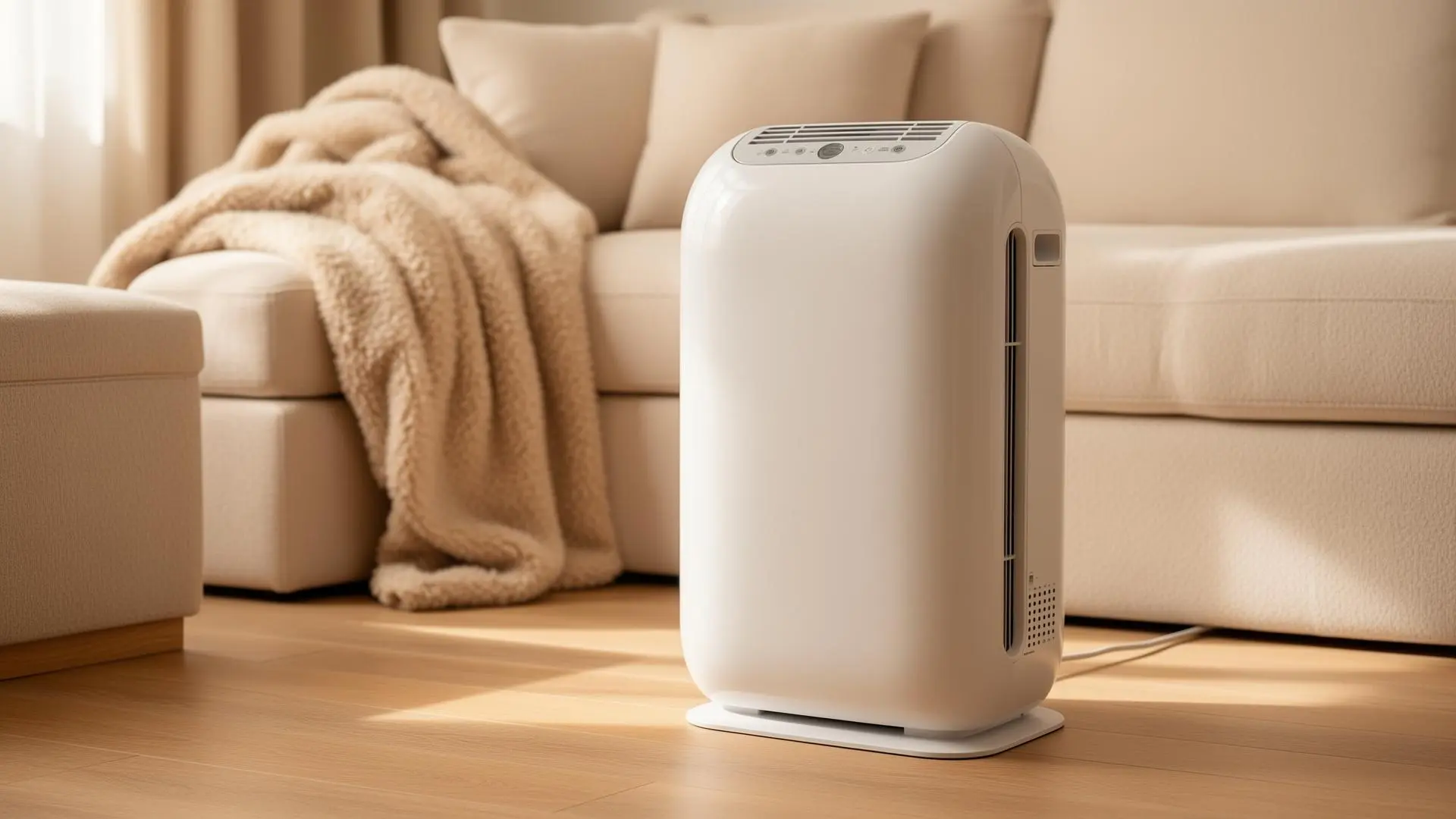


The winter wind is howling outside and your central heating just isn’t reaching that far corner of the living room. You start browsing for a solution and keep seeing the same term pop up everywhere. You find yourself wondering what is a ceramic space heater and why does everyone seem to recommend them? It is easy to get lost in technical jargon when you just want to stay warm. You want something that works fast, stays safe, and doesn’t send your electric bill into the stratosphere. For model-specific details and trade-offs, see our Best Ceramic Space Heaters.
The Quick Answer
A ceramic space heater is a type of portable electric heater that uses Positive Temperature Coefficient (PTC) ceramic plates as the heating element. When electricity passes through these plates, they heat up and a fan typically blows that warmth into the room. They are known for being energy-efficient, fast-acting, and safer than older coil heaters.
Paid link. As an Amazon Associate, we earn from qualifying purchases at no extra cost to you.
TL;DR
- The winter wind is howling outside and your central heating just isn't reaching that far corner of the living room.
- Match the heater to the room size, insulation and the kind of warmth you want instead of choosing by wattage alone.
- Prioritize appropriate safety features, stable placement, direct wall-outlet use and clear manufacturer instructions.
- Check the exact model specifications before purchase because features and retailer listings can change.
How a Ceramic Space Heater Works
To really understand what is a ceramic space heater, you have to look at what is happening inside the plastic casing. Unlike old-fashioned heaters that use glowing orange wire coils, these units use ceramic blocks.
When you plug the unit in, the electricity hits the ceramic. These plates are special because they are semi-conductive. As they get hotter, they actually start to resist the electricity. This means they are self-regulating. They won’t just keep getting hotter until they melt. They reach a specific temperature and stay there.

Most of these devices are “fan-forced” units. This means there is a small fan behind the ceramic plates. It sucks in the cool air from your room, pushes it over the hot ceramic, and sends a jet of warm air back out to you. This is why you feel the heat almost the second you turn it on.

Why People Choose Ceramic Over Other Types
When you ask what is ceramic space heater technology good for, the answer is usually speed and size. Because the ceramic plates are so efficient at moving heat, the manufacturers can make the heaters very small. You can easily find a ceramic heater that fits on a desk or under a table.
Another big plus is the “cool-touch” factor. Many ceramic heaters are designed so the exterior plastic doesn’t get dangerously hot. If you have a curious cat or a toddler, this is a huge relief. They are also generally more durable. Wire coils can become brittle and break over time, but ceramic plates are solid and built to last for many winters.
Safety Considerations for Your Home
While ceramic technology is inherently safer than open-coil heaters, you still need to be careful. Fire safety is the most important part of using any heating device.
Most modern ceramic units come with a “tip-over” switch. This is a tiny button on the bottom of the heater. If the heater falls over on your carpet, the button pops out and kills the power instantly. This prevents the hot front grille from sitting face-down on your floor and starting a fire.
You should also look for “overheat protection.” If the fan fails or if a blanket gets tossed over the intake vents, the internal temperature will spike. An overheat sensor detects this and shuts the unit down before things get dangerous. Even with these features, you should never leave your heater running when you leave the house or go to bed.
Cost and Energy Efficiency
One of the best things about a good ceramic space heater is that it doesn’t waste much energy. Because the plates are self-regulating, they don’t draw maximum power 100% of the time. Once the ceramic is hot, it stays hot quite easily.
Most units run at 1,500 watts on high and around 750 to 900 watts on low. If you use it to warm up just the room you are currently in, you can turn your house thermostat down and save a lot of money on your monthly bill. This is called “zone heating.” It is much cheaper to heat one small bedroom with a ceramic unit than to try and heat a whole empty house with a gas furnace. For related troubleshooting, see what is a PTC ceramic space heater and why it matters.
Practical Tips for Getting the Most Heat
If you decide that a ceramic model is right for you, follow these tips to stay cozy:
- Clear the Intake: The back of the heater needs room to breathe. Don’t push it right up against a wall or a velvet curtain.
- Keep it Low: Heat rises. Placing your heater on the floor is the best way to ensure the whole room gets warm.
- Plug it in Directly: Never use an extension cord. Ceramic heaters pull a lot of power, and thin extension cords can melt or catch fire.
- Clean the Dust: Every few weeks, use a vacuum attachment to suck the dust out of the front and back grilles. Dust blocks airflow and makes the heater less efficient.
Common Mistakes to Avoid
I have seen many people make the mistake of using a small ceramic heater to try and warm a huge, open-plan basement. It just won’t work. These are best for “spot heating.” If the room is too big, the fan will just blow air that gets lost in the cold space.
Another mistake is using them in wet areas. Unless the heater is specifically rated for bathroom use with an ALCI plug, keep it away from water. Moisture can ruin the internal electronics and create a shock hazard.
Conclusion
So, what is a ceramic space heater? It is simply one of the fastest and most reliable ways to beat the winter cold. By using advanced ceramic plates instead of dangerous wires, these heaters give you peace of mind and instant comfort. They are portable, easy to use, and perfect for saving money through zone heating.
If you are looking for a way to stay warm in your home office or bedroom, a ceramic unit is a smart investment. Just remember to keep the area clear, plug it directly into the wall, and enjoy the warmth.


Frequently Asked Questions
Is a ceramic space heater better than an infrared one?
It depends on what you need. A ceramic heater warms the air in the room, which feels like a cozy blanket. An infrared heater warms objects and people directly. Ceramic is usually better for small, enclosed rooms.
Can a ceramic heater stay on all night?
No portable space heater should be treated as safe to leave running while you sleep or when it is unattended. CPSC recommends turning portable heaters off when sleeping, plugging electric heaters directly into a wall outlet, and keeping them at least three feet from bedding, curtains, furniture, and other combustible materials.
It is not recommended. Even with safety sensors, there is always a small risk of electrical failure or a fire if something falls on the unit while you sleep. Use it to warm the room before bed, then turn it off.
Does a ceramic heater dry out the air?
All electric heaters dry the air slightly because they don’t add any moisture. However, they don’t “burn” the oxygen like a gas heater does. Using a small humidifier can help if your skin feels dry.
How long do ceramic heaters last?
With proper care and cleaning, a high-quality ceramic heater can easily last five to ten years. Most failures are caused by dust buildup in the fan rather than the ceramic plates wearing out.
Is it normal for a new heater to smell?
Yes, it is common to smell a bit of “hot plastic” or dust the first time you turn it on. This should go away within an hour. If it smells like something is melting or if you see smoke, unplug it immediately.
Can I put my ceramic heater on a rug?
Most manuals say to use a hard, level surface. Some carpets can block the safety switch on the bottom or trap heat. A flat tile or a wooden floor is always the safest choice.


