
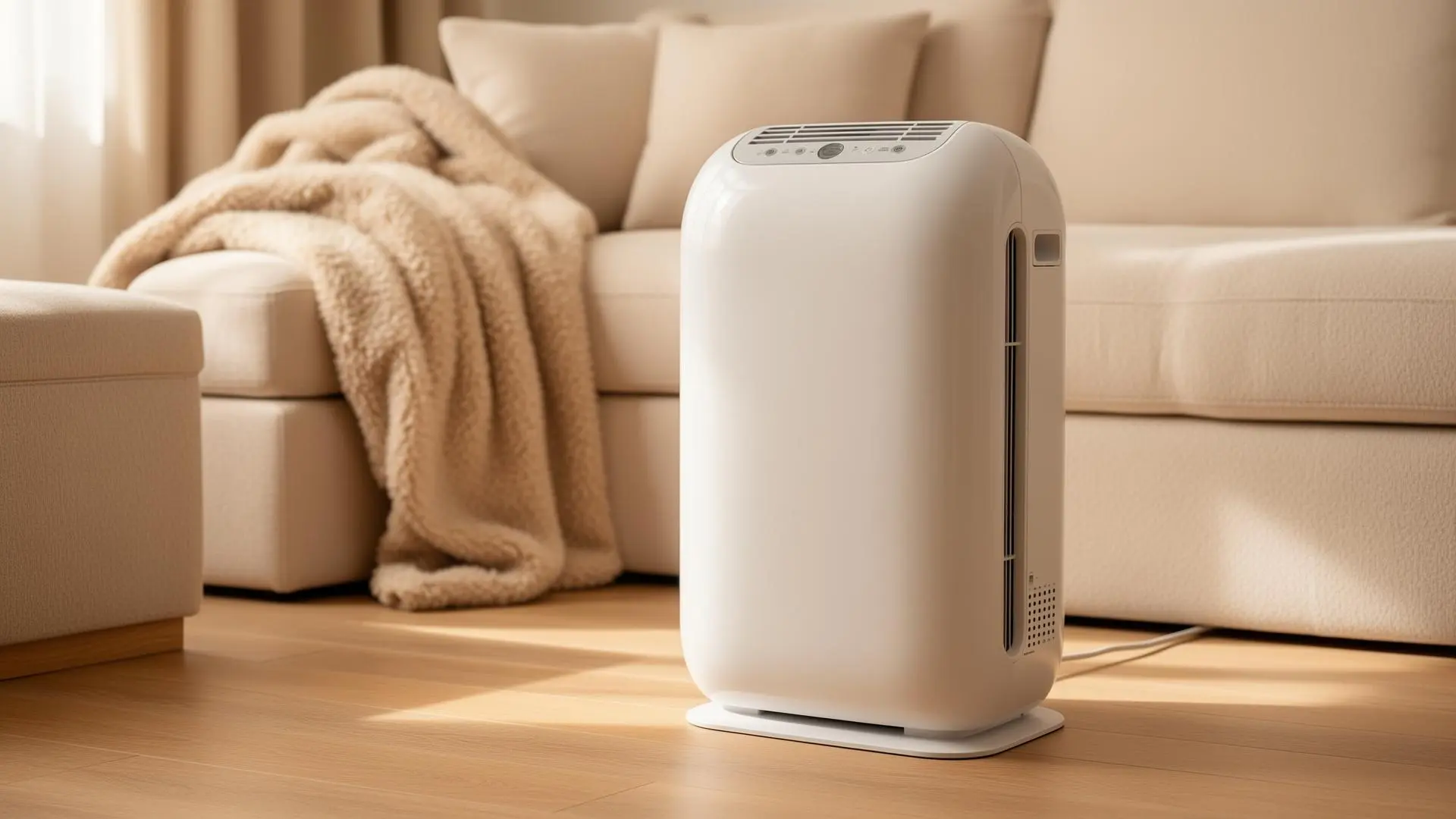


You are tired of seeing your breath in the living room while your central furnace struggles to keep up. You have decided to buy a portable heater to bridge the gap, but then you look at the price tags. Some are under $30, while others cost more than a high-end coffee machine. You start to wonder: how much does a space heater cost and will it actually save me money on my electric bill, or just make it worse? Navigating the world of heating costs can be tricky because the sticker price is only the beginning of the story.
The Quick Answer
A basic fan-forced or ceramic space heater typically costs between $30 and $70. Mid-range infrared heaters or oil-filled radiators usually fall between $80 and $150, while high-end smart heaters can exceed $250. Beyond the purchase price, running a 1,500-watt heater on high will cost approximately $0.20 to $0.30 per hour depending on your local electricity rates.
Paid link. As an Amazon Associate, we earn from qualifying purchases at no extra cost to you.
TL;DR
- A basic fan-forced or ceramic space heater typically costs between $30 and $70. Mid-range infrared heaters or oil-filled radiators usually fall between $80 and $150, while high-end smart heaters can exceed $250.
- Match the heater to the room size, insulation and the kind of warmth you want instead of choosing by wattage alone.
- Prioritize appropriate safety features, stable placement, direct wall-outlet use and clear manufacturer instructions.
- Check the exact model specifications before purchase because features and retailer listings can change.
The Upfront Investment: What You Pay at the Store
When you ask how much does a space heater cost, the answer depends heavily on the technology inside the box. I have found that cheap heaters often do a great job for a single person, but they might not have the longevity or features of more expensive models.
Budget-Friendly Options ($20 – $50)
In this price bracket, you will mostly find small fan-forced heaters and basic ceramic units. These are perfect for sitting under a desk or warming a very small bathroom. They are simple “on and off” machines. They usually lack advanced thermostats or remote controls, but they get the job done for immediate, personal warmth.


Mid-Range Comfort ($60 – $130)
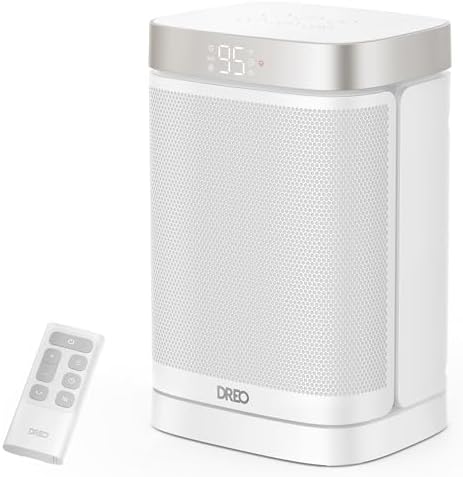
This is the “sweet spot” for most homeowners. Here, you will find sturdy oil-filled radiators and larger ceramic tower heaters. These models usually come with digital thermostats, timers, and oscillation features. If you want a heater that can reliably warm a standard bedroom without being an eyesore, expect to spend in this range.
Premium and Specialty Heaters ($150 – $300+)
At the top of the market are large infrared cabinets and smart heaters with Wi-Fi connectivity. These units often feature real wood finishes or sleek modern designs. They include “Eco modes” that are much better at maintaining a steady temperature, which can help lower the long-term cost of running the device.

The Hidden Cost: How Much Electricity Does It Use?
The purchase price is only half of the equation. The real question many people have is how much does a space heater cost to run every month. Most residential heaters use 1,500 watts of power on their highest setting.
In 2026, the average cost of electricity in the U.S. is roughly $0.17 to $0.20 per kilowatt-hour. If you run your heater for 8 hours a day on high, you are looking at about $2.00 to $2.40 per day. Over a 30-day month, that adds up to $60 or $70. If you have three heaters running in different rooms, your electric bill could double. This is why “zonal heating”—turning off the central furnace and only heating the room you are in—is the only way to make a space heater truly cost-effective.
Factors That Influence the Price Tag
Why do some heaters cost five times more than others? It usually comes down to three things:
- Safety Features: Premium heaters include extra sensors. They might have “cool-touch” exteriors, advanced tip-over switches, and internal overheat protection that adds to the manufacturing cost.
- Build Quality: A $30 plastic heater might only last two winters. A $150 metal oil-filled radiator is built to last a decade or more.
- Smart Technology: Units that connect to your phone or have precise digital thermostats cost more up front but often save you money by not “over-heating” the room.
Expert Tips for Saving Money
I always tell people that the most expensive heater is the one that runs when it doesn’t need to. To keep your costs down, follow these simple steps:
- Use the Low Setting: Most heaters have a 750-watt low setting. If your room is already warm, switch to low to maintain the temperature for half the cost.
- Seal Your Windows: A $5 roll of weatherstripping can save you $20 a month in heating costs by keeping the warm air from escaping.
- Timed Heating: Use the built-in timer to turn the heater off an hour after you go to bed. You will be asleep and won’t miss the heat, but your wallet will notice the savings.
- The “Eco” Advantage: If your heater has an Eco mode, use it. It prevents the unit from drawing maximum power once the room hits your target temperature.
Common Mistakes to Avoid
A common mistake is buying a heater that is too small for the room. A tiny $25 heater trying to warm a giant basement will run on “High” 24/7 and never succeed. You will end up with a huge electric bill and a cold room.
Another mistake is ignoring the age of your heater. If you have an old heater from ten years ago, it might be much less efficient than a modern 2026 model with better thermostat controls. Sometimes spending $100 on a new, efficient heater will pay for itself in just one winter season through lower energy bills.
Conclusion
So, how much does a space heater cost? You can expect to spend about $50 for a solid, safe unit and roughly $2.00 a day to run it. While the upfront price is easy to plan for, the monthly electricity bill is where most people get surprised.
To make your heater a smart investment, choose a model with a digital thermostat and only heat the room you are currently using. By being strategic with your settings and keeping your unit clean, you can stay perfectly warm all winter without the financial shivers.


Frequently Asked Questions
How much does a space heater cost per month?
If used for 8 hours a day on the high setting, it typically costs between $50 and $80 per month. You can cut this in half by using “Eco” modes or lower wattage settings.
Is it cheaper to run a space heater or central heat?
It is only cheaper to use a space heater if you turn the central heat down significantly (zone heating). If you run both at the same time, your total costs will go up.
Does a 1500-watt heater always cost the same to run?
Yes, regardless of the brand, 1,500 watts of electricity costs the same. The difference is in how effectively the heater spreads that warmth so it doesn’t have to stay on as long.
How much does it cost to buy a safe space heater?
You can find very safe heaters with tip-over and overheat protection starting around $40. You don’t have to spend hundreds of dollars to get a safe unit.
Are oil-filled heaters more expensive to run?
Initially, they use the same power, but because they hold onto heat longer after they are turned off, they often cycle “on” less frequently, which can save you money over an entire evening.
What is the cheapest type of heater to buy?
Small fan-forced ceramic heaters are almost always the cheapest to purchase, with many models available for under $30 at big-box retailers.


