

If you spend most of the day in one bedroom, office or living room, heating the entire house to the same temperature can be wasteful. The better approach is often zone heating: keep the central system at a safe baseline temperature, reduce drafts, and add controlled supplemental heat only where people are actually spending time.
TL;DR
- Use a portable heater only in the occupied room, while keeping the rest of the home warm enough to protect plumbing and prevent moisture problems.
- Air sealing, closed doors and thermostat setbacks can matter as much as the heater itself.
- A 1500W electric heater is best for supplemental one-room comfort, not for replacing a whole-home system in very cold weather.
This post contains affiliate links. We may earn a commission if you buy through them. As an Amazon Associate we earn from qualifying purchases.
The best way to heat one room
Start by treating the room as a small heating zone. Close the door if practical, stop obvious drafts around windows and exterior doors, and use your main thermostat to maintain a reasonable background temperature throughout the house. Then use a correctly sized electric space heater in the occupied room.
This approach works best when the room can be partly isolated from the rest of the house. An open-plan living room connected to a stairwell or kitchen will lose heat much faster than a closed bedroom.
Should you turn central heat off completely?
Usually, no. Turning the main heating system off during freezing weather can make exterior-wall plumbing, basements, crawl spaces and unused rooms too cold. The American Red Cross advises keeping heat on during cold weather and, when away, maintaining at least 55°F to reduce frozen-pipe risk.

A safer strategy is a moderate thermostat setback combined with supplemental heat in the occupied room. If your heating system has true zoning, use that first because it can control rooms without adding another portable appliance.
Which space heater works best for one room?
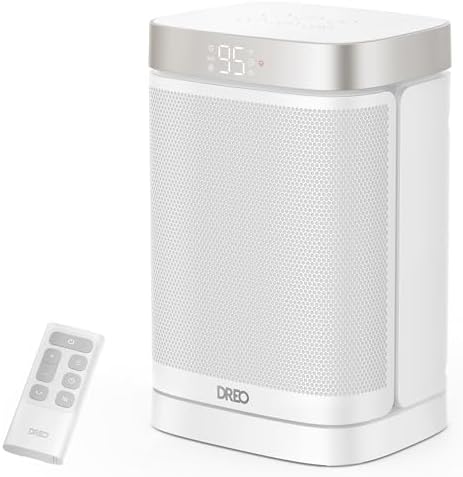
For quick warm-up, a ceramic fan heater is usually the easiest choice. It produces warm airflow within seconds and is easy to move. For longer, quieter sessions, an oil-filled radiator can feel more comfortable because it heats gradually without fan noise. For a room where you mostly sit in one place, an infrared heater can provide fast directional warmth.
- Ceramic heater: best for fast room warm-up and flexible everyday use.
- Oil-filled radiator: best for quiet, steady heating over several hours.
- Infrared heater: best when you want direct warmth in a specific occupied zone.
- Wall heater: useful for a room that needs permanent supplemental heat and where installation is appropriate.
How much electricity will one-room heating use?
A heater running at 1500W uses 1.5 kWh for every hour it operates continuously at full power. In real use, a thermostat may cycle the heater on and off after the room reaches the target temperature. Your actual cost depends on electricity price, insulation, outdoor temperature, heater setting and runtime.
The savings come from heating less space, not from electric resistance heaters becoming unusually efficient. If you raise the central thermostat at the same time, you may simply add the space heater’s electricity use on top of the existing heating bill.
Reduce heat loss before buying a bigger heater
If one room always feels cold, look for the reason before assuming you need more wattage. ENERGY STAR lists drafts, uneven room temperatures and high heating bills as common signs that air sealing or insulation may need attention. Seal obvious air leaks, check window weatherstripping and keep supply/return vents unobstructed.
Our space heaters for drafty rooms guide explains which heater types cope better when some heat loss cannot be eliminated.
A practical one-room heating setup
- Keep the home’s main heating system at a safe baseline temperature.
- Close the occupied room door when possible.
- Seal drafts around windows and doors.
- Use a thermostatically controlled heater rather than running full power continuously.
- Keep the heater where airflow is clear and where people will not kick or cover it.
- Turn the portable heater off when you leave the room or go to sleep.
Space heater safety matters more in a closed room
The U.S. Consumer Product Safety Commission recommends keeping portable heaters at least three feet from bedding, furniture, curtains and other combustibles. Plug an electric space heater directly into a wall outlet rather than an extension cord or power strip, and turn it off when sleeping.
If you need bedroom-specific options, see our best heaters for a cold bedroom in winter. For efficiency questions, our space heater heating-bill guide explains when supplemental heating can and cannot save money.
Bottom line
The most practical way to heat one room without heating the whole house is controlled zone heating: reduce heat loss, keep central heat at a safe background level and use a thermostatic portable heater only in the occupied room. This works best in a reasonably insulated closed room. It works poorly when heat can immediately escape into a large open floor plan.
FAQs
Is it cheaper to heat one room instead of the whole house?
It can be when you lower whole-home heating demand and use a space heater only in the occupied room. Savings depend on your main heating system, energy prices, room insulation and how long the portable heater runs.
Can I turn the furnace off and use one space heater?
During cold weather that can create frozen-pipe and moisture risks elsewhere in the home. A moderate thermostat setback plus targeted room heating is usually safer than shutting whole-home heat off.
What type of space heater heats one room fastest?
Ceramic fan heaters usually provide the fastest noticeable warm airflow. Oil-filled radiators are slower but quieter, while infrared heaters are useful for direct spot warmth.
Should I close the door when using a space heater?
Closing the door can help retain heat when the room has adequate ventilation and the heater is an electric model used according to its manual. Never block required clearances or airflow around the heater.
Can I run a space heater all night?
CPSC advises turning portable heaters off while sleeping. Follow the heater manufacturer’s instructions and use your home’s primary heating system for unattended overnight heating.
Will a 1500W heater warm a large room?
It can improve comfort in many rooms, but insulation, ceiling height, outdoor temperature and air leakage determine the result. A 1500W portable heater should not be treated as a guaranteed whole-room solution for every large space.


