
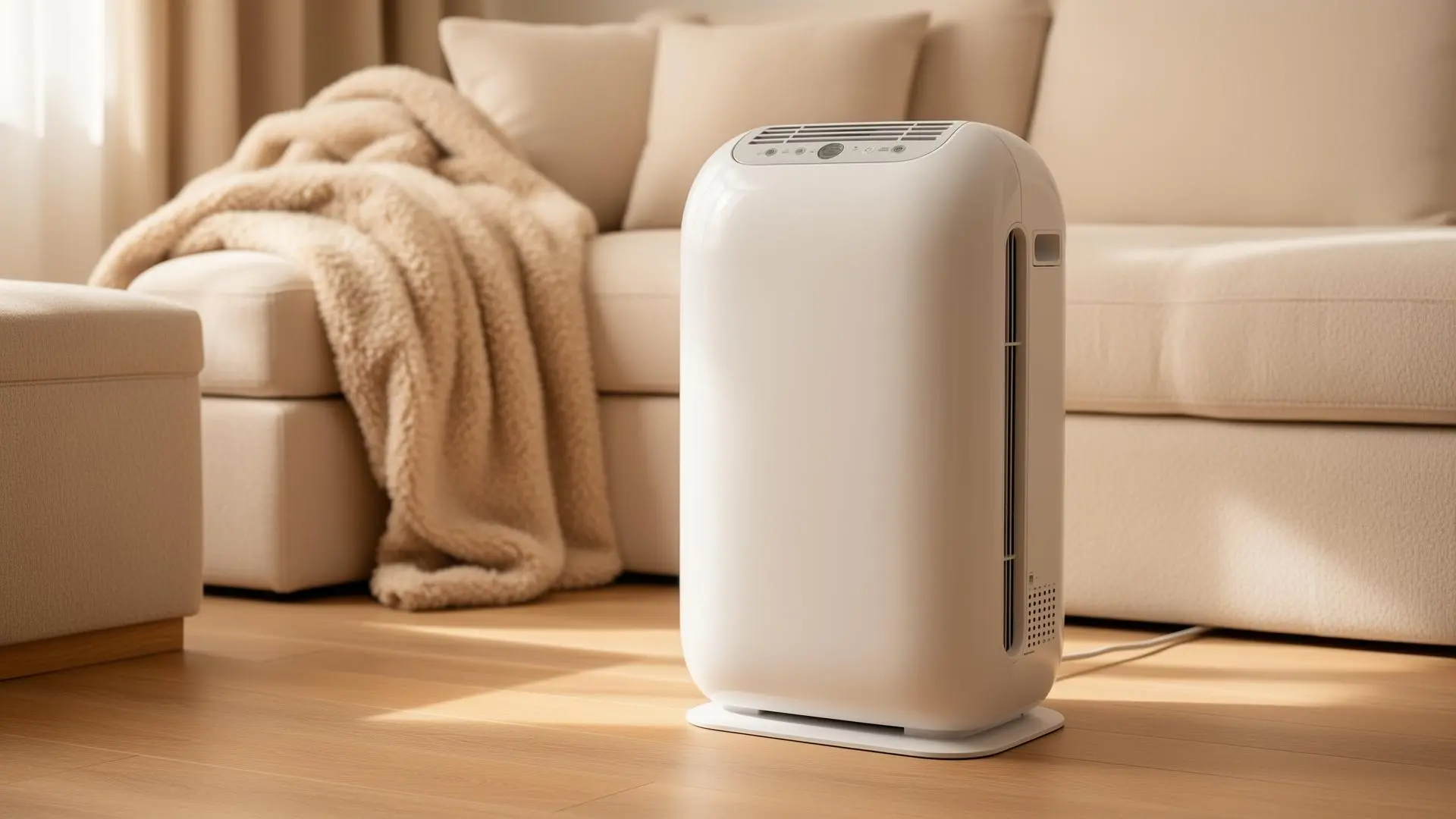


A micathermic heater vs oil-filled radiator comparison is really a choice between faster panel-style heat and slower, steadier thermal mass. Both are quiet because they do not need a high-speed fan, but they behave differently after you turn them on.
Micathermic heaters use a mica heating panel to combine radiant and convective heat, while oil-filled radiators warm sealed internal oil and then release heat through metal fins. Neither type burns oil or requires refilling.
Affiliate disclosure: This post contains affiliate links. We may earn a commission if you buy through them. As an Amazon Associate we earn from qualifying purchases.
Micathermic vs Oil-Filled Radiator: Quick Comparison


Micathermic Heater: Better for Faster, Slimmer Heat
De’Longhi HMP1500 Mica Panel Heater
The De’Longhi HMP1500 is a 1500W mica-panel heater with two heat settings, an adjustable thermostat, thermal shutoff and an internal tip-over switch. Its slim body can stand on the floor or mount to a wall, which is useful when floor space is limited.
Micathermic heat typically feels faster than an oil-filled radiator because the panel begins radiating and convecting heat without first warming a large oil reservoir. The tradeoff is less retained heat after the unit cycles off.
Oil-Filled Radiator: Better for Long, Quiet Heating Cycles
De’Longhi EW7707CM Oil-Filled Radiator
The EW7707CM is a 1500W oil-filled radiator with three power settings, an adjustable thermostat, thermal shutoff and De’Longhi’s ComfortTemp function. The sealed oil reservoir never needs refilling. Oil-filled radiators generally take longer to feel warm, but the hot oil and metal fins continue releasing heat after the heating element cycles off.

Which Type Is Better?
- Choose micathermic if you want a slim heater, quicker perceived warmth and wall-mount flexibility.
- Choose oil-filled if you value long, quiet heating cycles and retained warmth after the element switches off.
- For energy cost: wattage and runtime matter more than the heater label. A 1500W mica heater and a 1500W oil-filled radiator draw similar maximum power when both are heating at full output.
For more background, read what a micathermic heater is and our guide to micathermic heater pros and cons. You can also compare the best micathermic heaters.
Manufacturer Reference
De’Longhi currently lists the HMP1500 support page and the EW7707CM product page. The EW7707CM is rated at 1500W and uses a permanently sealed oil reservoir.
Warm-Up, Heat Retention and Comfort
The biggest practical difference is thermal mass. A micathermic panel does not need to warm a reservoir of oil first, so the room begins receiving radiant and convective heat sooner. An oil-filled radiator has more material to heat, which delays the initial response but lets the fins keep releasing stored heat after the element cycles off.
That makes micathermic heat attractive in an office or bedroom that you want to warm relatively quickly. Oil-filled heat is better suited to longer occupied periods where a slow, steady temperature feels more comfortable. Neither design has a special electrical-efficiency advantage at full output: if both are drawing 1500W, both are consuming about 1.5 kWh for each continuous hour at that power level.
Space, Noise and Surface Temperature
Micathermic heaters are usually thinner and can be easier to place against a wall. The HMP1500 can also be wall mounted. Oil-filled radiators are deeper and heavier because of their steel fins and sealed oil reservoir, but casters make them easy to move on a level floor. Both are fanless, so normal operation is quiet apart from thermostat clicks and occasional expansion sounds.
Whichever type you choose, keep the heater clear of combustible materials and follow the model-specific placement instructions. A fanless design can still have hot surfaces, so it should not be treated as safe to touch simply because there is no exposed fan outlet.
Which Is Better for Bedrooms, Offices and Long Sessions?
For a bedroom, both types are attractive because they avoid the constant fan noise of many ceramic heaters. Oil-filled radiators are especially comfortable for long evening use because the temperature changes gradually. A micathermic panel is easier to justify in a small bedroom where floor space is tight or wall mounting is useful.
For a home office, micathermic heat has the advantage when you arrive in a cold room and want to feel warmth sooner. An oil radiator is better if you work in the same space all day and prefer slow, steady background heat. In both cases, use the thermostat rather than leaving the heater permanently on maximum output.
Neither heater type should be covered, pushed against furniture or used through an undersized extension cord. Fanless does not mean risk-free: surfaces can become hot and both designs still draw substantial current at full power.
Frequently Asked QuestionsDo micathermic heaters use oil?
No. Micathermic heaters use electrically heated mica panels. Oil-filled radiators use sealed thermal oil inside the radiator body.
Which is quieter, micathermic or oil-filled?
Both can be very quiet because neither requires a fan for normal heating. Minor thermostat clicks and metal expansion sounds can still occur.
Which heats faster?
Micathermic heaters usually feel warm sooner. Oil-filled radiators normally take longer to warm up but retain and release heat for longer after the heating element cycles.


