



The Pelonis Oil-Filled Radiator With Remote is a strong fit for buyers who prefer quiet, steady heat over the fast blast of a ceramic fan heater. The current PH-14A-style model combines up to 1500W of oil-filled radiator heat with a remote, LED display, ECO mode, timer, multiple heat levels, and tip-over and overheat protection.
This article refreshes our existing Pelonis radiator review rather than creating a second page for the same product family. That avoids duplicate search intent while keeping the review current for 2026.
For a model-specific example within Pelonis radiators, see our Pelonis PTH15A4BGB Ceramic Tower Heater Review for controls, safety features, heating style, and practical fit.
Affiliate disclosure: This post contains affiliate links. We may earn a commission if you buy through them. As an Amazon Associate we earn from qualifying purchases.

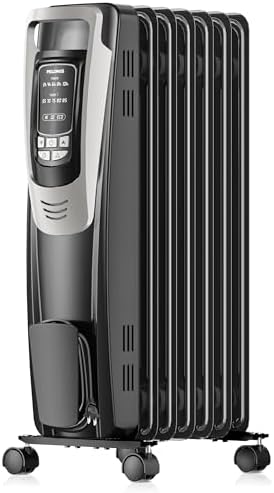
Quick Verdict
The Pelonis oil-filled radiator with remote is worth buying if quiet operation, simple remote control, and steady room heat matter more than instant warm airflow. It is especially well suited to bedrooms, home offices, and other rooms where fan noise is distracting.
Pelonis Oil-Filled Radiator: Key Specs
- Maximum output: 1500W
- Heat settings: current PH-14A lists 1500W, 900W, and 600W modes
- Temperature settings: 65-85°F on the PH-14A
- Controls: onboard panel plus remote
- Timer: up to 10 hours on the current PH-14A
- Operation: fan-free oil-filled radiator
- Safety: overheat protection and tip-over shutoff
- Mobility: caster wheels and carrying handle
Pelonis currently publishes the PH-14A as its Oil Filled Radiator Heater with Remote and Thermostat. The manufacturer lists 1500W/900W/600W modes, five temperature levels, ECO mode, a remote, LED screen, 10-hour timer, and fan-free operation.

How the Heating Feels
An oil-filled radiator heats differently from a ceramic fan heater. It warms its internal oil and metal fins, then releases heat into the room through radiation and natural convection. The result is quieter and gentler, but usually slower to feel than a fan-forced heater.
That makes the Pelonis more attractive for longer heating sessions where you want a stable background temperature rather than a strong stream of hot air.
Remote, Thermostat and ECO Mode
The remote is one of the main advantages over basic mechanical oil-filled radiators. You can change temperature, heat level, and timer settings without walking to the heater. The LED display also makes the selected settings easier to confirm from across the room.
ECO mode adjusts operation around the selected temperature. It can reduce unnecessary full-power runtime, but actual electricity use still depends on heat loss, room size, insulation, and your chosen setpoint.
Noise
Because there is no heating fan, the Pelonis radiator is effectively much quieter than a fan-forced ceramic heater during normal operation. You may still hear normal clicks as controls or thermal components cycle, but there is no continuous blower noise.
Safety Features
- Tip-over safety switch
- Overheat protection
- Flame-retardant materials on the current PH-14A listing
- Stable floor-standing radiator format
The metal radiator body becomes warm during use, so maintain safe clearances and avoid placing clothing, bedding, or other combustible materials on the heater. Always follow the product manual.
How Hot Does a Pelonis Oil-Filled Radiator Surface Get?
Pelonis does not publish one universal surface-temperature figure for every room, setting and operating condition. Treat the metal fins as a hot surface during use, keep the required clearance from combustible materials, and allow the heater to cool before moving or storing it. Light clicks while heating and cooling can also be normal; our guide to oil-filled radiator clicking explains when the sound deserves attention.
Pelonis vs DeLonghi
Pelonis is attractive if you want a digital display, remote, timer, and multiple preset temperature options. DeLonghi models often emphasize simpler mechanical controls and long-standing radiator design. Our Pelonis vs DeLonghi comparison goes deeper into those tradeoffs.
Pros and Cons
Pros
- Very quiet fan-free heating
- Remote control
- Multiple power levels
- ECO mode and timer
- Tip-over and overheat protection
- Wheels make it easier to move between rooms
Cons
- Slower warm-up feel than a ceramic fan heater
- Larger and heavier than compact portable heaters
- Hot radiator surfaces require normal clearance precautions
- Not intended for instant spot heating
Who Should Buy It?
Choose the Pelonis oil-filled radiator if you want quiet, steady supplemental heat with remote convenience. It is a particularly good match for bedrooms, reading rooms, home offices, and other spaces where you expect the heater to run for longer periods.
For more options, compare our best oil-filled radiator heaters and best Pelonis heaters.
Is the Pelonis Oil-Filled Radiator With Remote Worth Buying?
Yes, if you value quiet heat and remote control. It is less appealing if you want immediate fan-forced warmth, but the combination of multiple power levels, thermostat control, timer, ECO mode, and safety shutoffs makes it a practical modern radiator.
Frequently Asked Questions
Does the Pelonis oil-filled radiator have a remote?
Yes. The current PH-14A and several related Pelonis digital radiator models include remote control.
How many watts does it use?
The current PH-14A lists 1500W, 900W, and 600W heating modes.
Is an oil-filled radiator quiet?
Yes. The heater uses no fan for heat distribution, so it avoids continuous blower noise.
Does it have tip-over protection?
Yes. Pelonis lists both tip-over and overheat protection on the current PH-14A.
Is the oil inside replaceable?
Oil-filled radiators use a sealed heat-transfer fluid system and are not intended for routine oil refilling by the user.


