
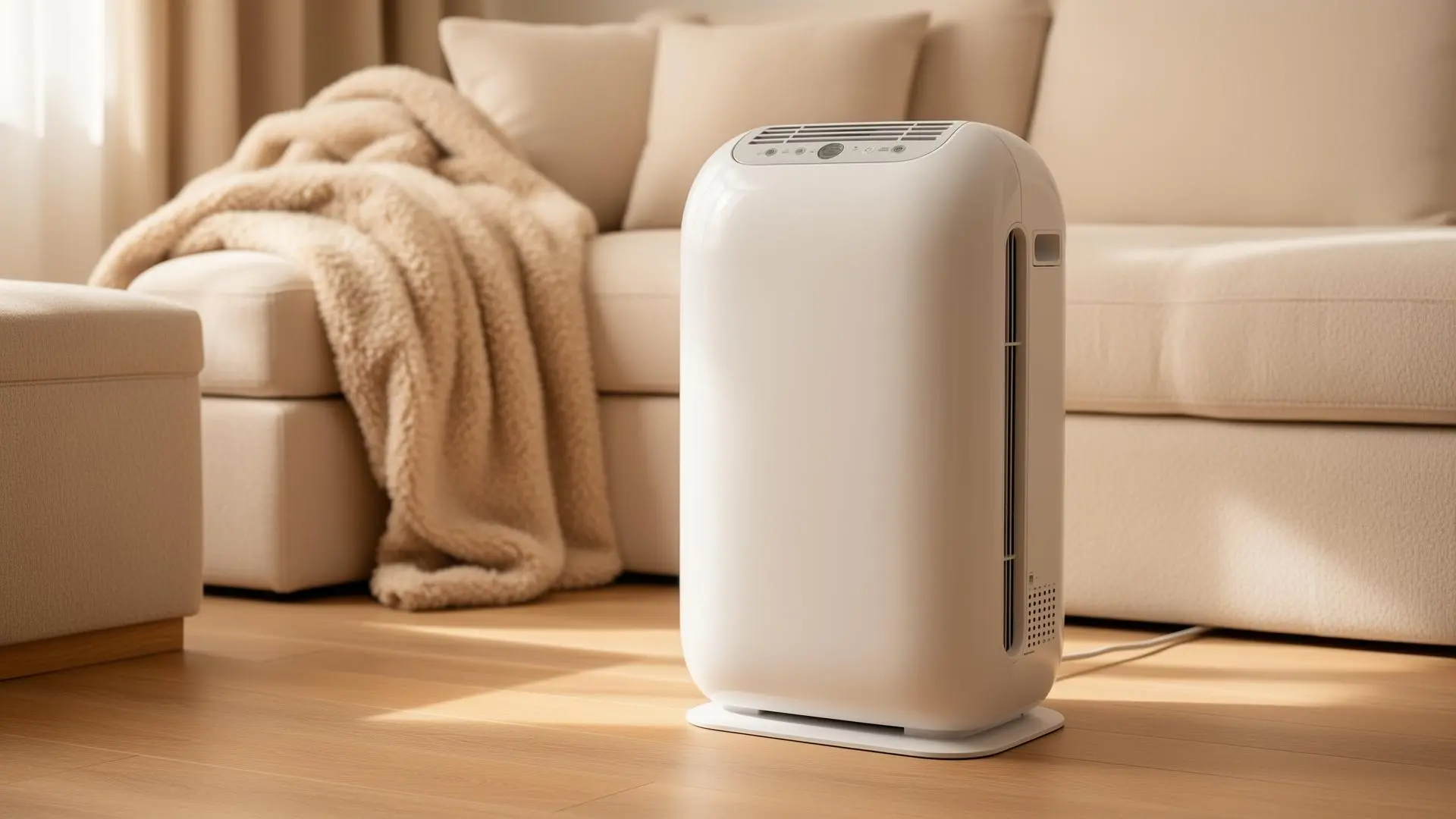


For an oil-filled radiator, the Pelonis vs DeLonghi decision comes down to controls versus simplicity. Pelonis currently offers remote-controlled digital radiators with timers and multiple temperature settings, while DeLonghi’s EW7707CM emphasizes mechanical controls, long-term simplicity and its ComfortTemp mode.
Both brands sell 1500W-class electric radiators designed for quiet supplemental heating. Neither burns fuel, and the internal oil is sealed rather than consumed.
For a model-specific example within Pelonis and DeLonghi alternatives, see our Pelonis PHTPU1501 Ceramic Tower Heater Review for controls, safety features, heating style, and practical fit.
Affiliate disclosure: This post contains affiliate links. We may earn a commission if you buy through them. As an Amazon Associate we earn from qualifying purchases.
Pelonis vs DeLonghi: Quick Picks


Pelonis Oil-Filled Radiator: Better for Remote and Digital Controls
The Pelonis model matched here offers 1500W/900W/600W heating modes, five temperature settings, remote control, an LED display and a 10-hour timer. Its current listing also includes overheat protection and a tip-over safety switch.
De’Longhi EW7707CM: Better for Simple Long-Term Operation
The De’Longhi EW7707CM uses 1500W maximum output, three heat settings, an adjustable thermostat and ComfortTemp. Its official product page also lists thermal shutoff protection, an anti-freeze setting and a permanently sealed oil reservoir that does not need refilling.

Key Differences
- Controls: Pelonis is more convenient if you want a remote, display and timer. DeLonghi is simpler and more mechanical.
- Heat settings: both provide multiple output levels, but the exact wattage steps differ by model.
- Safety: verify the exact model. The Pelonis product matched here lists overheat and tip-over protection; DeLonghi officially lists thermal shutoff on the EW7707CM.
- Best use: either can work well for bedrooms, offices and living spaces where quiet heat matters more than instant fan-forced warmth.
For brand-level options, see our best Pelonis space heaters and best DeLonghi space heaters. We also have individual Pelonis radiator and DeLonghi radiator reviews.
Official Product Context
Pelonis maintains a current oil-filled radiator category with mechanical and remote-controlled models. DeLonghi’s current EW7707CM page confirms 1500W output, three heat settings and thermal shutoff protection.
Which Should You Buy?
Choose Pelonis if you want a remote, digital display and timer. Choose DeLonghi if you prefer fewer electronic controls and a proven mechanical radiator design. For raw heat output, there is little reason to expect a major difference when both are operating near 1500W.
Pelonis vs DeLonghi in Everyday Use
The Pelonis radiator is easier to operate from across the room because the matched model includes a remote, LED display and 10-hour timer. It also offers 600W, 900W and 1500W modes. That is useful when you want lower output during milder weather or do not want to walk over to the heater to change settings.
The DeLonghi EW7707CM is deliberately simpler. It uses mechanical-style controls and ComfortTemp rather than a remote-heavy interface. That can be attractive for a heater you plan to keep for years because there are fewer electronic features to learn or depend on. DeLonghi also specifies an anti-freeze function that can switch the heater on when temperatures fall very low.
Which One Fits Your Room?
- Bedroom: Pelonis is more convenient if you value remote control; both are fanless and suited to quiet spaces.
- Home office: Pelonis offers finer day-to-day control through power modes and timer settings.
- Simple long-term heater: DeLonghi is easier to recommend if you want fewer electronic controls and a straightforward radiator design.
- Energy cost: neither brand has a magic advantage at full 1500W output; thermostat cycling and lower power settings determine actual consumption.
Controls vs Simplicity: Which Matters More?
Pelonis gives you more convenience features for day-to-day adjustment. A remote and digital display are useful in a bedroom or living room because you can lower the setting without walking over to the heater. The timer also makes it easier to limit a heating session. DeLonghi’s simpler control layout is less feature-rich but easier to operate without menus or a remote.
For long-term ownership, both designs have a useful advantage over fan heaters: there is no heating fan motor running continuously. That removes one source of noise and airflow, though thermostats can still click and the metal body can make expansion sounds as it warms and cools.
Choose Pelonis when convenience controls are a priority. Choose DeLonghi when you prefer a simpler radiator and do not care about remote operation. If both are run at 1500W for the same amount of time, electricity cost will be essentially the same.
Frequently Asked QuestionsIs Pelonis or DeLonghi quieter?
Both oil-filled radiators are fanless in normal operation, so both are well suited to quiet rooms.
Do oil-filled radiators need their oil changed?
No. The oil is permanently sealed inside the radiator and is not a consumable fuel.
Which is better for a bedroom?
Pelonis is convenient if you want remote control and a timer. DeLonghi is attractive if you prefer simple controls and long, quiet heating cycles.
For buyers deciding between these two exact radiators, the Pelonis is the feature-rich option and the DeLonghi is the simpler option. Neither has a meaningful maximum-output advantage at 1500W. The choice should therefore be driven by remote control, timer preference, thermostat style, warranty/support expectations and how often you plan to move the heater.


