
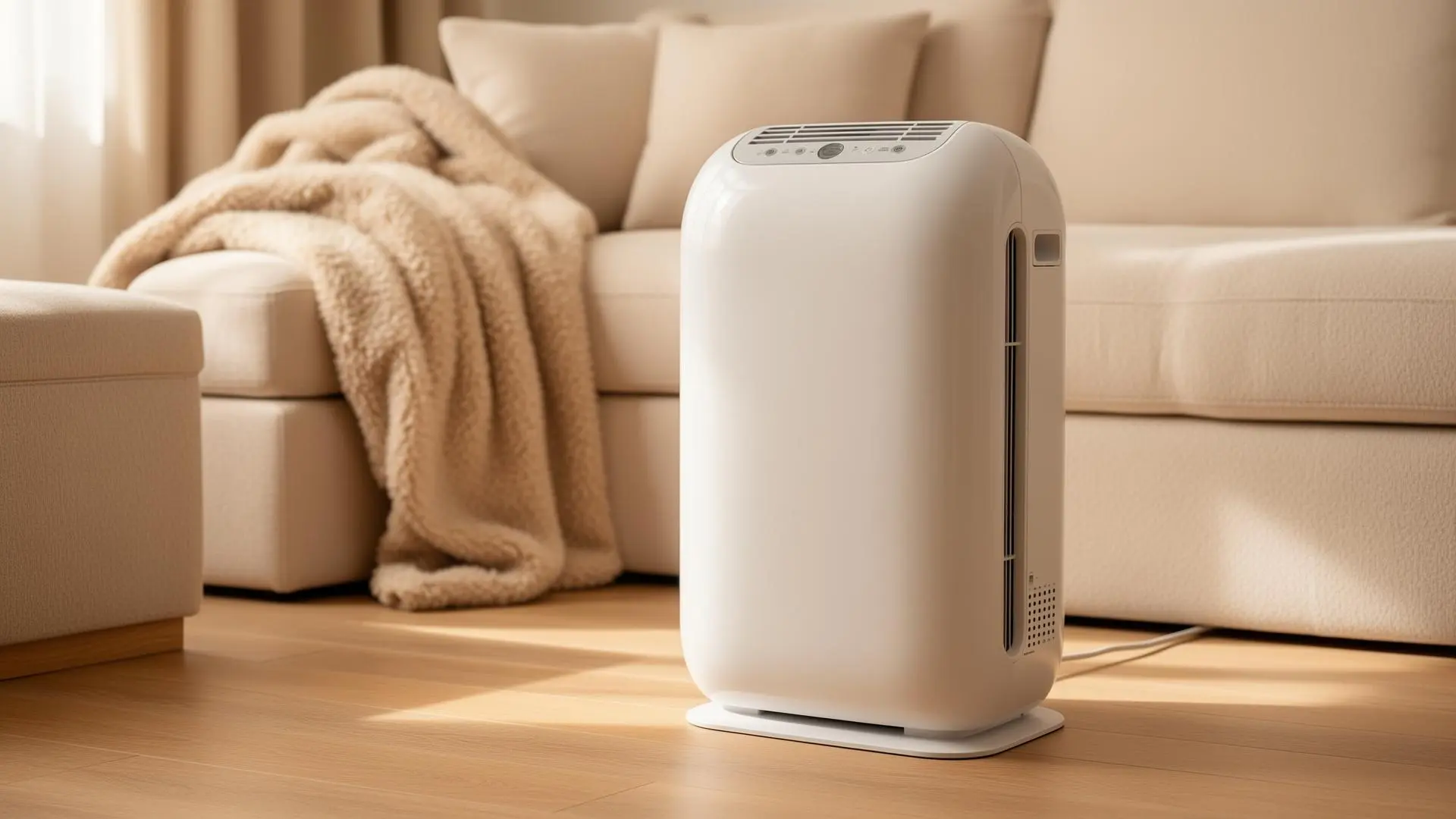


A micathermic heater is a fanless electric panel heater that uses mica around the heating element and warms a room through a combination of natural convection and radiant heat. It is usually slimmer and lighter than an oil-filled radiator, making it useful when quiet operation and a narrow footprint matter. For closely related guidance, see our Micathermic Heater Pros and Cons: Is Mica Heat Right for Your Room?.
If you are comparing mica heat with ceramic and oil-filled heaters, the main advantage is comfort and heat distribution, not a special reduction in electricity use. A 1,500W micathermic heater uses roughly the same maximum electrical power as another 1,500W resistance heater while both heating elements are on.
Paid link. As an Amazon Associate, we earn from qualifying purchases at no extra cost to you.
TL;DR
- Micathermic heaters combine radiant heat with natural convection and typically operate without a fan.
- They suit bedrooms, offices and occupied rooms where low noise and a slim design matter.
- They are not inherently cheaper to run than other electric resistance heaters at the same wattage.
- Keep the normal three-foot clearance, use a wall outlet and turn portable heaters off while sleeping.
Micathermic Heater at a Glance
| Factor | What to Expect |
|---|---|
| Heat style | Radiant heat plus natural convection |
| Fan | Usually fanless |
| Noise | Very quiet apart from normal thermostat or expansion sounds |
| Common US full-power draw | Often up to 1,500W; verify the exact model |
| Best fit | Bedrooms, offices and medium occupied rooms |
| Main trade-off | Less instant airflow than a ceramic fan heater |
If you already know mica heat fits your room and want product options, see our best micathermic space heaters.

What Is a Micathermic Heater?
A micathermic heater uses mica-covered heating elements to release heat through natural convection and radiant transfer. The exact balance varies by design, so broad claims such as a fixed “80% convection / 20% radiation” split should not be treated as universal specifications.

How Does a Micathermic Heater Work?
Mica is an electrically insulating mineral that tolerates high temperatures. In a micathermic heater, mica surrounds or supports the heating element and helps spread heat across a relatively large panel surface.
As the panel warms, it transfers some heat directly to nearby people and objects by radiation while also warming surrounding air. The warmer air rises naturally, drawing cooler room air toward the heater and creating convection without a fan.
Micathermic Heater Pros
- Very quiet operation: no continuous blower noise on typical fanless models.
- Slim design: many mica panel heaters take less floor depth than an oil-filled radiator.
- Broad heat: the large panel surface can feel less directional than a compact ceramic heater.
- Faster panel response than oil-filled designs: there is no large oil reservoir to heat first, although exact warm-up time varies by model.
Micathermic Heater Cons
- Some grilles and panels become hot during operation.
- They do not provide the same immediate forced-air blast as a ceramic fan heater.
- Large, poorly insulated or open-plan rooms can exceed what one portable 1,500W heater can comfortably handle.
- Product availability is narrower than the ceramic-heater market.
Are Micathermic Heaters Energy Efficient?
Micathermic heaters are electric resistance heaters. At the point of use, nearly all electrical input becomes heat, but the same is broadly true for ceramic, infrared and oil-filled resistance heaters. That means “micathermic” by itself does not guarantee a lower electric bill.
A 1,500W mica heater uses 1.5 kWh for each hour its element stays continuously on at full power. Practical cost depends on room heat loss, thermostat cycling and total runtime. Zone heating can save money only when it lets you reduce heating elsewhere in the home. For a deeper breakdown of wattage, thermostat cycling and running cost, see our guide to whether micathermic heaters are energy efficient.
Micathermic Heater Safety
Treat a micathermic heater like any other portable electric heater. Keep it on a stable surface, keep combustible materials away, do not cover it and use the exact clearance specified by the manufacturer. For a focused look at risks, clearances and built-in protections, read are micathermic heaters safe?
The U.S. Consumer Product Safety Commission advises keeping portable heaters at least three feet from bedding, curtains, furniture and other combustibles, plugging electric heaters directly into a wall outlet, and turning them off while sleeping. See the CPSC space-heater safety guidance.
Micathermic vs Oil-Filled vs Ceramic Heaters
- Micathermic: best when you want fanless, relatively fast panel heat in a slim design.
- Oil-filled: best when you prioritize silent, gradual heat and do not mind a heavier radiator with slower warm-up.
- Ceramic fan heater: best when you want fast warm airflow and compact size, but fan noise is acceptable.
Who Should Buy a Micathermic Heater?
Micathermic heaters make the most sense for people who spend long periods in a bedroom, office or living space and dislike fan noise. They also work well when a thin panel heater fits the room better than a deep oil radiator or tower heater.
A fanless design does not actively blow room air across a heating element, but it should not be marketed as a treatment for allergies, asthma or dry indoor air.
What to Look for When Buying a Micathermic Heater
- Thermostat that cycles predictably at the selected comfort level.
- Tip-over and overheat protection appropriate to the exact design.
- Clear manufacturer guidance for wall clearance and placement.
- Heat settings that match your circuit and room needs.
- A carry handle or wheels if you plan to move the heater between rooms.
Frequently Asked Questions
Do micathermic heaters use less electricity?
Not automatically. Compare wattage and runtime. A 1,500W micathermic heater uses the same maximum electrical power as another 1,500W resistance heater while both elements are on.
Are micathermic heaters silent?
Typical fanless micathermic heaters have no continuous blower noise, although you may still hear thermostat clicks or light expansion sounds.
Can I leave a micathermic heater on overnight?
Portable electric heaters should be turned off while sleeping. Follow the exact model manual and normal clearance and outlet safety guidance.
Micathermic vs infrared: which is better?
Infrared heaters emphasize direct radiant warmth, while micathermic heaters combine radiant heat with natural convection. Choose based on whether you want more targeted warmth or broader fanless room heating.
Related: See our micathermic vs ceramic heater comparison for a more focused comparison.
To compare this technology with another radiant option, read our micathermic vs infrared heater comparison.


