
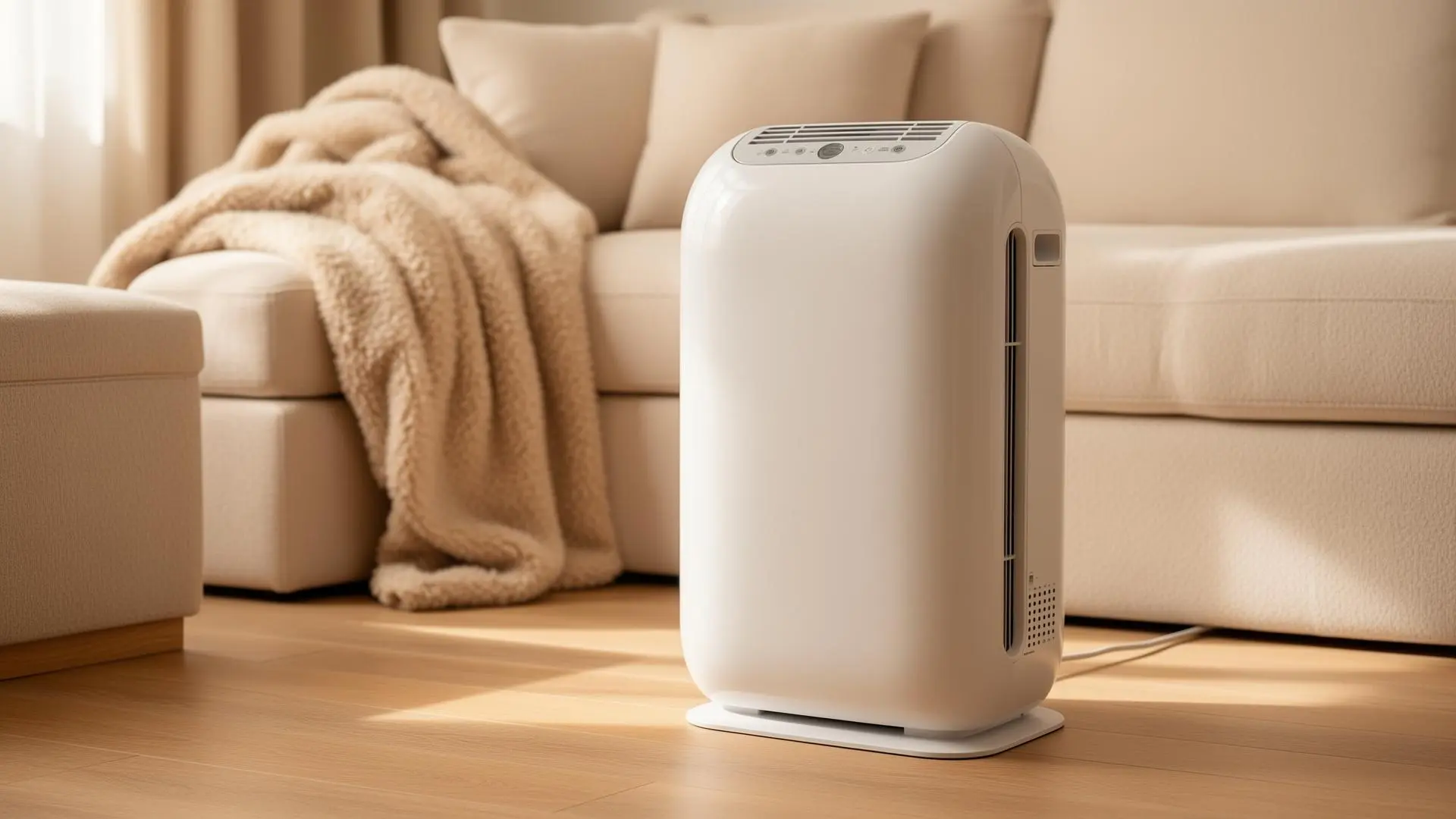


Micathermic heaters are often described as a special alternative to convection heaters, but they actually use a mix of heat-transfer methods. A micathermic panel produces radiant warmth from mica-covered elements while also warming surrounding air through natural convection.
TL;DR
- Micathermic heaters combine radiant and convective heat, while a conventional convection heater primarily warms room air.
- Micathermic models are usually quiet and slim and can feel warm faster because radiant heat reaches nearby people and surfaces directly.
- At the same wattage, neither technology has a built-in electricity-cost advantage; comfort, thermostat cycling and runtime matter more.
Paid link. As an Amazon Associate, we earn from qualifying purchases at no extra cost to you.

How micathermic heating works
Electrical elements are covered with mica, a mineral that tolerates high temperatures and helps spread heat across a panel. The hot panel radiates heat outward and also warms air moving past it.
How convection heaters work
Convection heaters focus on warming the air. Natural-convection models let warm air rise without a fan, while fan-forced convection heaters move the air mechanically for faster distribution.
Warm-up speed
Micathermic heat can feel fast because radiant energy reaches people and surfaces before the entire room air warms. A fan-forced convection heater can also feel fast because it pushes hot air immediately.

Noise
Fanless micathermic heaters are nearly silent during normal operation except for occasional expansion clicks. Natural-convection heaters are similarly quiet. Fan heaters make more noticeable airflow noise.
Room comfort
Micathermic heaters produce a softer mix of direct and ambient warmth. Convection heaters are often better when you want to raise the overall air temperature evenly across a closed room.
Energy use
A 1500W micathermic heater and 1500W convection heater can each draw 1500W at full output. Marketing claims about efficiency should be separated from the actual electrical input. Thermostat quality and how long the heater runs determine consumption.
Safety
Micathermic panels can become hot, so children, pets and curtains still need clearance. Convection heaters also need unobstructed air inlets and outlets. Look for tip-over and overheat protection on portable models.
Which is better for bedrooms?
A quiet micathermic or natural-convection heater can be a good fit when fan noise bothers you. A digital thermostat is especially useful for maintaining stable overnight comfort.
Which should you choose?
Choose micathermic for quiet, slim heat with some direct radiant feel. Choose a fan convection heater for faster room-air movement or a natural-convection heater for simple silent background heat.
Related comparisons
See our micathermic vs ceramic and micathermic vs oil-filled radiator guides for adjacent choices.
FAQs
Is a micathermic heater a convection heater?
Partly. Micathermic heaters use both radiant heat and natural convection.
Which is quieter?
A fanless micathermic heater and a natural-convection heater are both very quiet. Fan-forced convection heaters are noisier.
Does a micathermic heater use less electricity?
Not automatically. A heater’s rated wattage and runtime determine electricity use.
Which heats a room faster?
Micathermic heaters can feel warm quickly through radiant heat, while fan-forced convection heaters can circulate warm air faster.


