
A furnace failure in winter can turn from an inconvenience into a frozen-pipe and safety problem quickly, especially during very cold weather. The right response is to protect people first, prevent the house from getting dangerously cold, and use portable heat only as a temporary supplement while the furnace is repaired.
TL;DR
- Check simple furnace issues such as thermostat settings, power and breaker status, then call a qualified HVAC professional if the system does not restart normally.
- Use electric space heaters only in occupied rooms, plugged directly into wall outlets with at least three feet of clearance from combustibles.
- Protect exposed plumbing, keep vulnerable cabinets open, and move to a warmer location if indoor temperatures become unsafe or the outage will be prolonged.
This post contains affiliate links. We may earn a commission if you buy through them. As an Amazon Associate we earn from qualifying purchases.

First: check the simple furnace problems
- Make sure the thermostat is set to heat and the target temperature is above the current room temperature.
- Replace thermostat batteries if your model uses them.
- Check whether the furnace switch has been turned off accidentally.
- Check the electrical panel for a tripped breaker. Reset only if you understand the circuit and it does not trip again.
- Check whether a dirty filter is severely restricting airflow if the system is designed for homeowner filter replacement.
If the furnace repeatedly trips a breaker, smells like burning, makes unusual mechanical noises or fails to ignite normally, stop troubleshooting and contact a qualified HVAC technician. Do not bypass safety switches or attempt gas-system repairs yourself.
How to stay warm while waiting for repair
Concentrate people in one or two rooms rather than trying to heat the whole house with portable appliances. Close doors to unused rooms, close curtains at night, stop obvious drafts and wear warm layers. If the sun is shining, open curtains on sunny windows during the day and close them again when temperatures drop.
Our one-room heating guide explains how to create a temporary occupied heating zone without pretending a portable heater can replace a whole-home furnace.
Using a space heater during a furnace breakdown
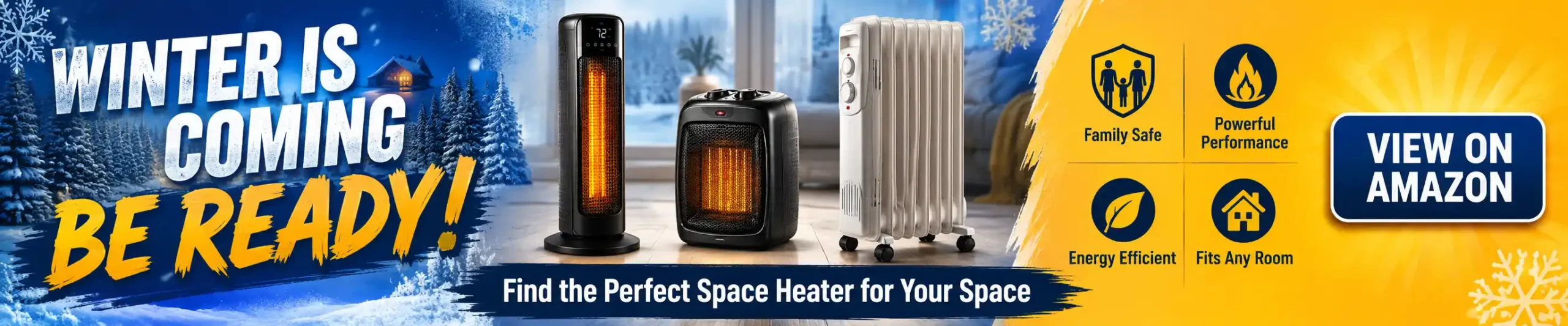
An electric space heater can make an occupied bedroom or living room more comfortable while the furnace is down. Use one heater per safe electrical setup rather than scattering several high-wattage heaters across unknown circuits.
CPSC recommends keeping portable heaters at least three feet from furniture, bedding, curtains and other combustibles. Plug electric heaters directly into a wall outlet, not an extension cord or power strip, and turn portable heaters off while sleeping.
Protect pipes before the house gets too cold
Pipes in garages, basements, crawl spaces, attics, exterior walls and under cabinets are especially vulnerable during severe cold. The American Red Cross recommends opening kitchen and bathroom cabinet doors so warmer air can circulate around plumbing, keeping garage doors closed where water lines run through the garage, and allowing a small trickle from vulnerable faucets during very cold weather.
If your furnace outage is likely to last for hours during freezing weather, use our guide to preventing frozen pipes without central heat for a more complete checklist.
Do not use these as indoor furnace substitutes
- Outdoor grills or charcoal burners.
- Unvented outdoor generators placed in a garage, basement, porch or near doors/windows.
- Gas ovens or stovetops as room heaters.
- Any fuel-burning heater that is not specifically approved for indoor use and operated exactly as directed.
Carbon monoxide can build up without warning. CPSC winter guidance emphasizes that generators must be used outdoors away from the home and that fuel-burning heating equipment needs appropriate ventilation and professional maintenance.
When should you leave the house?
Relocate to a safe heated location if indoor temperatures are falling to an unsafe level, vulnerable household members cannot stay warm, the repair delay will be prolonged, or you cannot maintain safe heating without overloading circuits. Infants, older adults and people with certain health conditions can be more vulnerable to cold.
Prepare before the next furnace failure
- Schedule regular furnace maintenance.
- Keep clean replacement filters available if your system uses homeowner-serviceable filters.
- Know where the furnace switch and breaker are located.
- Keep one or two modern electric heaters with tip-over and overheat protection for temporary occupied-room heating.
- Install and maintain smoke alarms and carbon-monoxide alarms as appropriate for your home.
- Insulate vulnerable plumbing before severe winter weather arrives.
Bottom line
If your furnace stops working in winter, check basic controls, call for repair early, concentrate warmth in occupied rooms and protect plumbing before temperatures fall too far. Portable electric heaters are useful temporary tools, but they should be operated under strict clearance and electrical-safety rules and should not be treated as an unattended whole-home replacement.
FAQs
Can I use space heaters if my furnace stops working?
Yes, electric space heaters can provide temporary occupied-room heat when used according to the manufacturer instructions and CPSC safety guidance. Keep clearances, plug directly into wall outlets and turn them off while sleeping.
How do I stop pipes freezing if the furnace is broken?
Keep vulnerable areas as warm as safely possible, open sink-cabinet doors, close garage doors where water lines are present, insulate exposed pipes and consider allowing a vulnerable faucet to drip during severe cold.
Can I heat the house with the oven?
No. Do not use a gas oven or stovetop as a space heater. It can create fire, burn and carbon-monoxide hazards.
Should I reset the furnace breaker?
A single reset may be reasonable if the breaker was clearly tripped and you understand the circuit, but repeated tripping indicates a fault that needs professional diagnosis. Do not keep resetting it.
How cold can a house get before pipes freeze?
There is no single indoor temperature that guarantees freezing because pipe location, insulation and outdoor conditions differ. Red Cross guidance recommends leaving home heat on and setting it no lower than 55°F when away during cold weather.
When should I call an HVAC technician?
Call when basic thermostat/power checks do not restore heat, or immediately if you notice repeated breaker trips, burning smells, gas odors, abnormal ignition behavior or unusual mechanical noise.


