

If a room takes forever to feel warm in winter, the problem is usually a mix of heat loss and slow heat distribution. A stronger heater can help, but you often get faster results by stopping drafts, closing off unused space, using the right heater type and moving warm air through the room more effectively.
TL;DR
- For fast warm-up, use a ceramic fan heater or another heater that produces immediate warm airflow.
- Close doors, stop obvious drafts and keep supply/return vents clear so heat stays in the room.
- If the room repeatedly cools down within minutes, fix insulation or air leakage instead of relying on continuous high-power heating.
This post contains affiliate links. We may earn a commission if you buy through them. As an Amazon Associate we earn from qualifying purchases.
1. Use a heater that delivers heat quickly
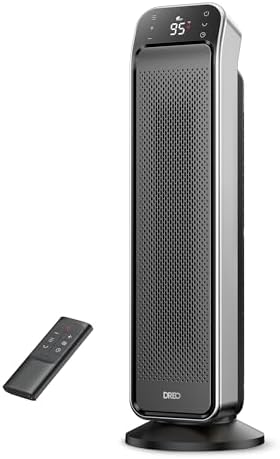
Ceramic fan heaters are usually the fastest way to feel warm because they blow heated air into the room almost immediately. A tall oscillating model can spread that warmth farther than a tiny desktop heater. Oil-filled radiators are excellent for steady quiet heat, but they are not the fastest option when you enter a cold room and want comfort quickly.
2. Stop obvious drafts first
Warm air escaping around windows and doors can make a heater seem weak. Check weatherstripping, door sweeps and obvious gaps. ENERGY STAR identifies drafty rooms and uneven temperatures as signs that air sealing or insulation may need attention.
If drafts are a recurring problem, our best heaters for drafty rooms guide explains which heater styles work best when some heat loss remains.

3. Close off unused space
A closed bedroom can warm faster than an open living area connected to a hallway or stairwell. If it is safe and practical, close doors to reduce the volume of air the heater must influence. Do not block required ventilation or HVAC return pathways.
4. Help warm air circulate
Heat can collect near the ceiling while the occupied part of the room still feels cool. A low fan setting, ceiling fan in winter mode, or a heater with oscillation can help mix the air. The goal is gentle circulation, not creating a cold draft.
5. Use the thermostat strategically
Running a heater at maximum output may warm the room faster initially, but once comfort is reached a thermostat can cycle the heater and reduce unnecessary runtime. Set a realistic target instead of trying to force a cold room to an unusually high temperature.
6. Keep furniture away from heat paths
A sofa, desk or curtain directly in front of a heater can trap heat and reduce circulation. Keep the heater’s intake and outlet clear and maintain the clearances required by the manufacturer. CPSC recommends at least three feet between portable heaters and combustible materials.
7. Check central-heating airflow
If the room is connected to central heating, make sure supply registers are open and return-air paths are not blocked. A room that is cold only when the door is closed may have an airflow or pressure-balance issue rather than a space-heater problem.
When a room still will not warm up
If a 1500W heater runs continuously and the room still stays very cold, heat loss may be greater than the heater can replace. Large windows, exterior walls, high ceilings and poor insulation can all increase heating demand. At that point, improving the building envelope or using a permanently sized heating system is more effective than buying another similar plug-in heater.
For very cold conditions, see our best space heaters for extremely cold rooms. If you mainly heat one occupied space, our one-room heating guide explains a safer zone-heating approach.
Safety while trying to heat faster
Do not move a heater closer to bedding, curtains or furniture just to feel more heat. Do not use extension cords or power strips with electric portable heaters. CPSC advises plugging them directly into a wall outlet and turning them off while sleeping.
Bottom line
The fastest way to warm a room in winter is to combine quick-delivery heat with lower heat loss. Use a ceramic or oscillating heater for immediate warmth, close off unnecessary space, stop drafts and improve circulation. If the room cannot hold heat, address insulation or central-heating problems rather than running portable heaters harder and longer.
FAQs
What type of heater warms a room fastest?
Ceramic fan heaters usually create the fastest noticeable warm airflow. Oscillation can help spread heat beyond one spot.
Should I close the door to warm a room faster?
Closing the door can reduce the volume of air being heated when the room is suitable for it. Do not block required ventilation or HVAC return airflow.
Does a ceiling fan help heat a room?
A ceiling fan set appropriately for winter can help mix warm air that gathers near the ceiling back into the occupied part of the room.
Why does my room cool down immediately after the heater turns off?
Rapid cooling often indicates high heat loss from drafts, poor insulation, large windows or exterior exposure.
Is an oil-filled radiator good for fast warm-up?
Oil-filled radiators are better for gradual, steady heating than instant warmth. A ceramic fan heater generally feels faster.
Can I use two heaters to warm the room faster?
Multiple high-wattage heaters can overload household circuits if they share a circuit. A properly sized permanent heating solution is safer for spaces that consistently need more capacity.


